

Ugly Chews Blog
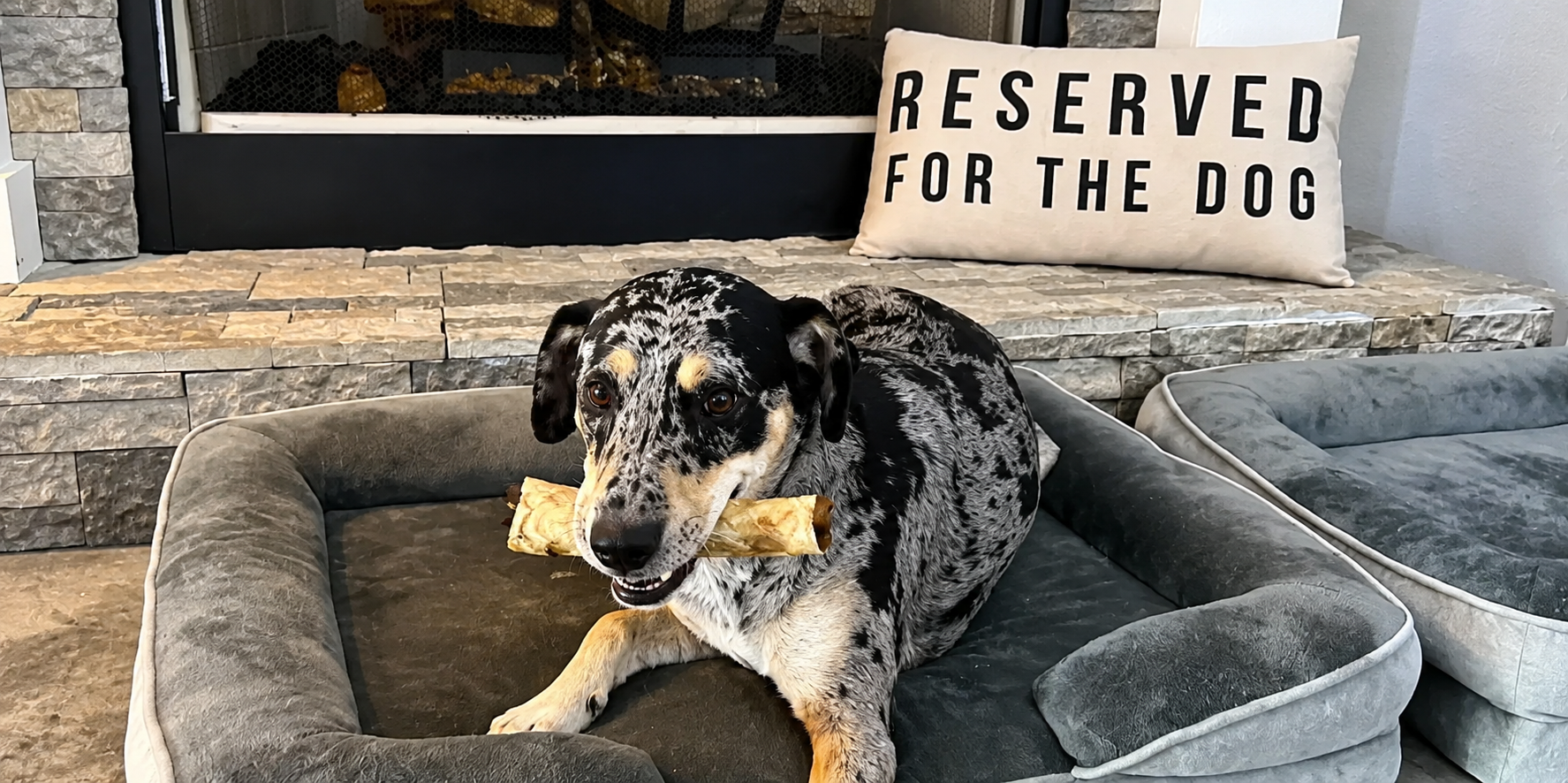

Is Rawhide Bad for Dogs? The Shocking Truth & Safe Alternatives
Every dog parent wants to keep their furred friend happy, calm, and occupied. Chewing is an instinct that provides massive stress relief. However, many owners unknowingly risk their pet's health with traditional treats. In this article, we will unpack the core health risks of commercial treats and explore if is rawhide bad for dogs. You will discover what makes these chews dangerous and how to select safer, premium choices. Understanding Rawhide: What Is It Made Of? To get a sense of what the experts are worried about, let’s look at how these products are made. Traditional rawhide is not a simple dehydrated meat treat. Instead, it is a byproduct of the global leather industry. The production process involves taking the inner split layer of animal skins, mostly from cattle. In factory processing, they are subjected to heavy doses of chemicals to avoid decay during transport. The hides are treated with powerful brines made up of chemicals. They are then cleaned and whitened using hydrogen peroxide. After this, artificial glue, artificial colors, and artificial flavors are added to make attractive bones or sticks. This heavy industrial manipulation strips away any actual nutritional value, leaving behind a highly synthetic material. Why Is Rawhide Bad for Dogs? When pet owners ask why is rawhide bad for dogs, veterinarians usually point to three critical health threats that can result in emergency room visits. 1. Serious choking hazards and digestive tract obstacles Traditional rawhide is very tough when dry but softens as a dog chews. Aggressive chewers will rip off big, rubbery chunks and swallow them whole. The pieces swell considerably within the digestive tract. It is difficult to digest and can lead to possible life-threatening blockages in the stomach or intestines. These blockages are not removable by themselves but need emergency surgery to be done in order to save the life of the dog. 2. Toxic Chemical Contamination and Residues The trace residual chemicals from the manufacturing process pose chronic health risks. Formaldehyde, arsenic compounds, and toxic glues are often used by foreign factories to shape products. Eating these hidden residues on a regular basis can irritate your dog’s stomach lining and cause chemical sensitivities, as well as allow dangerous toxins to enter the internal systems. 3. Acute digestive irritation and gastrointestinal distress Dogs' digestive systems are extremely fragile and prone to damage from anything. Dogs' stomach acids cannot break down the harmful chemicals and artificial coloring found in factory-made leather chews. The undigested debris becomes trapped in the digestive tract, causing bloating, diarrhea, vomiting, and abdominal pain. Eventually, this painful obstruction will cause loss of appetite in your dog. Is Beef Hide Bad for Dogs Too? Many consumers feel confused when they see labels shifting from "rawhide" to "beef hide" or "cowhide". Is it common to wonder, is beef hide bad for dogs just like the standard options? The reality comes down to sourcing and transparency. Technically, any skin from a cow can be broadly classified under the hide category. However, mass-produced beef hide bones sold in major retail chains undergo the same chemical bleaching, splitting, and artificial coloring steps as traditional rawhide. If it is uniformly pure white and has no smell, it has probably been treated with industrial chemicals. On the flipside, a premium, unbleached, single-ingredient beef hide chew is much easier on your dog’s stomach to digest gradually while maintaining its natural durability. Feature Traditional Industrial Rawhide Premium Whole Beef Hide Sourcing Leather industry byproduct Fresh from local ranches/butchers Processing Bleached, split, glued Washed with water, sun-dried Digestibility Highly indigestible; expands Softens naturally when chewed Chemical Additives Formaldehyde, bleach, dyes 100% additive and chemical-free Why Ugly Chews Are Chewer-Safe and Vet-Approved Thankfully, you do not have to give up on the dental and mental benefits of a long-lasting chew. The team at Ugly Chews completely rejects the shortcuts of factory processing. Instead of utilizing thin, split scraps from leather factories, they source whole, unbleached hides directly from local American ranches. The hides are only cleaned with water and then air-dried under the sun, resulting in an exceptionally durable product. No parts of the hide are cut away, meaning the chew is going to get softer while your dog chews on it, without any danger of getting splinters or sharp edges. They even keep the natural hair on many of their options, which acts as a fantastic source of dietary fiber to sweep clean the digestive tract. Safe Feeding Practices Every Dog Owner Should Follow No matter how high the quality of your dog's treat, responsible management is necessary to avoid accidents. Continuous Supervision: Always watch your pet carefully during a chew session. Size Matching: Make sure that the size of the product is appropriate for your particular breed so that it will be impossible to swallow. On-Time Removal: Take the chew away when it gets too small and can be swallowed. Access to Fresh Water: Always have a fresh water bowl close to help with hydration and swallowing. Conclusion Understanding why is rawhide bad for dogs helps you shield your pet from potentially harmful chemicals or even blockages within the body. Your pet should enjoy a natural, healthy treat in accordance with their instinctual nature. If you want clean-ingredient chews for your pup, then consider getting some from Ugly Chews, which use unbleached, 1-ingredient, straight-from-the-source products. In case you want more customized information on this matter, feel free to provide me with information on the breed, age of your dog, or their type of chewing. FAQs: Is rawhide bones bad for dogs if they chew slowly? Yes, even a slow chewer is at risk of being harmed by chemicals in the bones or getting a bone blockage if the small parts are ingested. How bad is rawhide for dogs compared to bully sticks? Certainly, rawhide is much more dangerous since it is processed with industrial chemicals and is not digestible, while bully sticks are made from 100 percent digestible muscle meat. Why rawhide is bad for dogs but okay for some wild animals? While dogs get processed and bleached leather products, wild animals eat natural and untreated hides. What are the symptoms of a rawhide blockage? Look out for persistent vomiting, constant gagging, abdominal pain or swelling, lethargy, and loss of appetite. Can puppies safely enjoy natural unbleached hides? Yes, younger dogs can enjoy softer, thinner varieties of natural unbleached hides, provided they are always carefully supervised during the session.
Learn more
Why Premium Beefhide Bones for Dogs Are Great for Dental Health?
Today, plaque and dental buildup are extremely prevalent issues that cause significant discomfort and can have long-term health effects in dogs. There are numerous solutions available through modern veterinary medicine, but chewing is still a great complementary method. Introducing beefhide bones for dogs into your pet's regular oral hygiene routine can provide a satisfying chewing activity. Chewers provide a special texture and friction in the extended chewing that may help to reduce buildup on the teeth's surface. It is important to note, however, that these chews are not a replacement for toothbrushing, nor can they ensure perfect dental health without being paired with regular teeth brushing. Rather, they should be considered a fun component of a more extensive home care program. Key Takeaways: Mechanical Cleaning: During a sustained chewing process, friction will remove surface plaque and debris from a day's activities. Not a Brushing Replacement: Chews are a great supplement to oral health care, but are not a substitute for brushing or veterinary cleanings. Premium Quality Matters: Whole hide construction provides excellent structural integrity and safety, where heavily processed alternatives fail. Safety requires supervision: Make sure your dog is supervised while chewing and select a size appropriate for its weight and bite style. What Are Beefhide Bones for Dogs? Understanding exactly what beefhide bones for dogs are is the first step toward making an informed choice for your pet. Despite their traditional name, these products are not actual skeletal bones. Instead, they are high-protein chews derived from the natural hide of cattle. The marketplace contains vast differences in how these products are made. Standard commercial options are often highly split, treated with heavy chemicals, and compressed into thin sheets. On the other hand, premium whole-hide options retain the full thickness and raw structural integrity of the material, making them significantly more durable. At Ugly Chews, this high standard is evident in Hair-On Hide Rolls, which feature 100% whole beef hide hand-cut and sun-dried. Their use of the natural hair and rolling it inwards gives them a rustic texture, without the use of additives, which makes them more distinguishable from mass-manufactured chemically altered rawhides. How Beefhide Chewing May Support Dental Health When used correctly, the physical act of chewing a premium beefhide chew offers several distinct advantages for a dog's mouth: Mechanical Action: The constant rubbing of the chew against the tooth surface can help to remove fresh plaque and debris from the surface as your dog works through it. Pliancy and yet firmness: It offers needed physical stimulation right around the gum, providing overall blood flow and oral health. Promotes Normal Chewing: Dogs have an innate, instinctive need to chew. Channeling this urge into a long-lasting natural chew satisfies their psychological needs while actively supporting structural oral hygiene. Longer Chewing Sessions: Unlike soft treats or kibble that disappear in seconds, a robust whole-hide roll provides sustained mechanical cleaning over a prolonged period. Independent peer-reviewed research hosted on PubMed indicates that certain soft rawhide products can reduce calculus formation in dogs. While we must avoid generalizing these exact scientific findings to every single beefhide product on the market, it underlines how the right texture may help, support, and can contribute to better canine oral health. What Makes Premium Beefhide Chews Different? Not every dog chew is made equal, and mass-market processing can add unwanted substances to your dog's menu. If you are seeking a top-quality product, you must consider the following features: Whole-hide construction to ensure structural integrity. Appropriate thickness that can withstand an intense bite. Minimal or no unnecessary additives, avoiding chemical artificial colorings or flavorings. Clear sourcing and manufacturing information to verify origin safety. Suitable sizing options tailored to various breeds. Transparent safety instructions printed clearly on the packaging. Ugly Chews stands out for its transparent production practices. Their Hair-On Hide Rolls use full-thickness, USA-made cowhide crafted without bleach, lime, salt brine, or toxic additives. How to Choose the Right Beefhide Bone for Your Dog To get the most dental benefit and be totally safe for your dog, you need to go for a product that is specifically designed to fit your dog's physical characteristics. Keep the following key points in mind: Dog's body size Chewing strength (e.g., gentle gnawer vs. power chewer) Chewing speed Propensity to tear and swallow large pieces For owners looking at Ugly Chews specifically, the brand provides clear, helpful dimensions to simplify selection: Small: 4–6 inches long, ideally for dogs weighing 0–15 lb. Medium: 8–10 inches long, ideally for dogs weighing 15–25 lb. Large: 12 inches long (recommended for dogs 25 lb+). Pro Tip: If you have a power chewer, size up as per the product guidelines, which state that an owner should consider their dog's type of bite as well as raw weight. Beefhide Bones for Dogs: Safety Tips Every Owner Should Know Prioritizing your dog's safety is crucial when introducing any new chew into their lifestyle. Implement these vital habits: Always supervise chewing: Never leave your dog alone with a chew roll. Use the proper size: Always select a chew that is the proper size for your dog so they cannot swallow it or fit it in their mouth to chew through. Remove loose fragments: Instantly take away small, shredded, or ripped-off pieces that break away during the session. Discard the stub: When the chew is too small to be swallowed, immediately stop using it and get rid of it. Be aware of oral health issues: If your pet has any existing dental disease, loose teeth, or if any swallowing is unusual, please contact a professional veterinarian before giving them a chew. Can Beefhide Bones Replace Brushing Your Dog’s Teeth? The quick answer is a definite no. Although premium beefhide dog chews can make great physical aids to your pet’s dental care regimen, they must never be used as substitutes for brushing, professional veterinary dental cleaning, or even dental examination. These chews can be considered like dental floss that controls your pet's plaque formation on days when he or she is not being professionally checked. This way of thinking helps to keep your pet healthy while keeping your expectations realistic. Conclusion Premium beefhide chews naturally support your dog's dental health by using physical friction to scrub away daily plaque buildup. To keep your pet safe, always pair these chews with standard manual toothbrushing and active supervision. Looking for beefhide bones for dogs? Explore Ugly Chews Hair-On Hide Rolls and choose a size based on your dog's weight and chewing style. FAQs: Do beefhide bones clean dogs' teeth? Yes, the mechanical friction generated as your dog gnaws on the tough material actively helps scrape away daily surface plaque and loose debris. How often can dogs chew beefhide? Dogs should chew them according to specific product instructions and individual tolerance, typically across short, supervised 15–20 minute sessions a few times a week. Are beefhide bones safe for puppies? Suitability depends heavily on the puppy's age, size, and chewing habits, making it best to seek direct veterinary guidance before introducing them. What size beefhide chew should I give my dog? Choose a size larger than your dog's jaw capacity based on their weight and bite power (e.g., 4–6" for small dogs, 8–10" for mediums, and 12" for larger breeds) to prevent choking hazards.
Learn more
Are Natural Dog Chews Better Than Synthetic Ones?
When choosing a chew for your dog, it is natural to wonder whether natural dog chews are better than synthetic alternatives. Dogs have an instinctive need to chew, and the right chew can provide mental stimulation while supporting healthy chewing habits. However, not every chew is suitable for every dog. In general, natural dog chews can be a great choice because many are made from animal-based ingredients with fewer manufactured materials. They may also provide an enjoyable texture, flavor, and chewing experience. Synthetic chews, on the other hand, are often designed for durability and can be useful for dogs that quickly destroy softer treats. The best option ultimately depends on your dog's size, age, chewing strength, and individual needs. What Are Natural Dog Chews? Natural dog chews are made from naturally sourced ingredients rather than primarily manufactured plastics or synthetic materials. Depending on the product, they may include animal-based ingredients such as beef hide, tendons, ears, or other chewable parts. One of the biggest advantages is that natural chews can provide dogs with an engaging chewing experience. The texture and natural aroma can encourage dogs to spend more time working on the chew. For pet owners looking for a simple ingredient profile, natural chews can also make it easier to understand what their dog is consuming. However, "natural" does not automatically mean risk-free. Some extremely hard natural products, including certain bones, antlers, and hooves, may be hard enough to damage teeth. Are Natural Dog Chews Easier to Digest? Digestibility depends on the specific chew, its ingredients, how it is processed, and how much the dog consumes. Some natural chews can be easier for dogs to break down than certain synthetic materials, particularly when small pieces are swallowed. However, dogs should never be encouraged to swallow large chunks of any chew. A piece that is too large can become a choking hazard or potentially cause a digestive obstruction. This is why choosing the appropriate size is important. A chew should be large enough that your dog cannot easily swallow it whole. Once a natural chew becomes small enough to swallow, it should be removed. Natural Dog Chews and Dental Health Chewing can provide mechanical action against the teeth, which may help remove some surface debris. Certain textured natural chews can therefore complement a dog's regular dental-care routine. However, chews should not be considered a replacement for professional veterinary dental care or routine tooth brushing. Extremely hard products can create another concern: tooth fractures. The goal should be to choose a chew that provides an appropriate amount of resistance without being excessively hard. If you cannot make a small impression in a chew with reasonable pressure, it may be too hard for some dogs. Mental Stimulation From Chewing One important benefit of chewing is mental engagement. Dogs naturally enjoy investigating different smells, textures, and flavors, and an appropriate chew can give them a productive activity. A dog that spends time working on a chew may be more occupied than one that has nothing appropriate to chew. This can be particularly useful for dogs that enjoy chewing furniture, shoes, or other household objects. For chew chew dog searches and products, owners should focus less on simply finding the hardest option and more on finding a chew that matches their dog's chewing style. How Do Synthetic Dog Chews Compare? Synthetic chews are manufactured from materials such as nylon, rubber, or other durable compounds. Their major advantage is longevity. A strong chewer may destroy a soft natural chew quickly, while a durable synthetic chew may last much longer. This makes synthetic options appealing to owners of powerful chewers. However, synthetic chews also require supervision. Dogs can sometimes break off pieces, especially as the product becomes worn. Swallowed fragments may create choking or digestive concerns. The material itself also matters. Pet owners should select products designed specifically for dogs and follow the manufacturer's size and usage recommendations. Which Is Safer: Natural or Synthetic? There is no universal answer because safety depends heavily on the individual chew and the dog using it. Natural chews may be preferable for owners who want an edible chewing option with a straightforward ingredient profile. Synthetic chews may be preferable when durability is the primary concern. The safest choice is one that is appropriately sized, not excessively hard, made for dogs, and used under supervision. It is also important to inspect a chew regularly. Discard it if it develops sharp edges, becomes dangerously small, cracks, splinters, or starts breaking into pieces that your dog could swallow. What About Rawhide? Traditional rawhide deserves special consideration. Some rawhide products can be difficult for dogs to digest, particularly when large pieces are swallowed. Dogs that aggressively tear and gulp chews may be at greater risk of swallowing unsuitable pieces. Instead of automatically choosing rawhide because it is a familiar product, consider other appropriately processed natural options and evaluate the chew based on your dog's chewing behavior. No chew should be left with a dog without supervision simply because it is labeled natural. Choosing Natural Chews for Different Dogs Your dog's size and chewing style should guide your decision. Small dogs: Choose appropriately sized chews that they can comfortably handle without attempting to swallow whole. Large dogs: Larger, durable chews may provide a more suitable chewing experience, but they should still not be excessively hard. Puppies: Puppies have developing teeth, so avoid extremely hard chews. Select age-appropriate products and supervise closely. Power chewers: Strong chewers may require durable options, but durability should never come at the expense of safety. Senior dogs: Older dogs may have different chewing abilities and dental needs, so softer, appropriately textured options may be more suitable. Why Choose Ugly Chews? If you are looking for natural chewing options, Ugly Chews can be considered as a source for thoughtfully selected dog chews. We recommend choosing products according to your dog's size, chewing habits, and ability to handle the texture safely. Rather than assuming that the hardest or longest-lasting chew is automatically the best, focus on an appropriate balance between enjoyment, durability, ingredients, and safety. Always monitor your dog while chewing and remove any product that becomes small, damaged, or unsafe. Natural vs. Synthetic Dog Chews: Which Should You Choose? Natural and synthetic chews both have advantages. Natural options can provide an appealing taste and texture while fitting the preferences of owners who want naturally sourced ingredients. Synthetic products can offer greater durability for dogs that are determined chewers. For many owners, the best approach is not to ask whether every natural chew is better than every synthetic chew. Instead, consider the specific chew and the specific dog. Choose an appropriate size, avoid excessively hard products, monitor chewing behavior, and replace damaged chews promptly. These simple steps can make chewing safer and more enjoyable. Frequently Asked Questions 1. Are natural dog chews better than synthetic ones? Natural dog chews can be a good choice because many offer naturally sourced ingredients and an enjoyable chewing experience. However, safety depends on the individual product, its hardness, size, and the dog's chewing behavior. 2. Are synthetic dog chews safe for dogs? Some synthetic chews are designed specifically for dogs and can be useful for strong chewers. They should still be inspected regularly and removed if pieces begin breaking off or the chew becomes damaged. 3. What are the safest natural dog chews? The safest choice depends on your dog's age, size, chewing strength, and dental condition. Avoid excessively hard products and choose appropriately sized chews that your dog cannot easily swallow whole. 4. Can natural dog chews help clean a dog's teeth? Chewing may provide some mechanical cleaning by helping remove surface debris. However, natural chews should complement, rather than replace, regular dental care and veterinary examinations. 5. Should I supervise my dog with a natural chew? Yes. Dogs should be supervised with edible and non-edible chews. Remove the chew if it becomes small enough to swallow, develops sharp pieces, breaks apart, or otherwise becomes unsafe.
Learn more
Benefits of Beef Cheeks for Dogs: A Nutritious and Power Chew
If your dog's chewing style can best be described as "industrial demolition," standard supermarket treats are only breaking your budget, not their boredom. Watching your pup destroy ordinary options is exhausting, which is why transitioning to raw, whole-animal textures is a massive game-changer. Introducing Beef Cheeks for Dogs, a completely uncompromised, dense treat that delivers incredible staying power without the hidden chemicals of factory-made alternatives. By keeping the product entirely split-free and close to its natural form, it honors your dog's deep ancestral instincts. In this post, we will explore why these dense muscle treats are taking over the pet world, how they naturally cleanse your pup's system, and how they outperform conventional store options. Why Choose Natural Whole Hides Over Traditional Rawhide? However, most pet owners are not aware that the common rawhides found in stores are typically thin byproducts from the process of making leather. These have extremely high quantities of preservatives in them, such as salt brine, lime, and bleaches. This is what makes them very thin because they can easily break into pieces, causing choking. At Ugly Chews, things work differently. As an environmentally friendly company, we care about making safe and healthy products for pets. Our hair-on hide rolls for dogs are made from fresh, whole cowhide sourced directly from local pasture-raised ranches. Instead of using harsh chemical soaps, we clean our hides using water at high pressures and naturally sun-dry them. The natural UV radiation disinfects the treats while preserving their incredible, thick durability. Instead of snapping into brittle fragments, they soften gradually as your dog works through them. The Hidden Health Benefits: Hair-On for Natural Digestion Support One of the most distinctive features of our signature rolls is the inclusion of the animal's natural fur. While it may look a bit unusual at first glance, our beef cheek rolls dogs retain the hair on purpose because dogs are naturally hardwired to consume it. The hair becomes an excellent source of fiber, which mechanically cleanses the digestive tract as it moves through it. Moreover, the nature of the hair and its roughness while cleaning serves to gently brush the teeth and gums as well, removing any plaque or tartar present. Filled with up to 95% of crude protein and entirely free from additives, this product offers clean and straightforward nutrition that pays homage to the instinct of your dog. Benefits for Your Dog’s Psychology in the Context of Prolonged Chewing Chewing is more than just a fun activity for your pet; it is an important psychological one. Biting into our beef cheek bones, hide rolls with hair will bring positive hormones like dopamine and serotonin to your pet, creating a feeling of calm and happiness. These hormones will be released into the bloodstream by the brain upon chewing on our treats. An appropriate size of a whole hide roll will resist prolonged chewing by a larger dog. Providing a constructive outlet for their energy is an exceptional way to alleviate anxiety, conquer boredom, and settle a restless dog during stressful routine changes. How to Manage Your Pup’s Chew Sessions To maximize the life of your Ugly Chews order, we recommend providing the treat during monitored 15-to-20-minute sessions. Taking the roll away between sessions allows the saliva-softened hide to dry out and completely harden. This smart rotation trick spaces out the emotional benefits and ensures a single chew lasts multiple days. Always supervise chew time and promptly remove any small end pieces to prevent a sudden swallowing hazard. Give Your Dog the Wholesome Reward They Deserve Your canine companion deserves an honest, transparently made treat instead of a chemically bleached leather strip. By switching to our beef cheek rolls for dogs, you are investing in an all-natural, highly durable solution that supports dental hygiene and eases anxiety. Ready to upgrade your dog's treat game? Head over to the Ugly Chews Shop today to check out our hand-cut sizes, or join our monthly Subscribe & Save program to ensure your pup gets wholesome, sustainable joy delivered straight to your doorstep! FAQs Q1: Are beef cheeks for dogs safe for young puppies to chew on? A: Of course, because our natural formula does not contain any artificial substances that could hurt your little one's tummy. Safe chewing helps develop their jaws and soothes sore gums during teething. Q2: How do you make these beef chews more environmentally friendly than other products on the market? A: We strictly adhere to a zero-waste mission by using entire cowhides that would otherwise go to waste. Also, we avoid both heavy-duty industrial machines and any kind of single-use packaging material, relying on handmade production and recyclable bulk packages. Q3: Can a powerful dog consume a beef hide roll with hair product every day? A: While hair is highly beneficial in moderation, it should not be overconsumed. We recommend limiting sessions to 20 minutes a few times a week so that one single roll safely lasts your pup multiple days. Q4: In what ways are these natural cowhides better than bully sticks? A: Bully sticks are indeed a great choice in terms of all-natural ingredients, but powerful chewers can finish them very fast. Unlike them, our natural cowhides are strong and unsplit and therefore last much longer. Q5: What is the correct storage method for unused treats? A: Due to the absence of any artificial preservatives, the treats should be stored in a dry, ventilated place away from moisture. Don't keep them in sealed plastic bags or airtight boxes because they might get moldy otherwise.
Learn more
Are Bee Cheek Rolls Safe for Dogs? A Complete Guide for Pet Parents
Chewing plays an important part in a dog’s instincts and everyday well-being. We generally notice some of the happiest moments for dogs are the simplest ones – a comfortable spot, a favourite chew, and uninterrupted time to enjoy it. A good chew instantly turns excitement into peaceful focus. But the major challenge is where we buy it. Don't worry about it; Ugly Chews is here for you to provide the best beef cheek rolls for dogs. We have worked closely with natural chews and listened carefully to what responsible dog owners actually want. Let’s break down all queries about whether our beef cheek is safe for dogs or not. What Exactly Are Beef Cheek Rolls? Beef cheek rolls come from the facial muscle of a cow, specifically the cheek meat and surrounding tissue. Unlike standard cowhide chews, which come from the outer skin, cheek rolls are cut from the thicker, meatier tissue around the jaw area. This makes them naturally denser, richer in flavour, and longer lasting than many other chews. Because of where they come from on the animal, they tend to have a different texture. Softer than a straight hide roll, but still firm enough to give a dog a proper chewing workout. Dogs are drawn to them quickly. The scent alone is enough to hold most dogs' attention from the moment the bag opens. Why do many owners prefer beef cheek rolls? Ugly Chews products emphasise chew durability without compromising digestibility. A chew should keep your dog busy, not cause you stress. Key benefits: Long-lasting chew time High protein content Naturally rich in collagen Supports dental scraping action Satisfies strong chewing instincts Is Beef Cheek Rawhide? Let’s Clear It Up Rawhide is essentially processed skin. Beef cheek rolls are made from the cheek muscle. That means: Different texture Different digestion process Alternative Nutritional Composition The rawhide is not very useful in terms of nutrition, and the muscle tissue is composed of protein and collagen. That is why most owners of dogs with allergies are moving towards the best beef cheek rolls for dogs as an alternative. Is Beef Cheek Good for Dogs? For most healthy dogs, yes, especially those that love to chew. These are the advantages: Mental Engagement: Chewing helps reduce boredom and can ease mild anxiety. Dental Support: The natural abrasion during chewing helps reduce plaque build-up. Joint & Skin Support: Collagen found in beef cheek supports connective tissue health. Protein Boost: Beef cheek is naturally protein-rich, supporting muscle maintenance. Are Beef Cheek Rolls Safe for Dogs of All Sizes? The safety of any chew depends heavily on size and supervision. which includes a few conditions: Choose a roll larger than your dog’s mouth Monitor aggressive chewers Remove small leftover pieces These include giving fresh water during chew sessions With large breeds, thicker and denser rolls can be used, and moderate chewers might require standard sizes. It is also critical to match the chew to the dog as it is to select the appropriate product. Why Beef Cheek Rolls Stand Out The increasing need for natural chews has compelled pet owners to seek alternatives to the conventional choices. Numerous people are actively seeking substitutes to rawhide, and beef-cheek rolls fit the bill. They’re: Durable without extreme hardness Simple in ingredient profile Naturally flavorful Less likely to cause digestive discomfort compared to heavily processed chews At Ugly Chews, we believe treats should feel straightforward. No complicated ingredient lists. No unnecessary bleaching. Just quality chew time that works with your dog’s instincts. Conclusion Many dog owners wonder, are beef cheek rolls rawhide, yet these chews are not rawhide at all and are considered a genuinely excellent option for most dogs. Choosing the best chew isn’t about trends; it’s about trust. When sourced carefully and offered responsibly, beef cheek rolls can be a satisfying, enriching option for dogs who love to chew. At Ugly Chews, that’s exactly what we aim to provide: honest chews for dogs who deserve better. FAQs: Are beef cheeks safe for dogs? Many dogs tolerate beef cheek rolls well because they're muscle-ground and further digestible than rawhide. Still, if your canine has known protein sensitivity, consult your veterinarian before introducing any new chew. Are beef cheek rolls an alternative to rawhide? Yes. Beef cheek rolls are made from muscle tissue, not hide, making them a popular alternative to traditional rawhide chews. How often can I give my dog a beef cheek roll? Most dogs can enjoy them a few times per week. Chews should complement meals – not replace them. Is beef cheek good for aggressive chewers? Yes, many aggressive chewers enjoy beef cheek rolls because they are durable and long-lasting. Just be sure to select a larger size appropriate for your dog’s strength.
Learn more
Beef Cheek Rolls for Every Breed: How Often Should You Offer Them?
Dogs love to chew on things to pass the long hours of the day. Finding a snack that lasts long and stays beneficial can be very tough. Many pet parents are now choosing natural treats over traditional hard rawhide bones. Ugly Chews offers amazing whole beef hide products that keep your pup happy. You might also wonder about adding regular beef cheek rolls to their routine. Understanding how often to give these snacks helps protect your dog's health. This guide will show you how to feed them to your pet safely. Why Dogs Love Beef Cheek Rolls A dog beef cheek roll is made from the soft skin of a cow. This meat comes from the cheek area and is easy to digest. Dogs find the rich, natural beef flavor completely irresistible to resist or ignore. It satisfies their deep, instinctual urge to chew on tough things every day. Chewing releases happy hormones like dopamine and serotonin inside your dog’s brain. This helps a stressed or active beef cheek dog feel relaxed and calm. It is a great way to handle boredom and stop destructive behavior. Choosing Beef Cheek vs Rawhide Bones When you look at beef cheek vs rawhide, the differences are huge. Traditional rawhide is made using harsh chemical bleaches and artificial processing methods. It can easily cause dangerous blockages inside your dog’s stomach and throat. On the other hand, natural beef cheek rolls break down much faster. They turn into a soft, safe, gooey texture as your dog chews. This makes them much safer for your furry friend to consume completely. You do not have to worry about dangerous chemicals hurting their body. Finding the Best Chew Schedule You should not offer beef cheek rolls for dogs every day. Giving them two or three times a week is usually the perfect amount. This prevents your dog from consuming too many extra calories during the week. It also ensures they do not lose interest in their favorite special treat. Spacing out the sessions keeps the snack highly exciting for your good pup. Always monitor your dog while they enjoy their long-lasting chewing time. Take the chew away after about twenty minutes of heavy chewing work. Benefits of Regular Chewing Sessions Using quality beef cheek chews helps keep your dog's teeth clean and white. As they chew, the rough texture scrapes away nasty plaque and yellow tartar. This leads to much fresher breath and healthier pink gums for your pet. It also exercises their jaw muscles, keeping them strong as they grow older. Ugly Chews makes handcrafted options that offer these same wonderful dental benefits. Your dog gets a great mental workout while cleaning their teeth naturally. It is a smart addition to your pet's weekly dental care routine. How to Select the Perfect Chew Size You must pick the right size beef cheek roll for your dog. Choose an animal-based cheek roll that is thicker as well as longer than your dog's entire mouth. To stop the dog from swallowing big pieces, the chew should be too big to fit completely sideways in their jaw. Always base the size on your dog's weight and chewing behavior. To choose the ideal size, refer to the following instructions: Match the Size to Your Dog's Weight Small Dogs: Choose thin rolls, sticks, or smaller cheek chips that are 5 to 6 inches in length. Medium-sized Dogs: Medium rolls are a good, doable option, which are typically 6 to 8 inches. Big and Large Dogs: To make sure the chew is bigger than their jaw span, use giant, jumbo, or XL rolls (10 to 12 inches). Examine Their Way of Chewing Chewing gently: If your dog likes to nibble, you might prefer standard-thickness rolls. Strong chewers: Select extra-thick or monster-sized rolls for dogs that rip through chews to keep them from spoiling into potentially toxic ingestion risks. Chewing times should always be limited to 30 to 45 minutes, and heavy chewers should always be managed. Safe Storage for Natural Treats You must store your beef cheek chews for dogs properly. They don't have harmful chemical preservatives because they are natural. Store them somewhere dry, cold, and well-ventilated. Never place them in closed plastic bags, where wetness can build up rapidly. Moisture leads to harmful mold development, which can make your dog extremely sick. Ugly Chews keeps its products safely shelf-stable by using a natural drying method. Proper storage helps your pricey delicacies stay fresh for a long time. Healthy Habits for All Breeds Every dog breed has a unique and different style of chewing things. Some dogs are gentle chewers, while others are aggressive power chewers by nature. Watch how your specific dog interacts with their new thick beef cheek rolls. If they try to gulp down large chunks, take the chew away immediately. Replace it with a larger option that forces them to chew slowly. Always throw away small end pieces that could be accidentally swallowed whole. Your dog's safety should always be your top priority during treat time. Wrap Up Natural beef rolls are an excellent way to keep your dog healthy and happy. They offer a safe alternative to dangerous rawhide while cleaning teeth effectively. By feeding them a few times a week, you provide great mental enrichment. Always choose the right size and supervise every single chewing session closely. With the right routine, these treats will become your dog's favorite reward. Your pup will thank you for giving them a safe, delicious snack. Frequently Asked Questions What is the average shelf life of a single beef roll? A single roll lasts for several chewing sessions for the majority of normal dogs. It lasts much longer if you allow it to dry and then reharden. A thinner roll might be completed in a single afternoon meal by power chewers. Always select a thicker size if your dog gets through them rapidly. Are beef cheek snacks safe for young pups to consume? Waiting till they are at least six months old is preferable. For these difficult chews, their adult teeth must be completely developed. Younger pups have particularly delicate stomachs that could struggle with rich foods. Start with softer, smaller puppy incentives before advancing to thick beef buns. What is the best method to clean a used chew? To get rid of saliva and grime, just rinse the chew under cold water. Let it air dry thoroughly in a clean environment with excellent ventilation. Do not use soap or strong chemicals to clean the beef roll. Once it is totally dry, it is ready for the next session. Will such treats cause my dog to have diarrhea? If your dog is unaccustomed to them, they may result in loose stools. This happens when a dog takes too much rich protein at one time. Introduce the chew carefully for about 10 minutes throughout the first day. This allows their digestive system to safely adapt to the novel natural food. Can I let my dog chew on its own? No, you should never give your dog a difficult chew without supervision. Dogs may inadvertently rip off big chunks or choke on little ones. To keep a careful eye on them, be in the same room at all times. When the reward is tiny enough to swallow whole, remove it.
Learn more
What Are Beef Cheek Rolls for Dogs? – Everything You Need to Know
Choosing the right chew for your dog starts with knowing exactly what’s inside it. While many pet treats contain additives or go through extensive chemical processing, beef cheek rolls are valued for their simple composition and natural nutritional benefits. These single-ingredient chews are made from the skin, muscle, and connective tissue of a cow’s cheek before being cleaned, rolled, and dried into a durable chew. Understanding this clean approach to pet health is exactly why we started our own small-batch operation in the heart of the Rocky Mountains. At Ugly Chews, we believe in total transparency; we source our ingredients from local family-owned farms in Wyoming, Utah, and Idaho to create sustainable and zero-waste products. Let's examine what these chews consist of, how they are made, and why they are gaining popularity in the pet industry. Can Dogs Eat Beef Cheek Rolls? Yes, dogs can eat beef cheek rolls. This is based on the biology of the animal. Traditional rawhide is typically made from the inner layer of cow or horse hides and may undergo various chemical treatments during processing, depending on the manufacturer. Cow Cheek Rolls are made from cheek tissue rather than the inner hide. The fact that this muscle tissue is always functioning when the cattle roam the mountain pastures makes it highly nutritious: 95% Crude Protein: Perfect for constructing healthy muscle and aiding in muscle cells' recovery. Highly Concentrated in Natural Collagen: Great for maintaining joint health, elasticity of the skin, and a beautiful coat for your pet. No Starch, No Fillers: No carbohydrates or artificial binders such as corn, soy, or other ingredients. How Are They Processed? (The Clean Way) Most commercial pet treats are heavily altered. Mass-manufactured rawhides are routinely preserved in toxic salt brines, soaked in lime, and treated with industrial bleach to look uniform and white. We do things differently in our local facilities. Our small-batch processing honors our zero-waste vision without taking artificial shortcuts: Fresh Sourcing: We collect fresh hides and cheek tissues daily from local partner butchers across the Rocky Mountain region. Pure Water Rinsing: We use zero soaps, chemicals, or bleach. The tissues are thoroughly cleaned using multi-angle, high-pressure water. Hand-Fleshing: Our team meticulously removes excess fat and meat using traditional knives. This controls the caloric impact and prevents the treat from spoiling naturally. Natural Sun-Drying: All beef cheeks are rolled by hand and dried under the hot Wyoming sun for at least 3 days. The natural UV rays kill the dangerous bacteria, such as E.coli and Salmonella, without any need for chemical processing. Are Beef Cheek Rolls Safe for Dogs? There are tons of stories on pet forums about intestinal obstructions due to rawhide chews. This makes many cautious owners wonder: are beef cheek rolls safe for dogs? Yes, they are highly digestible. Because beef cheek is made of natural muscle and collagen layers rather than tough structural body hide, it breaks down beautifully in a dog's stomach acids. This product has the ability to soften easily as your dog chews on it, thereby avoiding the harmful, hard swelling that is common with traditional rawhide. Safety Guidelines for Responsible Chewing While beef cheeks are vastly safer than industrial alternatives, smart chewing habits keep your dog fully protected: The "Swallow" Rule: Always monitor your pet. Once the chew has become small enough to be swallowed in one piece, remove any leftover pieces to reduce the risk of choking. Pace the Session: Only chew on the chew for 15-20 minutes at a time. After you take the chew out of the roll, the chew will get hard again because it is drying out. This will make the chew last longer. Can You Give Beef Cheek Rolls for Puppies? When managing teething pain, parents look everywhere for relief. Standard thick beef rolls can be too dense for puppies' jaws. For younger puppies or senior dogs with sensitive teeth, we highly recommend trying our specialized Thin Hides. These offer the same chemical-free, single-ingredient benefits but are tailored perfectly for lighter, gentler chewers. Real Pet Parents: Beef Cheek Rolls for Dogs Reviews Don't just take our word for it; our community of dog lovers speaks volumes. Verified buyers share how switching to chemical-free chews transformed their daily routines. Here’s what real pet parents are confidently saying in their reviews of beef cheek rolls for dogs: "Our bullies destroy everything, but these chews last a long time. No mess, no staining carpets, and completely chemical-free. Highly recommend!" – Nicole Tecmire, Verified Buyer. "My boxers LOVE them. They keep them busy for hours, and I feel good knowing there are no nasty processing chemicals involved." – Christian P., Verified Buyer. The dedicated team at Ugly Chews ensures every order is handled with small-business care. You can read the full community feedback on our store pages. Conclusion Focusing on whole, unsplit muscle tissue dried naturally by the sun makes amazing dog treats; beef cheek rolls are a fantastic source of anxiety-relieving mental stimulation for your pet. Each purchase from Ugly Chews also supports a zero-waste initiative from local independent suppliers. Ready to upgrade your dog's chew game to a safer, longer-lasting alternative? Explore our single-ingredient selection and shop the best sellers directly on our site today. People also ask: How safe are beef cheek rolls for dogs? Yes, beef rolls are generally safe for dogs and serve as an easily digestible replacement for rawhide. They are safe for dog teeth and are chewy enough that your dog cannot choke or get digestive distress from swallowing large chunks. Do beef cheek rolls clean dogs' teeth? The hardness of the beef cheek roll makes it beneficial for cleaning dog teeth as your dog chews, reducing the amount of plaque and tartar on the teeth. What are beef cheek rolls for dogs made of? They are all-natural single-ingredient chews made from the skin, muscle tissue, and connective tissue of a cow's cheek. Are beef cheek rolls safer than rawhide? Yes, beef rolls are considered to be safer and more easily digestible than typical rawhide. Can my dog eat a whole beef cheek in one sitting? No, your dog should not eat the entire beef cheek roll in one sitting because of the possibility of causing vomiting, diarrhea, or a blockage.
Learn more
What Are Hair-On Hide Rolls? Safety, Sourcing & Intestinal Benefits
If you’ve seen hair-on hide rolls for dogs, you might be wondering, “Should I buy these for my dog? Are they safe, and why do they still have fur on them?” Many dog owners have the same questions before trying this natural chew. Hair-on hide rolls have started to gain popularity because they are less processed than regular rawhide rolls and are made of the complete hide of the animal, along with the hair still intact. These can help keep your pet entertained and satisfy its chewing urges. In this article, you will be learn briefly how they’re made, whether they’re safe, and the benefits they can offer your dog. What are hair-on hide rolls for dogs? Hair-on hide rolls for dogs are single-ingredient dog chews made from whole, un-split animal skin with the fur left intact. Unlike traditional rawhide, which is chemically split, bleached with hydrogen peroxide, and glued together with artificial binders, these rolls are a pure whole food. At Ugly Chews, things are done differently. Our treats preserve 100% of their natural thickness and organic nutrients. They are simply cleaned with hot, high-pressure water and dehydrated without toxic chemical baths. This process creates a fully digestible rawhide substitute that safely satisfies your dog's ancestral instinct to chew. Are hair-on hide rolls safe for dogs to chew? Yes, hair-on hide rolls are highly safe for dogs because they are fully digestible. They break down naturally in the stomach's acidic environment without swelling, and utilize precise thermal dehydration. And it gets rid of such dangerous bacteria as Salmonella and Listeria. Traditional rawhide is infamous for being able to cause fatal stomach blockage due to chemical treatment. This makes the collagen absolutely immune to digestion by the dog's stomach acids. Once the dog swallows the traditional commercial rawhide, it swells in his stomach as an indigestible sponge. In contrast, dehydrated dog treats like whole hide rolls break down smoothly. As they have not been chemically tanned, the hide will be digested by natural stomach enzymes. Thus, it is a great product for aggressive chewers. If your dog prefers something softer, alternative products, such as Thin Hides, offer him this digestive treat. Where does the hide and fur come from? High-quality hides are sourced from clean, grass-fed animals raised on sustainable farms. This validates a healthy life completely free from steroids or chemical antibiotics for dogs. Our pet treats began as a rural concept in reducing waste. Nowadays, we take full responsibility in providing our pets with eco-friendly treats with transparency in the sourcing of our ingredients. The unique cleaning process at Ugly Chews solves the contamination issue cleanly. The hides are cleansed through high-pressure and hot-water washes and sterilized through ultraviolet light treatments as opposed to chemical treatments. Through the continuous holding of the hide at a bacteria-killing temperature for several days during the process of dehydration, all traces of moisture in it are taken out. What are the intestinal health benefits of fur for dogs? Consuming animal fur provides critical intestinal benefits by acting as a natural gut brush that clears waste, aids anal glands, and adds minerals. Leaving the hide of the beef covered with its fur gives rise to four main foundations of good dog digestive health: Mechanical Natural Deworming Agent: The fur gets ingested into the intestines as part of the structural fiber and functions as a gentle natural brush that cleanses the microorganisms and eggs of worms from the intestine walls. Deep Colon Cleansing: The fibrous texture of the hair gently scrubs the colon walls, removing old food residue and stagnant mucus buildup to optimize your dog’s daily nutrient absorption. Firmer Stools and Anal Gland Health: The hair adds natural, non-fermentable bulk to the feces, which applies natural pressure against the anal sacs to assist with effortless anal gland expression. Native Manganese Supplementation: Animal hair is naturally rich in manganese, making single-ingredient dog chews with fur one of the easiest ways to supplement bioavailable manganese for dogs for joint and ligament health. How do you safely introduce furry chews to your dog? Begin with small bits of the chews and keep an eye on your dog while munching on the chew until you can see that it has become too small to be swallowed by the dog. Always get treats that have been appropriately treated by a reputable pet brand. Preparation and Selection When you are buying chews for your pet, you need to select the size. You should purchase chews that're larger than your pet's mouth so that your pet cannot swallow them. You have to supervise the session. Always watch your pet while your pet chews to prevent your pet from choking. You should take away the chews soon. Take the remaining piece of the treat away once it becomes small enough for your pet to swallow. Feeding Safety Practices Start with a piece of the treat on the first day when you are giving the treat to your pet. Check whether your pet has an upset tummy, diarrhea, or vomiting. You have to restrict the time. Allow your pet to chew the treats for 10 to 15 minutes. Ensure that clean water is always nearby for your pet to drink. Conclusion Modern dog care is returning to evolutionary roots. Real, single-ingredient choices from Ugly Chews bridge the gap between durable entertainment and deep digestive therapy. By selecting treats derived from transparent, clean sourcing, you provide your dog with a tough chew that cleans their teeth, feeds their joints with manganese, and purges their digestive tract safely. Ditch the bleached chemicals of the past. Switch to a cleaner, species-appropriate chew that supports your pet from the inside out. People also ask: Can puppies safely eat hair-on hide rolls? Yes, hair-on hide rolls are generally safe for puppies from 12 weeks of age onwards because the natural hide and fur act as fully digestible, soft fiber. Can furry dog treats replace my dog's chemical dewormer? No, furry dog treats are an excellent preventative digestive aid that helps physically flush out pests, but they do not chemically kill worms or replace veterinary medicine. How often should I give my dog a hair-on hide chew? Most pet nutritionists recommend giving your dog a hair-on hide chew 1 to 3 times per week to achieve the best dental and digestive benefits. Do hair-on hide rolls have a strong or bad smell? No, high-quality hair-on hide rolls have a very mild, naturally earthy scent and will not stink up your indoor living spaces.
Learn more
A Complete Guide to Rawhide Sticks for Dogs Every Pet Owner Should Know
Dogs have a powerful instinct to chew every single day, and this habit keeps their jaws strong and relieves daily boredom. As a result, many owners buy traditional rawhide sticks for their dogs. However, standard options often carry hidden safety risks and chemicals. Understanding how these chews are made helps you pick safer treats. Switching to natural alternatives protects your pet while satisfying their needs. This complete guide explains everything you should know about safe chewing. What Are Traditional Dog Rawhide Sticks? The leather industry produces rawhide sticks for dogs as a by product. They come in a variety of shapes and sizes, especially rawhide dog chews, and are made from the inner layer of dried cow or horse skins. It's understandable why dogs adore these chewable treats, which are sometimes boosted with enticing scents like beef, chicken, or liver. But there is a sinister aspect to these apparently innocuous canine treats. There are inherent concerns associated with rawhide dog treats, including choking hazards, digestive problems, and chemical exposure. However, a lot of dog owners are still ignorant of the dangers, placing their pets at risk. Understanding Potential Risks and Digestive Hazards Chemically treated hide melts into sticky leather when bitten by dogs. Pets frequently break off and ingest big pieces as a consequence. These large pieces are difficult for the dog's stomach to break down. Rather, they enlarge and cause hazardous intestinal obstructions. To properly remove these stuck parts, emergency surgery may occasionally be necessary. Furthermore, sensitive stomach linings are often irritated by residual bleach. You may fully prevent risky emergency veterinary appointments by being aware of these risks. Key Benefits of Natural Unbleached Chews Fortunately, raw cow hides are now a much safer option. These skins retain rich natural nutrients by avoiding chemical washes. To get rid of moisture without using poisons, they are gently sun-dried. This delicate method creates a durable texture that lasts for hours. Your dog's brain generates relaxing chemicals when they chew joyfully. During loud weather events, these natural chemical signals aid in lowering anxiety. As a result, pure whole hides provide complete safety and mental stimulation. Selecting products from Ugly Chews makes sure that your pet will get high-quality, hygienic chews. Feature Traditional Rawhide Ugly Chews Natural Hides Ingredients Bleached hide, glue, artificial dyes 100% natural USA beef hide Processing Method Chemical washing and machine rolling Hand-crafted and sun-dried Digestive Support None (can cause intestinal blockages) Natural hair aids intestinal sweeping Chemical Content Bleach, synthetic preservatives, harsh dyes Zero chemicals, zero preservatives How Natural Hair Supports Canine Digestion In addition to safety, whole hides with natural hair offer benefits. This unique texture closely mimics what wild canines eat naturally outdoors. As hair passes through, it acts as gentle fiber inside the intestines. It sweeps along stomach walls to collect lingering waste debris smoothly. Consequently, this gentle cleaning action supports regular and healthy stool quality. Dogs also love the authentic ranch smell of real whole hides. It satisfies their wild instincts while keeping their digestive channels clean. Choosing Right Sizes for Your Dog Sometimes, to get the most benefits of rawhide sticks for dogs, you must pick the proper size. If you pick too small a chew for your pet, your dog might swallow it in a few seconds. For instance, small breeds need compact rolls made for light jaws; on the other hand, big dogs require heavy hides that resist pressure. Matching the chew size to your pet prevents sudden choking hazards. Small Sizes (4-6 inches): Best for small dogs under 15 pounds. Medium Sizes (8-10 inches): Perfect for dogs weighing 15 to 25 pounds. Large Sizes (12 inches): Designed for heavy chewers over 25 pounds. Selecting items from Ugly Chews helps match your pet with durable rolls. Note: Once you select the right size, always supervise each chew session. It is best to limit chewing sessions to twenty minutes max. This short timeline prevents your dog from consuming too much at once. After each session, put the hide away so it hardens up. This resting period makes the hide last longer for future sessions. In addition, keep fresh drinking water nearby while your dog chews. Always take away small leftover ends before they get swallowed whole. How to Preserve Natural Dog Chews Since natural treats contain zero chemical preservatives, proper storage matters greatly. You should store these hides in open areas with plenty of airflow. Never store fresh treats in closed plastic bags or tight containers. Trapped humidity inside sealed plastic creates mold on clean natural hides. For long-term storage, keep extra hides stored safely inside your freezer. Freezing keeps raw hides perfectly fresh without using synthetic chemical sprays. Following these simple steps keeps every single treat wholesome and tasty. All-natural options from Ugly Chews remain fresh when kept dry. Final Words Providing safe chewing options is vital for your dog's overall health. Traditional options carry hidden chemical dangers and serious blockage risks. By contrast, natural whole hides offer healthy entertainment without toxicity. They keep teeth clean, satisfy instincts, and gently aid daily digestion. Simply remember to choose proper sizes and monitor every chew session. Your beloved dog deserves wholesome treats made from honest natural ingredients. If you are looking for the most reliable and trustworthy rawhide sticks for dogs? Don’t forget to visit us at Ugly Chews. You can easily pick all-natural dog treats from our collections. Contact us today to order your healthy dog chews. Frequently Asked Questions Are traditional rawhides safe for power chewers? Traditional options easily split into soft gummy pieces under strong pressure. Power chewers often swallow large chunks that cause dangerous stomach blockages. Thick whole hides offer a much safer alternative for strong dogs. How do natural hair-on chews support digestion? Natural hair acts like dietary fiber inside your dog's digestive tract. It gently sweeps intestinal walls to collect and remove built-up waste. This natural sweeping action helps keep stool firm and digestion regular. How long should a dog chew each day? Limit each chewing session to fifteen or twenty minutes at most. This short timeframe prevents stomach fatigue and makes treats last longer. Taking breaks allows hide material to re-harden between chewing sessions. How can I store chemical-free dog treats safely? Store unbleached hides in open containers that allow good air circulation. Avoid plastic bags because trapped moisture leads to quick mold growth. You can also freeze hide chews for safe long-term storage. What makes natural hides different from standard rawhide sticks for dogs? Standard rawhide sticks for dogs undergo harsh chemical bleaching and gluing. Natural hides are hand-crafted, sun-dried, and left completely chemical-free. They provide safe entertainment without toxic residues or synthetic additives. What should I do when a chew gets small? Remove small end pieces immediately to prevent sudden choking risks. Throw away small remnants that your pet could swallow whole easily. Replace worn pieces with a fresh full-sized hide chew right away.
Learn more