

Ugly Chews Blog

Safe Long Lasting Chews for Dogs: Essential Safety Features to Look For
Choosing the right safe dog chews supports healthy habits, mental stimulation, and well-being. That feeling leaves every pet parent over the moon. Dogs are central family members. Their love and care return tenfold in pure happiness. To honor this bond, safe long-lasting chews are a top responsibility. Dogs can't speak for safety. So, it's on us to know the facts. A great treat improves your pup’s daily experience. It keeps their mind sharp through stimulation. This gives you absolute peace of mind. This guide covers the crucial safety metrics, clean sourcing guidelines, and ingredient details needed to pick the healthiest natural chews. What to know about long-lasting dog chews Your pup’s health may suffer from unhealthy pet treat components. Examples include poisonous rawhide, plastic, or chemicals. These might cause deadly intestinal blockages or tooth fractures. These foods might endanger your dogs. They can also result in future medical costs. Always choose single-ingredient items. Buying simple to digest food is always preferable. A proper chewing toy satisfies your dog's instinct to bite. It acts as an effective tooth cleaner and natural mouth refresher. If your dog consumes a small part of a snack, it must break down quickly. Rawhide expands in the digestive system, causing blockages. Thus, pet owners seek to purchase safe long lasting chews for dogs. Essential features to consider in safe dog chews The origin and composition of your pet's treats are also important. Cheap imports often carry hidden dangers. If you seek a good treat for your companion's health, look for three signs. Local Source: Always buy from treat companies that source their materials from trusted ranches rather than manufacturing plants. Chemical Free Processing: Avoid using artificial smoke, dyes, or toxic bleaches, and let treats dry in the sun without getting overcooked. No Synthetic Additives: Avoid products with artificial preservatives and toxic binding agents to proactively protect your dog from unknown carcinogens. Full Textile Thickness: The ideal durable dog treats are those that are thick, natural, and earthy-smelling, not thin. Proper Jaw Compatibility: Always match your treat brand's durability based on your dog's age and jaw structure. The Heart Behind the Hide: Why Choose Ugly Chews Ugly Chews built a stellar reputation. They highlight your dog's health via ethical processing. They specialize in high-quality, long-lasting treats. These treats provide your pet with the purest snacking. The reasons why this selection can revolutionize your pet's diet include: Whole Unsplit Cowhide: Retains full thickness and natural toughness under sustained pressure, unlike thin conventional rawhide that breaks fast. Locally Sourced: Sourced fresh from local Wyoming, Utah, and Idaho ranches to ensure transparency and quality. Natural UV Drying: Hand-cut, hand-rolled, and sun-dried using natural UV radiation rather than chemical processing or hardening agents. Superior Nutrition: Provides analysis of 95% crude protein without any preservatives or padding. Stimulates Mentally: Helps release dopamine and serotonin upon chewing to reduce anxiety. Conclusion Your dog gives you its whole heart every day. Your loving pet deserves something pure and simple. It should not affect its health. It must also keep it from any harm. Discovering healthy and safe long-lasting chews is important. Give your pet the best experience with snacks. Keep its body protected against chemicals and harmful ingredients. Eliminate anxieties about harmful ingredients via proper processing. Do not let your busy schedule ruin your pet's self-esteem. For optimal safety and a foolproof treating routine, explore specialized items. Visit the official Ugly Chews website today! FAQs What makes a dog chew fully digestible and safe for daily use? A safe chew is made from a whole, unsplit animal hide, which breaks down gradually as your dog chews. Ugly Chews focuses on these clean, rawhide-free alternatives to ensure your pet never suffers from dangerous internal blockages. What is the advantage of using safe long lasting chews for dogs? It offers much-needed mental stimulation. It also helps channel energy constructively. It acts as a natural scraper for plaque and tartar removal. Can such hard-chew toys be given to puppies or older dogs? Hard chew toys are not recommended for puppies and older dogs. Young dogs might damage developing teeth. Older dogs may have problems. They often suffer from brittle or tender gums. Why would people stay clear of even normal rawhides then? People avoid "normal" rawhides. Such treats are generally indigestible. Ingesting rawhides causes life-threatening intestinal obstruction. Also, chemical ingredients are involved in rawhide processing. These include bleach, hydrogen peroxide, and formaldehyde.
Learn more
Single-Ingredient Treats vs 'Single Protein' Dog Food: What the Pet Food Industry Doesn't Want You to Know!
If you own a pet dog, worrying about its health is natural. Our pets are a part of our family. They expect love and care. When you shop for dog food, check ingredients. You should check them like your own food. But confusing food labels are a problem. Many brands use confusing names and jargon. Manufacturers use words like natural, single protein and limited ingredient. These attract buyers, but they are not always as good as they sound. As a responsible pet owner, differentiate between single ingredient dog treats and single protein dog food. If your dog is allergic or sensitive, give it the safest food. Here is a comparison to help you out. The Difference Between Single-Ingredient Treats and Single-Protein Dog Food Many confuse the two as they sound alike. Single ingredient dog treats – These contain just one ingredient. For instance, a beef tendon treat contains only beef tendon. A chicken strip contains only chicken. No additives. No fillers. No preservatives. Simple and clean. Single protein dog food – This means the food uses one main protein source. But there can be many other ingredients. Grains, vegetables, vitamins, binders and preservatives can all be present. The "single protein" label is for the protein only. Not the whole recipe. Why "Single Protein" Dog Food May Contain More Ingredients Than You Expect "Single protein" is a marketing phrase. It is designed to sound pure and simple. But buyers often confuse it with a single ingredient food. Flip the bag over and read the back. Alongside the named protein, you may find: Pea protein or potato starch as fillers Synthetic vitamins and mineral blends Preservatives to extend shelf life Thickeners and gelling agents "Natural flavours" from undisclosed sources So, there may be many ingredients. These can be harmless for most dogs. But for an allergic dog, knowing all contents is vital. A hidden ingredient could cause a reaction. This is why limited ingredient dog foods exist. These have limited ingredients. Not just the protein source. Reading the full label before buying is suggested. The Hidden Role of Fillers, Additives and Processing in Commercial Dog Food Ingredients When dog food is made in industries, it is heavily processed. Ingredients are cooked at high temperatures. Additives are mixed and the food is packaged. This changes the nutritional value of the food. Fillers are corn, wheat and similar ingredients. They bulk up the product and keep costs low. But they offer little nutrition for dogs. In many cases, fillers cause reactions like itching and digestive issues. These are not safe for sensitive dogs. Additives and preservatives are added so that the food doesn’t rot in the air. Some additives are safe while others are not good for a dog’s health. Sometimes, artificial colors and flavors are added. They don’t contain any nutrition. Due to the heavy processing of dog food, the nutrients are lost. Then, synthetic vitamins and minerals are added to make up for the loss. But these are not always absorbed. Natural dog treats that are air-dried or dehydrated keep far more of their natural goodness. They are a much cleaner and more honest option for your dog. Benefits of Single-Ingredient Treats for Dogs With Food Sensitivities It is simple to understand. It works like with humans. If you have a food allergy, what would you do? You avoid certain ingredients in your food. The same applies to dogs. But they can't understand the issue. Find the ingredient causing the allergy. Choose the safest food for your pet. Foods with many ingredients always confuse. It's hard to know the problem ingredient. Thus, single ingredient dog treats are safer. If food has a single nutrient, you know what you feed. There is no hidden content. Fewer ingredients make finding the problem easier. Also, such dog foods are easy to digest. Less content means less stomach stress. These foods are naturally nutritious. The manufacturer clearly mentions the ingredient on the package. Most vets recommend single ingredient dog foods. This is especially true for an elimination diet. Single ingredient treats fit perfectly because they introduce no new variables. Ugly Chews makes it easier for pet owners. Our treats are made from real ingredients. No synthetics are added. They are a simple food choice for pet owners. By choosing the, you provide healthy dog treats to your furry friend. Conclusion The pet food industry uses clever language to confuse you. Certain dog foods are marked as single protein foods and natural-ingredient products. These sound good and safe, but they often are not. So, single ingredient dog treats are the best as they don’t have complex formulas. They are helpful for dog owners to find safe foods for their pets. Pair them with a good limited ingredient dog food. Read the label and give your pets the care they deserve. FAQs How are single ingredient treats different from single protein dog food? Single ingredient treats contain only one ingredient. Single protein dog food can have more than one ingredient, like fillers and preservatives. The protein source is single. Which dog treats are the safest for dogs with allergies? Single ingredient dog foods are the safest. They have only one ingredient. So, you know what you are giving to your pet. If it causes allergies, you can discontinue it and try another one. What is a healthy dog treat? The best dog treat can be found by looking at the ingredients list. Choose treats with a protein source and no artificial additives. Air-dried or dehydrated options are the best. Is limited ingredient dog food the same as single protein dog food? Not exactly. Limited ingredient food reduces the total number of ingredients in the whole recipe. Single protein food only limits the meat source. For sensitive dogs, a limited ingredient is usually the better option. Why are fillers used in commercial dog food? Fillers are used to add bulk. This keeps the cost low. They are not a part of the nutrition. Here is your FAQ Schema with full script (ready to paste in website head or body):
Learn more
Buy Gut Health Chews for Dogs Online: A Complete Guide
A healthy digestive system is the foundation of a happy and active puppy. Many pawrents observe problems such as bloating, irregular stools, or persistent chewing, and often consider gut health chews to help. These problems mainly occur due to weak gut health. Are you conscious about your furry's gut health? Give them nutritional, pleasurable treats from Ugly Chews. Our treats support dog health. They also satisfy natural chewing instincts. This guide explains what to look for. Buy gut health chews for dogs online. The right chew can ameliorate your dog’s daily life. Why Gut Health Matters for Dogs A dog's digestive system is important. It impacts energy, immunity, coat, and mood. A healthy gut absorbs nutrients. This keeps dogs active and comfortable. The purpose of healthy gut chews is to: Use healthy ingredients to aid in digestion Diminish sporadic nausea Encourage regular, healthy stools bolster the immune system We provide healthy chews for pets. They offer health benefits and a good chewing experience. Understanding Your Dog’s Natural Chewing Behavior Many pet owners ask: Why does my dog chew on sticks? The answer lies in intuition. Dogs chew due to instinct. It helps reduce anxiety. Chewing cleans teeth or eases teething pain. Nevertheless, sticks may break and hurt the mouth or the digestive system of your dog. This is why alternatives that are safer are necessary. Functional chews offer the same satisfaction but contain nutritional benefits and controlled ingredients. Our preference for purpose-made chews would assist in redirecting the natural chewing habits toward safer and healthier choices. What Makes Gut Health Chews Effective? Not all dog chews are created equal. Good quality gut health chews must be durable, as well as being digestive-supportive. Key Ingredients to Look For: Prebiotics and intestinal probiotics. Natural fibers to aid digestion More sensitivities are reduced by limited and clean ingredients. Easily digestible proteins Our chews are created to help maintain a healthy digestive system and, at the same time, keep dogs entertained. Texture and Durability Matter Suitable chews are durable. They offer mental stimulation to dogs. This is crucial for selecting the best long lasting dog chews. Long-term chewing alleviates anxiety. It also curbs destructive behavior. The Right Gut Health Chews to Feed Your Dogs. Each dog possesses individual chewing capacities and nutritional requirements. The choice of the appropriate product will be safe and effective. For Gentle Chewers Soft-to-medium density chews fit most puppies and elderly or smaller breeds. These offer digestive support without being too hard. For Strong or Power Chewers Heavier breeds or energetic dogs need harder choices. The best long lasting chews for aggressive chewers must be strong, digestible, and contain no toxic additives. Durable chews can be used to avoid boredom and ensure better oral health. We would always suggest chewing session supervision and the size you use, depending on the size of your dog. Benefits of Buying Gut Health Chews Online Purchasing dog chews online offers convenience and access to better product information. When you shop online, you can: Read detailed ingredient lists Compare chew types easily Choose subscription or repeat orders Access products designed specifically for health support How Gut Health Chews Improve Everyday Life Digestive support chews can be a part of a dog’s diet every day. The benefits of consistent use of such chews include: Better digestion and fewer upsets Healthier skin and a shinier coat Better chewing habits More comfort and more energy Nutrition and enrichment come together to make gut health chews more than just a snack. Conclusion Supporting your dog’s digestive health is simple. The right chew can balance gut health. It encourages healthy chewing habits. It provides daily enrichment. Choose Graciously drafted options from Ugly Chews. We help pet parents. Give dogs a safer, healthier chewing experience. Every chew contributes to better well-being. This leads to happier tails. FAQs:- What are gut health chews for dogs? Gut health chews are functional treats. Ingredients promote digestive health and gut flora. They also aid nutrient absorption. Pets' chewing needs are met. How often should I give gut health chews to my pet? All dogs can be given gut health chews daily, depending on the pet's weight, biting force, and salivary needs. Always follow the serving size on the package. Are gut health chews safe for aggressive chewers? Gut health chews are safe for aggressive chewers as long as they are made with durable and safe accoutrements. This ensures that even the strongest chewing pet will be satisfied with the product. Can gut health chews replace regular dog food? No, gut health chews are supplements or treats meant to support digestion alongside a balanced diet, not replace complete meals.
Learn more
Choosing the Best Healthy Treats for Dogs: Expert Tips Inside
Every dog owner faces a common dilemma. Pet store aisles overflow with healthy dog treats. Which one is truly good for their dog? Packaging often says the same things: "Natural," "Premium," "Wholesome." But check the ingredients. The list tells a very different story then. At Ugly Chews, we have a simple belief. Dogs deserve treats made from real, single ingredients. Nothing more, nothing less. This guide helps you pick dog treats. Make choices your dog's system will thank you for. The Reason Why Healthy Treats Are Important To Dogs Treats are regularly given to dogs, more than once a day. Due to this fact, the quality of treats directly influences their digestion, dental condition, weight control, and energy level. Healthy treats can help us: Encourage desirable behaviour throughout training Promote dental health through natural chewing Deliver necessary nutrients and protein Limit the intake of artificial additives A good selection means treats are part of a healthy lifestyle. They are not a waste of calories. What Makes the Best Healthy Dog Treats Truly Healthy? Products with the natural label or the high-quality tag are not necessarily good. The choice of the best healthy treats for dogs is determined by ingredients and functionality. Simple, Natural Ingredients Dogs love snacks that are composed of a few ingredients. Minimal or single-protein snacks, such as chews or snacks, are simpler to digest and have lower allergy potential. Look for: Natural animal-based proteins No artificial preservatives or colors Grain-free or limited fillers when possible Digestibility and Safety Healthy treats must be digested in the system of a dog. Hard or overprocessed chews can cause pain or choking when they are not well-sourced. Nutritional Value A good treat provides more than flavour. Protein-rich options help maintain muscle strength, while natural chewing textures promote oral health. Knowing The Various Dog Treats. Knowing the categories of treats helps us match them to a dog’s needs. Training Treats: Small, soft treats designed for frequent rewards. These ought to be low-calorie yet taste good enough to keep the attention. Dental Chews: Chews that are textured reduce the accumulation of plaque, and a dog has the urge to chew. Long-Lasting Natural Chews: They give a mental stimulus, and they assist in avoiding boredom. They can be particularly effective with active or nervous dogs, which require long-lasting interactions. Is Cowhide a Safe Option? Many pet parents ask, 'Is cowhide good for dogs?' The answer depends heavily on processing quality and sourcing. Cowhide itself comes from cattle hide and can provide chewing satisfaction. Nevertheless, rawhide products that are processed traditionally might include chemicals that decrease digestibility. Poor quality may cause swelling of the stomach or form choking hazards. In the case of cowhide-based treats, we suggest the following: Choosing naturally processed options Avoiding chemically treated rawhide Supervising dogs during chewing sessions Selecting sizes appropriate for the dog’s breed Safer alternatives made with minimal processing often provide similar chewing benefits with improved digestibility. How We Choose Treats for Different Dog Needs All dogs are different, and thus the choice of treats should be according to age, size, and way of life. Puppies: The soft and easy-to-digest foods are the best during the development of teeth and the digestive system. Adult Dogs: Balanced protein chews help maintain energy and dental health. Senior Dogs: Gentler textures support ageing teeth while still providing nutritional value. We also consider activity levels. Protein chews benefit highly active dogs. Lower-calorie chews suit less active pets. This helps them maintain their weight. Signs You’ve Found the Right Treat Healthy treats show noticeable positive effects over time. Dogs may display: Improved digestion Cleaner teeth and fresher breath Healthy coat appearance Consistent energy levels If a dog vomits, is thirsty, or has discomfort, reconsider ingredients. Change to simpler options then. Tips for Responsible Treat Feeding Even the healthiest treats should be given in moderation. Use the 10% rule – keep the ratio of treats at no more than 10 per cent of daily calorie intake. Always serve fresh drinking water. Monitor chewing sessions Store snacks properly in order to ensure they are fresh. Portion and consistency are useful in sustaining long-term health benefits. A Decision In Favour Of Treats With Purpose Healthy treats are an extension of responsible pet care. By concentrating on component translucency, delicacy, and nutritive value, we can give our dogs rewards that truly support their well-being. Thoughtful choices not only improve physical health but also strengthen the bond we share with our pets. We built our entire range on that principle. Explore our collection at the Ugly Chews site. Find a chew your dog will obsess over. FAQs:- What ingredients should we avoid in dog treats? We do not use artificial preservatives, too many fillers, artificial colours, or highly processed by-products. Single ingredient lists tend to point towards higher-quality sweets. What is the frequency of the treats given to dogs? One should give treats on a daily basis; however, they should be restricted. They should be used as rewards or as enrichment exertion and not as backups for meals. Are natural chews better than processed treats? When sourced responsibly, natural chews are easier to swallow. They have fewer chemicals, which makes them healthier. Will snacks improve dental care? Yes, proper chewing textures reduce plaque. They stimulate gums with regular dental care. This helps maintain overall oral hygiene.
Learn more
From Nephi to Evanston: how an Ugly Chew actually gets made
If you want to know what's in Ugly Chews or any dog chew, you must know its source. Most chew companies can't tell you. We can. Here's the actual journey of every Ugly Chew, from pasture to package. It starts on a ranch in Nephi, Utah The Wright family has been ranching in Juab County since the 1980s. That was when Korey Wright's father Bob got the operation started. Today Korey and his wife Emily run Bar W, a working cattle ranch. It sits on free-range pasture outside Nephi. The cattle are born there. They graze there. They live their whole lives there. In this industry, cattle often cross state lines multiple times. They move between rancher, feedlot, processor, and packer. That makes Bar W unusual. Why Bar W Beef exists In 2024, Korey and Emily took the next step and built Bar W Beef. It is a state-of-the-art processing facility on the same land. COVID-era meat shortages confirmed what many ranchers already knew. The bottleneck in American beef supply is not cattle. It is processing capacity. Most ranchers ship animals hundreds of miles to giant centralized packers. They lose traceability and quality along the way. The Wrights solved that for themselves. The facility processes around 40-50 cows a day, has a USDA inspector on-site, and handles everything in-house. They also buy cattle from neighboring Utah ranchers, supporting the small operations around them, not replacing them. That facility is where every Ugly Chew begins. Why this matters for an Ugly Chews dog chew A beef hide is only as clean as the animal it came from. The Wrights raise low-stress, free-range cattle on Utah pasture. They finish them on their own feed lot. They process them in their own USDA facility. There are no middlemen or surprise sourcing. There is no chemical processing in any of the steps before us. When we say our chews are single-ingredient, that's the chain we're standing behind. Bar W's cattle in, Ugly Chews out. From Nephi to Evanston The hides leave Bar W and travel about 230 miles north to our facility in Evanston, Wyoming. In Evanston, the hides go through a slow, low-temperature drying process. There are no chemicals, bleach, or preservatives. We use temperature-controlled rooms with industrial fans and dehumidifiers. This lets us pull moisture out gradually. We never expose the hide to heat that would change texture or strip nutrients. A hide takes days to dry properly. Most industrial rawhide operations can't afford the time. We took the slower path because it's the only way to keep the product honest. (We wrote about what the chemical alternative looks like in our rawhide post.) Then it gets cut, sorted, packaged Once a hide is dry, it gets cut into our different product formats. These include Hair-On Hide Rolls, Thins, Chips, Chunks & Scraps. Then it's sorted by size and bagged in recyclable packaging. We don't use the little plastic single-use bags the industry standard uses. Building a zero-waste business and triple-wrapping each product in plastic would be pointless. What you get on the other end You get a dog chew made of one ingredient. It comes from cattle that lived a few hundred miles away. That is from where the chew was finished. Every step in the chain is accounted for and named. That's it. That's the whole pitch. If you want to see what comes out of all this, the Sample Bundle is the easiest place to start. [Shop the Sample Bundle] If you already know what your dog likes, the Hair-On Hide Rolls are our most popular SKU for a reason. [Shop Hair-On Hide Rolls] FAQ Where do Ugly Chews come from? Every Ugly Chew starts with beef hide from Bar W Beef. It is a USDA-inspected processing facility in Nephi, Utah, run by the Wright family. The hides are dried and finished at our facility in Evanston, Wyoming. Are Ugly Chews made in the USA? Yes. The cattle are raised in Nephi, Utah. The hides are sourced from Bar W Beef in Nephi. The chews are produced in Evanston, Wyoming. Who is Bar W Beef? Bar W Beef is a family-owned cattle ranch and USDA-inspected processing facility in Nephi, Utah. It is run by Korey and Emily Wright. The Wright family has been ranching in Juab County since the 1980s.
Learn more
Are Treats Safe for Puppies? Everything You Should Know
Welcoming a puppy into our home comes with excitement, responsibility, and a plenitude of questions, especially about nutrition. Many pet parents wonder are treats safe for puppies and how to choose options that support healthy growth rather than cause detriment. At Ugly Chews, we believe treats should do more than reward good gestures; they should contribute to a puppy’s development, dental health, and overall well-being. In this companion, we explain everything you need to know about choosing safe, nutritional treats for your growing companion. Significance of Treats for Puppy During early training and clinging, treats are significant. Positive instigation helps puppies to understand things quickly and can also be used to develop trust and support positive behaviours. However, not every snack retailed for dogs is suitable for adolescent pups. Puppies have sensitive teeth and weak immune systems. That’s why understanding are dog treats safe for puppies depends only on ingredients, texture, and portion size. The applicable treats can help sustain the biting instincts, and unhappy bones might lead to choking, stomach dislocations, or gluttony of calories. What Treats Are Best for Puppies? In opting for what treats are best for puppies, we suggest the following three considerations: Soft Yet Durable Texture Youth teeth are in the process of developing, and the treats must be soft enough to chew and strong enough not to be swallowed snappily. Especially made puppy chew treats, similar to soft chews or natural chew treats, are stylish. Simple, Natural Ingredients Find snacks prepared using minimal constituents and without artificial colours, preservatives, and fillers. Natural sources of protein help in muscle structure and digestion. Size-Appropriate Portions The size of the treat ought to be the size of your puppy and its age. Lower rewards drop the chances of choking and give the capability to train constantly without overeating. Making the right decisions will make sure that what treats are safe for puppies and match their nutritional conditions, not just their tastes. What Chew Treats Are Safe for Puppies? Chewing is also a natural gesture, and it's used to palliate the teething pain in the puppies. Nevertheless, many of the pet parents generally question what chew treats are safe for puppies, since not all chews are safe for puppies. The common contents of safe chew treats are: Natural, digestible chews Odor-controlled options made from real beast sources Flexible textures that soften during chewing Avoid extremely hard bones, heavily reused rawhide, or treats that chip fluently. These may ruin growing teeth or create digestive complications. We recommend supervising chewing sessions and introducing new treats gradually to monitor tolerance. Things to Avoid in Puppy Treats Knowing what dog treats are safe for puppies entails knowing what treats to avoid. There are red flags that are commonly used: Artificial sweeteners or excessive salt Chemical preservatives Highly processed fillers Hard treats should be taken by adult dogs only What is the frequency of puppy treats? The issue of frequency is equally important in comparison with the issue of quality of treatment. Overeating snacks can cause gastrointestinal distress or unhealthy weight gain. We suggest: Using treats mainly during training Breaking treats into smaller bites Maintaining regular feeding routines Signs a Treat Is Safe for Your Puppy You will know you have chosen puppy treats correctly when you notice the following: Healthy digestion Consistent energy levels No chewing discomfort Excitement without overeating behavior If symptoms of vomiting, diarrhoea, or lethargy are shown after introducing a new treat, it is advisable to stop using it immediately and seek a veterinarian’s advice. The key to understanding what safe treats for puppies are is less about trends and more about observing how your puppy responds. Building Healthy Treat Habits Early Forming healthy habits as a puppy preconditions a healthy life. Safe treats promote successful training and robust bonding and fulfil natural chewing impulses. It is advisable to change puppy treats from time to time, but their ingredients should always be of high quality. The main things to consider when choosing puppy treats are their safety, digestibility, and appropriateness for their age. Conclusion The additional consideration is worthwhile in a puppy. The right treat is not only making them busy – it is benefiting their teeth and putting something of interest in their thoughts. As well as creating the sort of relaxed, happy behaviour that makes puppyhood a real fun treat for the whole household. The issue of what dog food is safe for puppies is not the question that requires a complex answer. When you understand what to pay attention to: natural ingredients, their right size, and their truthful processing. Everything we make at Ugly Chews starts from those same principles. Browse our full range on our site and find the right fit for your pup, whatever stage they are at. FAQs:- Can puppies chew treats daily? Treats may be used daily, but it's important to use them sparingly and widely. They should support training and never replace balanced puppy meals. What treats are safe for puppies during teething? Soft, digestible chew treats designed specifically for puppies help soothe gums while preventing damage to developing teeth. How many treats can a puppy have in a day? Treats should make up no more than 10% of your puppy’s daily calorie intake. Lower portions spread throughout training sessions work best. Can puppies eat regular adult dog treats? Not always. Numerous adult dog treats are too hard or calorie-packed. Always choose treats formulated or sized meetly for puppies.
Learn more
Best Treats for Puppy Growth and Positive Training Results
Training builds a puppy's lifelong behavior and confidence. Every command learned and positive interaction helps. Especially those involving delicious puppy training treats. They shape a well-mannered, happy companion. Training rewards directly influence learning speed. Puppies quickly understand and repeat good behavior. At Ugly Chews, treats do more than reward. They support healthy growth, motivation, and learning. This guide shares how to select the best training treats for puppies. These also promote overall wellness. Why Treat Selection Matters for Puppies The first month is a major stage of growth for puppies. Thus, what you offer them during this stage will determine how they develop physically and behaviourally at a young age. We give puppies treats during training sessions. This improves focus and reinforces positive behavior. It also makes learning commands more efficient. The kind of treat is carefully chosen. The best dog treats for puppies should: Facilitates digestion and tooth development. Encourage reinforcements. It ought to be prepared using healthy and natural sources. Bring its nutritional worth instead of empty calories. Provide yummy Ugly Chews pieces to your puppies. This helps them concentrate more during training. What puppy training treats are best for a puppy? Not every treat is appropriate for young puppies. They need gentler textures, smaller sizes, and easy-to-digest food. Soft and Easy to Chew: Teeth and gums are tender in the young. The best treats for puppies should be soft enough to chew easily during the training sessions to avoid going off track. High-Value Flavor: Your puppy needs to be excited by training rewards. Powerful natural flavours make it easier to attract attention, and commands may be quicker to reinforce, which is why trainers tend to make more protein-enhanced choices. Small and Portion-Controlled: Training concerns repetition. They also reward more and feed less, which is very important in making the decision of what training treats to give a puppy. Nutrition That Contributes to the Growth of Puppies Treats should complement a puppy’s daily diet, not replace their regular meals.. The ingredients are nutritious and growth-sustaining. Muscle Building Protein: Protein helps in growth and strength. Products made of real meat have the needed amino acids at a fragile age. Digestive-Friendly Constituents: The tummies of puppies are sensitive. Natural, least processed snacks lower the chances of digestive torture without compromising the absorption of nutrients. Dental Support: Chewing is a significant factor in dental health. Puppies also enjoy chewing treats that rub the gums effectively, reducing the amount of plaque that's formed when the puppies are teething. How Treats Improve Positive Training Results Training success depends heavily on timing and reward quality. Using the best training treats for puppies strengthens communication between us and our pets. Reinforcing Good Behavior Immediate rewards help puppies associate actions with outcomes. Consistent treat rewards build confidence and encourage repeated positive behaviours. Becoming More Concentrated During Training Puppies are easily distracted. Good snacks keep the puppies focused and help them enjoy learning the instructions. Building Trust and Bonding Training based on rewards enhances emotional attachment. Puppies know that they can be obeyed, and they will have obedience habits in the long run. Selecting the Best Chew Treats for Puppies Chew treats serve both behavioural and developmental purposes. Whereas training treats are small and frequent, chew treats address the instinct of natural chewing. Look for chew treats that: They are appropriately sized for puppies Use natural ingredients Avoid harsh additives or artificial preservatives Support teething comfort The Smart Treating Advice for Puppy Owners Even the most appropriate dog treats for puppies are to be used in moderation. Moderate consumption will enable good development without overeating: Treats should not be used in place of meals. Divide the break treats into smaller pieces if necessary. Treats and verbal praise should be used to learn better. Calorie intake should be monitored daily. Conclusion Puppyhood is the best time to establish proper habits that will ensure proper growth and development. Proper treats won't only ensure proper training but also promote good eating habits and growth. Thus, a respectable selection of treats will ensure that every treat contributes to the growth and development of the puppy. These are small decisions that add up to a genuinely well-nurtured dog. At the heart of our approach at Ugly Chews, we aim to provide treats that combine purpose with enjoyment. Our treat is helping puppies grow happier, healthier, and better trained every day. FAQs: What are the best treats for puppies? Soft, small, and veritably palatable treats are the best puppy dog treats. They mustn't be hard to bite; therefore, training must be ongoing and offer nutritive benefits. Are chew treats necessary for puppies? Indeed, chew treats help reduce dangerous chewing movements and aid in teething. Also, puppy chew treats are a fashionable way to maintain puppies' internal stimulation and promote dental health. When can puppies begin eating chewable treats? Around 12 weeks of age is when puppies can begin entering gentle chew toys. Softer treats, similar to bitsy snap-dried mouthfuls, are preferable before this. To ensure safety, always keep an eye on smelling sessions and start with brief intervals of 10 to 15 minutes. Which treats are suitable for a puppy whose digestive system is sensitive? The good natural treats are made with a variety of constituents and are a natural source of protein. Avoid overprocessed particles, artificial flavours, and paddings, as they may upset the digestive system.
Learn more
Is Beef Hide Digestible for Dogs? Facts Every Owner Should Know
The owners of dogs research the food their pets need to have. When it comes to chews like beef hide for dogs , the facts become unclear very quickly. Beef hide has been the source of much confusion, partly because it is confused with traditional rawhide. Also, the term 'digestible' has very different connotations depending on how the hide was prepared. These are frequently asked questions at Ugly Chews, and we believe all owners deserve clear answers. And this is what the facts do say. What Is Beefhide? Beef hide is the inner part of the cow's skin. After removing the outer layer to make leather, the inner part is washed, sliced, and dried to form chew products. The beef hide chews, as opposed to traditional rawhide, are generally thicker and stronger. They will last longer for strong chewers. Because beef hide is produced from natural animal tissue, it has collagen and protein. Nevertheless, its processing and chew size are significant factors in its dissolubility in dogs. Is Beef Hide Digestible for Dogs? The honest answer is partially. Small pieces of beef hide can be digested by dogs. They have such strong stomach acid that it can soften and slowly digest animal-based materials. However, beef hide for dogs is dense and compact. If a dog swallows big pieces and does not chew them, the digestion process becomes harder. What Affects Digestibility? Chew Size: Larger pieces that are swallowed whole can cause blockages. Dog’s Chewing Style: Aggressive gulpers are at higher risk. Processing Quality: Minimally processed, beef hide with high quality tends to be easier to digest. Most dogs can digest beef hide safely and enjoy it when given appropriately sized chews. Always watch them while they chew. Can Dogs Digest Beef Hide Safely? Safety depends on responsible use. When Beef Hide Can Be Safe Given in the correct size for your dog Offered under supervision Removed once it becomes small enough to swallow Sourced from trusted manufacturers When It Can Be Risky When a dog swallows big pieces When the chew splinters or cuts into metallic pieces In case the dog is sensitive to digestion In the majority of healthy adult dogs, beef hide is safe. It is used as a chew occasionally and not as a regular treat. Is Beefhide Okay for Dogs of All Sizes? The solution lies in a match between the chew and the dog. Small Dogs: Small breeds require small, suitably sized pieces. The massive and heavy hides are choking hazards. Medium to Large Dogs: These dogs can work with thicker hides, although they still need supervision. Puppies: Soft chews are not recommended for young puppies with growing teeth. Until their adult teeth are in, softer ones might be more appropriate. Can Dogs Have Beefhide Regularly? Beef hide is better used as an occasional snack than a daily snack. It helps: Support natural chewing instincts Reduce boredom Promote dental scraping action Keep dogs mentally active. Can Dogs Eat Beef Hide Instead of Rawhide? Beef hide is generally regarded as more durable than usual rawhide. Since it is less processed and is even thicker in some instances. It can have a longer shelf life and may decrease the chances of an individual swallowing too fast. Nevertheless, no chew is entirely safe. As good pet owners, we must constantly monitor our dogs' behaviour with any new chew. Modify choices as necessary. Best Practices for Giving Beef Hide for Dogs To make it as safe as possible: Select the appropriate size for your dog. Supervise chewing sessions. Take away small pieces of remnants. Offer water to chew and swallow. New chews should be introduced slowly. By these rules, beef hide can be a safe and yummy addition to the diet of your dog. Conclusion The fear around beef hide usually traces back to conventional rawhide, a product that deserves the concern it gets. Whole, natural beef hide is a different thing entirely. It is real and digestible. When used thoughtfully, it is one of the most beneficial chews you can give your dog. That is the standard everything at Ugly Chews is built on. Visit uglychews.com to see exactly what goes into our chews and where the hides come from. You will understand why thousands of dogs across the country cannot get enough of them. FAQs: Is beef hide digestible for all dogs? Not entirely. While dogs can digest small, well-chewed pieces, swallowing large chunks may cause digestive discomfort or blockages. Supervision greatly reduces risk. Is beef hide safe for dogs with sensitive stomachs? Dogs with digestive sensitivities may struggle with dense chews. It’s best to consult your veterinarian before introducing beef hide if your dog has a history of stomach issues. Can dogs digest beef hide faster than rawhide? Digestibility varies by product and processing method. Some beef hide chews may break down more gradually, but proper chewing remains essential for safe digestion. Can dogs have beefhide every day? It’s better offered occasionally rather than daily. Overconsumption of dense chews may lead to digestive upset.
Learn more
Chew safety 101: when to swap, when to toss
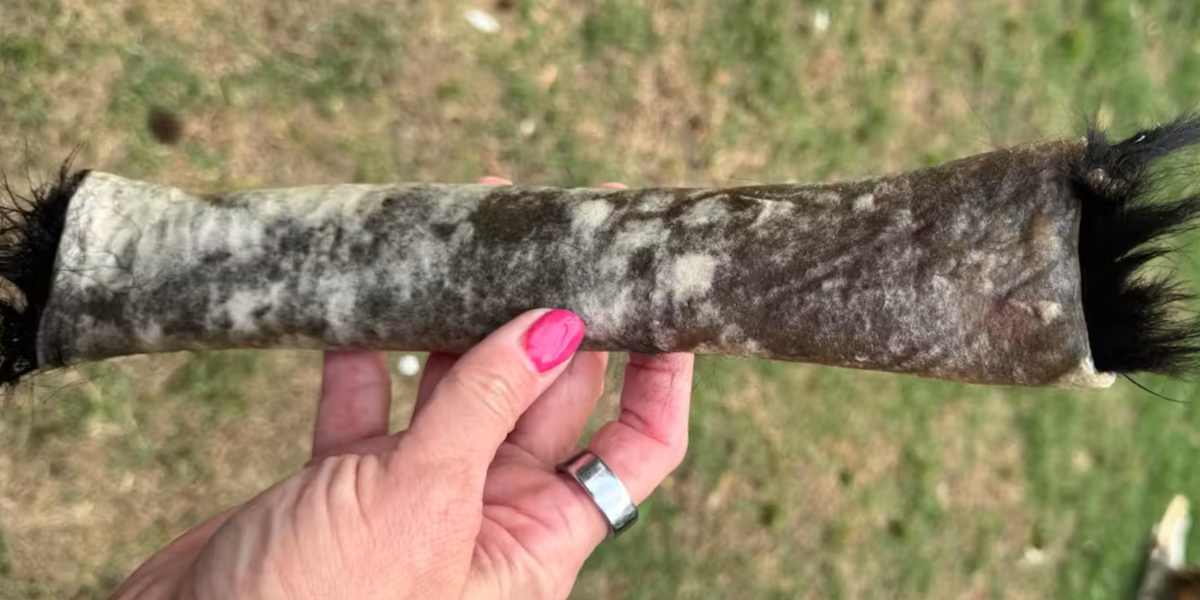
Most chew-related vet visits don't happen because someone bought the wrong chew, but because basic dog chew safety gets overlooked. They happen because the right chew got too small and nobody noticed. Here's how to know when to take it away. Sign #1: It fits entirely in the mouth The single most important rule of chew safety: if your dog can fit the whole chew inside their closed mouth, it's done. Take it. This is the moment a chew transitions from "thing they're chewing on" to "thing they might swallow whole." Swallowed-whole chews are choking emergencies, esophageal obstruction emergencies, and intestinal obstruction emergencies, usually in that order. The frustrating part is this happens fast. A chew can go from "looks fine" to "small enough" in a single chewing session. Don't trust visual size from across the room. Pick the chew up and check. We covered chew sizing in detail in our size guide. Same rule applies in reverse: if you wouldn't buy a chew that small for your dog, don't let them keep chewing one that's gotten that small. Sign #2: It's splintered or cracked Hard chews, antlers, bones, and plastic can crack along the grain and create sharp edges. These cause oral lacerations, punctured palates, and (in the worst cases) perforated intestines. Natural hide chews don't usually splinter, which is one of their safety advantages. But if you see sharp edges on any chew, the chew is done. (This is one of several reasons we don't sell antlers, bones, or hooves. We wrote about the harder issues in our aggressive chewer guide.) Sign #3: Your dog isn't really chewing anymore If the chew is small enough to carry around and your dog is mostly just holding it, walking with it, or trying to swallow chunks rather than work them down, it's time. The chew has stopped doing its job (enrichment, dental scrubbing, jaw work) and started being a swallowing target. How long should a chew last for dog chew safety? This depends more on your dog than on the chew. For most dogs, a natural hide chew lasts: 20-40 minutes per session for moderate chewers 30-60 minutes per session for aggressive chewers Multiple sessions across a few days for gentle chewers Take the chew away between sessions and store it somewhere your dog can't reach. This keeps it appealing (dogs lose interest in 24/7 access) and keeps you in control of when it's safe. What to do when the chew is done Don't throw a partially eaten chew in the regular trash where your dog can dig it back out. Toss it in something they can't access. For chews that have gotten small but aren't dangerously small yet, the right move is "trade up", swap the small chew for a fresh, full-size one. Most dogs will accept the trade happily. FAQ When should I take my dog's chew away? As soon as it's small enough to fit entirely in their mouth. That's the threshold where a chew becomes a choking risk. How long should a dog chew last? 20-40 minutes per session for most dogs, 30-60 minutes for aggressive chewers. The chew should still be substantial at the end of a session, not whittled down to a swallowable nub. Are natural hide chews safer than rawhide? Yes for several reasons we covered in our rawhide post, but the size and supervision rules still apply to any chew. Try chews built for safety from the start Every Ugly Chew is single-ingredient, just beef hide, no chemicals, no glue, no fillers. Sizes are designed to last through normal chewing sessions without getting dangerously small too fast. [Shop the Sample Bundle] For aggressive chewers, the Hair-On Hide Rolls are sized to give you a longer safe-chew window. [Shop Hair-On Hide Rolls]
Learn more