

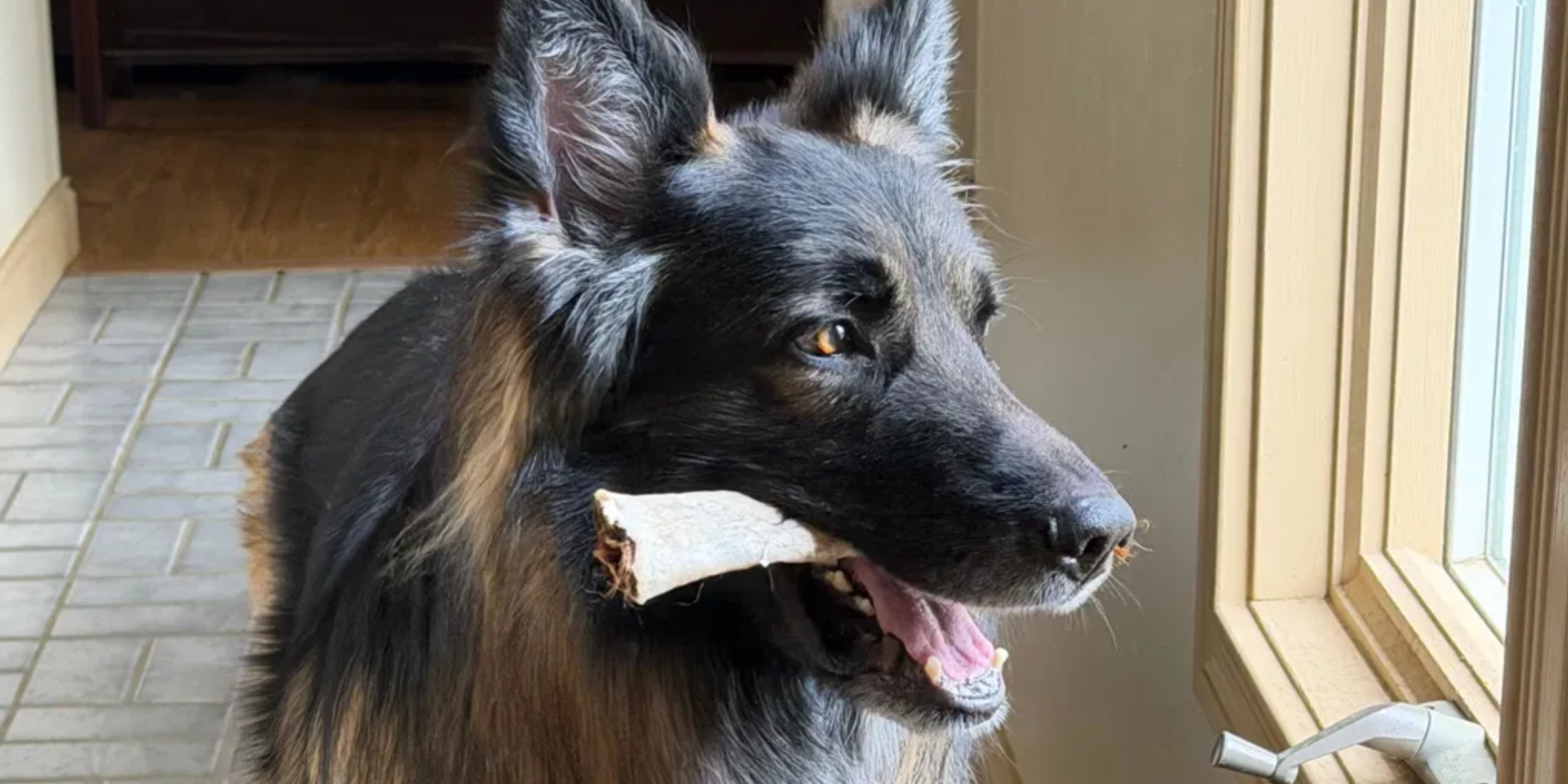
Chewing is one of the things dogs do when they need comfort. Different dogs have different chewing habits and choices for chews. With so many dog chews available in the market, dog owners often get confused. Beef rawhide for dogs is available in most pet products stores. It's one of the most popular chew treats owners prefer. But is it actually safe? Here’s what you should know about rawhide, its benefits, the risks and how to pick one for your pet.
What Is Beef Rawhide?
Rawhide is made from the inner layer of cowhide. The processing involves cleaning, shaping and drying. Some of them are rolled; others are pressed. Some come as knotted bones. Dogs like chewing on it when their new teeth are coming in. It comforts their teeth and keeps gums healthy.
Different types of rawhides are made in different ways. The process, ingredients and quality may vary from one product to another. For dog owners, choosing the right chew shouldn’t be difficult.
How safe are dog chews?
Dog chews made from beef rawhide are generally safe. Ensure the quality if you are trying it for the first time. Observe your dog while they chew. Here are some safety tips to remember:
-
Pick the right size – The chew size must be chosen according to age, as small pieces can be a choking hazard.
-
Feed them under your supervision – Observe your pet and make sure the chew is not too small to get swallowed whole.
-
Choose high-quality rawhide – Pick a known brand for pet products. Cheap chews can break faster or have harsh chemicals.
-
Remove very small pieces – A small piece is easier to swallow and can be a choking risk.
-
Watch for signs of trouble – If your pet shows signs like vomiting, gagging or skipping food after chewing, there may be a problem with the chews. You can visit your vet to discuss.
Chew time is fun for your pet. But ensuring their safety during this time is essential.
Benefits of Beef Rawhide Chews
Chewing isn't just fun for dogs. It has real benefits too:
-
Helps cut down plaque and tartar buildup
-
Keeps dogs mentally busy and less bored
-
Can ease teething pain in puppies
-
Gives dogs a healthy way to satisfy their chewing instinct
-
Lasts longer than most soft treats
Common risks associated with dog chews
Before giving a rawhide chew to your pet, it is important to know the risks:
-
Choking - Big as well as small pieces can cause choking. They can get stuck if swallowed whole.
-
Digestive blockages – If your dog swallows chunks, it can sometimes cause blockages. This is a common problem in smaller dogs.
-
Chemical residue – When dog chews are not properly processed, they can leave chemicals behind. This is not good for your dog’s digestive system.
-
Upset stomach – Some dogs are more sensitive to rawhide than others. If you face issues like upset stomach, consider visiting your vet.
Picking a trusted dog products brand is essential to ensure your dog’s health. Ugly Chews is a premium dog products brand that focuses on high-quality beef rawhide for dogs. For us, your pet’s safety and health come first. Quality control at every step makes our products safe for all dog breeds.
How to Choose the Right Chew for Your Dog
While choosing the right chew, consider these points:
-
Your dog's size. Bigger dogs need bigger, tougher chews.
-
Chewing style. Aggressive chewers may need thicker, denser rawhide.
-
Age. Puppies may need softer chews made for teething.
-
Sensitivities. Some dogs need a specific type of rawhide, or a different chew entirely.
At Ugly Chews, you can find the most suitable size of dog chews according to your dog’s size, chewing style, age and sensitivities.
Alternatives to Rawhide
If your dog has a sensitive stomach and rawhide doesn't suit, you can skip it and try these instead:
-
Bully sticks
-
Dental chews made for oral health
-
Freeze-dried treats
-
Rubber chew toys built for heavy chewers
These options offer similar health benefits. They come with fewer of the risks tied to regular rawhide. Some dogs do better with a rotation of a few chew types. It keeps things interesting. It keeps your dog busy and entertained.
How to Introduce Rawhide to Your Dog
Never given your dog rawhide before? Introduce it slowly. Start with a short, supervised session. Try ten to fifteen minutes. Watch how your dog handles it. Some dogs chew hard right away. Others take a slower, more curious approach.
A few things to watch for in that first session:
-
How fast your dog works through the chew
-
Whether they're biting off big pieces instead of gnawing slowly
-
Any gagging, extra drooling, or signs of discomfort
-
How they act afterward, like appetite and energy level
Everything look fine? You can slowly increase chew time. If you see a red flag, switch to a different size or texture. Or check with your vet before you continue. Getting used to beef rawhide for dogs takes a little patience. Most dogs get the hang of it fast.
Tips for Safe Chewing
A few habits keep chew time safe:
-
Supervise your dog, especially the first few times with a new chew
-
Store chews the right way to keep them fresh
-
Swap out old, worn-down chews before they turn into a hazard
-
Introduce new chews slowly and watch for any reaction
-
If your dog has a sensitive stomach or digestive issues, discuss with your vet before starting chews
-
Keep chews away from other pets in the house
The Bottom Line
Beef rawhide can be a safe, satisfying treat for your pet. Pick quality products and keep an eye on your dog while they chew. Also, consider your dog’s size, chewing style, age and sensitivities before choosing the chews. Ugly Chews offers a range of beef rawhide for dogs made with quality and safety in mind. Treat time stays worry-free with our safe and healthy products.
Frequently Asked Questions
1. Can puppies have beef rawhide?
Yes. For small puppies, pick a softer option sized for their age. Supervise closely, since puppies tend to chew hard while teething.
2. How long can a dog chew on rawhide?
It depends on the dog. Keep checking the chew size. When it becomes small enough to swallow whole, remove and replace it.
3. Is rawhide better than bully sticks?
It depends on your dog’s choice. Either one can become a favorite for them according to their preferences, chewing style and sensitivities.
4. What are the best alternatives to rawhide for dogs?
-
Bully sticks
-
Dental chews made for oral health
-
Freeze-dried treats
-
Rubber chew toys built for heavy chewers


