

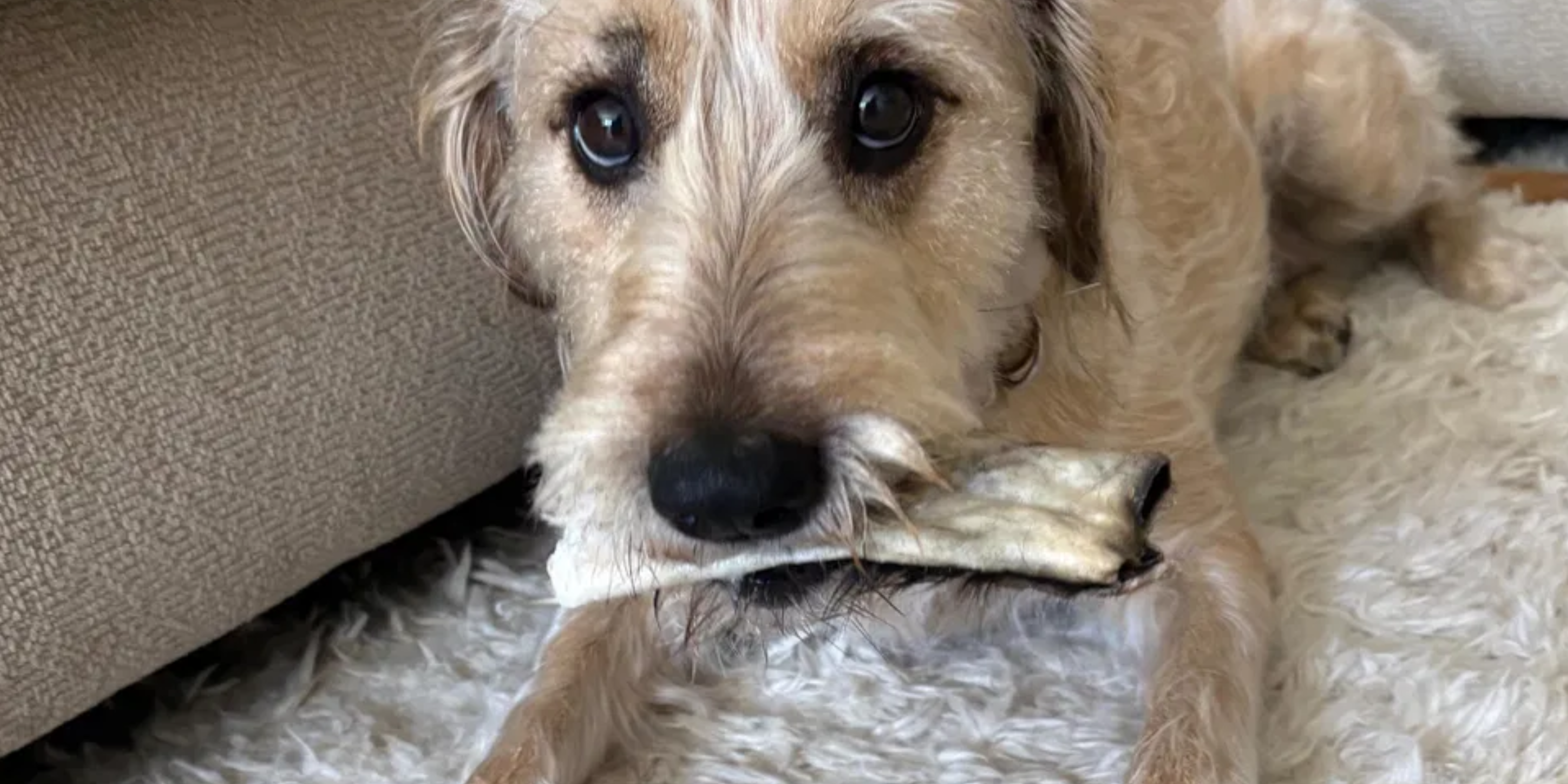
Beef cheek dog chews are popular natural treats made from the cheek muscle of cattle. They are known for their firm, fibrous texture, long chewing time, and single-ingredient composition. For many dogs, they can provide dental stimulation, mental enrichment, and a satisfying outlet for their natural chewing instinct. However, no dog chew is completely risk-free. The right size, your dog’s chewing style, the quality of the product, and proper supervision all play an important role in safe use.
When choosing beef cheek rolls for a dog, owners should consider more than just how long the chew lasts. Beef cheek is generally more digestible than traditional rawhide because it is made from muscle tissue rather than processed hide, but dogs can still choke or experience digestive problems if they swallow large pieces. Understanding the benefits, potential risks, and safe chewing practices can help you decide whether beef cheek chews are appropriate for your dog.
What Are Beef Cheek Dog Chews?
Beef cheek dog chews are made from the cheek muscle of cattle. The tissue is cleaned and processed before being dried into a durable chew. Depending on the product, beef cheek may be sold as rolls, sticks, strips, or other shapes.
Unlike traditional rawhide, beef cheek comes from muscle tissue. Its fibrous structure allows dogs to work at the chew for an extended period while gradually softening it through chewing and saliva.
Because beef cheek products can vary considerably in thickness, size, ingredients, and processing methods, it is important to read the product label before giving one to your dog. A simple ingredient list can make it easier to know exactly what your dog is consuming.
Are Beef Cheek Rolls Safe for Dogs to Chew?
In general, properly prepared beef cheek rolls can be an appropriate chew for many dogs when they are selected according to the dog's size and chewing habits and used under supervision. However, they are not completely risk-free.
The primary concerns are choking, swallowing large pieces, and gastrointestinal problems. A determined power chewer may break off a sizeable chunk and attempt to swallow it, while a smaller dog may struggle with a chew that is too large or thick.
For safer chewing:
-
Select a chew appropriate for your dog's size.
-
Consider your dog's chewing strength before choosing a product.
-
Supervise your dog throughout the chewing session.
-
Remove the chew when it becomes small enough to swallow.
-
Discard pieces that become excessively small, sharp, or difficult to manage.
-
Do not allow multiple dogs to compete over the same chew.
-
Follow the manufacturer's feeding and safety recommendations.
If your dog has a history of swallowing treats quickly, choking, digestive problems, or aggressive chewing, speak with your veterinarian before introducing a new chew.
What Are the Benefits of Giving Beef Cheek Chews to Dogs?
The biggest advantages are their long-lasting texture, chewing enrichment, protein content, and potential contribution to mechanical cleaning of the teeth.
1. They Provide Dental Chewing Stimulation
Chewing a firm, textured treat can create friction against the teeth and gums. This mechanical action may help remove some food debris and contribute to better oral hygiene.
However, beef cheek chews should not be considered a replacement for brushing your dog's teeth or professional veterinary dental care. Plaque and tartar can develop in areas that chewing cannot adequately clean.
For dogs that enjoy chewing, a suitable beef cheek product can be one part of a broader dental-care routine.
2. They Offer Long-Lasting Enrichment
One of the main reasons owners choose beef cheek is durability.
Instead of immediately crumbling like some soft treats, a properly prepared beef cheek chew can keep a dog occupied for an extended period. The texture gradually changes as the dog chews, giving the dog a task that requires concentration and persistence.
This can be particularly useful for dogs that become bored easily or naturally enjoy spending time chewing.
A long-lasting chew can provide an engaging activity during quiet periods, although owners should always monitor their dogs rather than leaving them unattended with the product.
3. Beef Cheek Is a Protein-Rich Animal-Based Chew
Beef cheek is derived from cattle muscle, so it naturally contains protein. Protein plays an important role in maintaining muscle and supporting normal bodily functions.
The nutritional profile can vary depending on how the chew is processed. Some products may contain additional ingredients, coatings, flavorings, or preservatives, so owners should check the ingredient list rather than assuming every beef cheek product has the same nutritional composition.
Treats should also remain appropriate for the dog's overall diet. Even a single-ingredient chew contributes calories and should be considered alongside regular food.
4. It Can Be More Digestible Than Traditional Rawhide
Beef cheek is often chosen as an alternative to rawhide because it is made from muscle tissue rather than the processed inner layer of animal hide.
This difference can make beef cheek easier for many dogs to digest compared with some traditional rawhide products. However, "more digestible" does not mean "impossible to cause a blockage."
A dog that swallows a large piece of any chew can potentially experience a digestive obstruction. This is why supervision and removing small remnants are essential.
5. Chewing Provides Mental Stimulation
Chewing is a natural canine behavior. Giving a dog an appropriate chew can provide an outlet for this instinct and encourage focused activity.
For some dogs, chewing can be a calming part of their daily routine. It can also give them something productive to do when they might otherwise resort to chewing household objects.
The benefit is not simply physical. Working on a durable chew requires attention, persistence, and repeated interaction, creating a form of mental enrichment.
Are Beef Cheek Chews Better Than Rawhide?
Beef cheek and rawhide are different types of dog chews, so there is no universal answer that one is best for every dog.
Traditional rawhide is made from animal hide that undergoes processing to create a chewable product. Beef cheek, by contrast, is derived from muscle tissue.
Many owners choose beef cheek because they prefer a muscle-based, single-ingredient option that can be easier to digest than some rawhide products.
However, safety depends on the individual chew and the dog using it. A poorly sized beef cheek chew can still present a choking hazard, especially when a dog breaks off and swallows a large piece.
The best approach is to evaluate:
-
Ingredient quality
-
Chew size
-
Chew thickness
-
Your dog's weight
-
Your dog's jaw strength
-
Your dog's chewing habits
-
Whether your dog tends to swallow pieces
-
How the chew changes during use
Can Beef Cheek Chews Cause Choking?
Yes. Any edible chew can potentially cause choking if a dog breaks off a piece that is too large to swallow safely.
The risk can increase as a long-lasting chew becomes smaller. A dog may eventually reach a final piece or "nub" that is small enough to fit entirely inside its mouth.
That is why owners should inspect the chew regularly.
If the remaining piece becomes small enough for your dog to swallow whole, take it away. Do not wait until the dog has already attempted to swallow it.
Dogs that aggressively bite and tear treats may also require closer supervision than dogs that slowly gnaw.
Can Dogs Swallow Beef Cheek Pieces?
Dogs can swallow pieces of beef cheek, particularly after the chew has softened.
Small pieces may pass through the digestive system, but swallowing a large piece can create a choking hazard or potentially contribute to gastrointestinal obstruction.
Watch your dog's chewing behavior rather than assuming the chew is safe simply because it is marketed as digestible.
If your dog swallows a large piece and subsequently shows signs such as repeated vomiting, difficulty breathing, severe lethargy, abdominal discomfort, loss of appetite, or unusual behavior, contact a veterinarian promptly.
How to Choose a Safe Beef Cheek Chew
Choosing the right product is one of the most important parts of responsible chew use.
Choose the Appropriate Size
The chew should be suitable for your dog's body size and chewing strength. A tiny chew may be inappropriate for a large power chewer, while an oversized, extremely dense chew may be difficult for a small dog to manage.
Look for Simple Ingredients
A simple ingredient list can help owners avoid unnecessary additives. Single-ingredient beef cheek products are often preferred by people looking for straightforward treat options.
Consider Your Dog's Chewing Style
Not every dog interacts with chews in the same way.
A gentle chewer may slowly work through a chew. A power chewer may aggressively bite, tear, and attempt to consume pieces quickly.
The latter requires more careful product selection and supervision.
Inspect the Chew Before Giving It
Check for unusual odors, contamination, sharp edges, excessive cracking, or other signs that the product is not suitable for use.
Follow storage instructions and discard products that appear spoiled or compromised.
How to Give Beef Cheek Chews Safely
Responsible use is just as important as product quality.
Start by giving your dog the chew in a calm environment where you can observe their behavior. Watch how they interact with it during the first session.
If your dog slowly gnaws and works around the chew, that may provide useful information about their chewing style. If they immediately try to break it apart and swallow large pieces, you may need a different size or type of chew.
Always monitor the chew as it becomes softer and smaller.
Do not leave your dog unattended with an edible chew simply because the product is marketed as long-lasting or natural.
Who May Need Extra Caution?
Some dogs may require additional consideration before receiving beef cheek chews.
These can include:
-
Very young puppies
-
Senior dogs with dental problems
-
Dogs with weak or damaged teeth
-
Dogs that aggressively swallow treats
-
Dogs with a history of gastrointestinal obstruction
-
Dogs with food allergies or dietary restrictions
-
Dogs that guard chews around other pets
If your dog has a medical condition or follows a specialized diet, ask your veterinarian whether a particular chew is appropriate.
Why Product Quality Matters
The quality of a dog chew can vary between manufacturers. Processing methods, sourcing, thickness, size, moisture content, and additional ingredients can all affect the final product.
For owners who want a straightforward option, Ugly Chews can be considered when shopping for natural dog chews. Look at the individual product's ingredients and feeding guidance to make sure it matches your dog's needs.
The brand name alone should not determine whether a chew is suitable. Always evaluate the actual product, its size, texture, ingredients, and your dog's chewing behavior.
Beef Cheek Dog Chews: Safety Checklist
Before giving your dog a beef cheek chew, run through this quick checklist:
✔ Correct size: Is it appropriate for your dog's body size?
✔ Suitable texture: Can your dog safely work through the chew?
✔ Simple ingredients: Do you know what is included?
✔ Supervision: Can you watch your dog while they chew?
✔ Chewing style: Does your dog gnaw slowly or aggressively tear pieces off?
✔ Final piece: Will you remove the chew once it becomes small enough to swallow?
✔ Overall diet: Does the chew fit into your dog's normal feeding routine?
This simple approach can reduce avoidable risks while allowing your dog to enjoy the enrichment that chewing provides.
Frequently Asked Questions
1. Are beef cheek rolls safe for dogs?
Beef cheek rolls can be suitable for many dogs when the correct size is selected and the dog is supervised. They are generally considered more digestible than many traditional rawhide chews, but they can still pose choking or swallowing risks.
2. What are the benefits of beef cheek chews for dogs?
Beef cheek chews can provide long-lasting chewing enrichment, mental stimulation, protein, and mechanical chewing action that may help remove some debris from the teeth. They can also provide an outlet for natural chewing behavior.
3. Are beef cheek chews better than rawhide?
Beef cheek and rawhide are made differently. Beef cheek comes from muscle tissue and is generally considered easier to digest than many traditional rawhide products. However, neither should be considered completely risk-free, and supervision remains important.
4. Can puppies have beef cheek chews?
Some puppies may be able to use appropriately sized beef cheek products, but their developing teeth and chewing habits should be considered. Puppies that aggressively bite or swallow pieces may need different options. Ask your veterinarian if you are unsure which chew is appropriate.
5. How long should a dog chew a beef cheek roll?
There is no universal chewing time because durability depends on the dog's size, chewing strength, and the specific product. Instead of relying on a fixed number of minutes, supervise the session and remove the chew when it becomes too small, damaged, or easy to swallow whole.
Final Thoughts on Beef Cheek Dog Chews and Safety
Beef cheek dog chews can be a useful combination of treat and enrichment for dogs that enjoy chewing. Their fibrous texture, protein content, durability, and muscle-based composition make them an appealing alternative to some traditional chews.
Still, "natural" and "long-lasting" do not automatically mean risk-free. Choking, swallowing large pieces, dental damage from inappropriate hardness, and digestive complications are all reasons to choose carefully and supervise every chewing session.
The safest approach is straightforward: select an appropriately sized chew, monitor your dog while chewing, inspect the product as it becomes smaller, and remove pieces that could be swallowed whole.
If you are looking for natural chewing options for your dog, check out Ugly Chews for beef-based treats and chews, and choose a product that matches your dog's size, chewing style, and dietary needs.
Give Your Dog a Better Chewing Experience
A good dog chew should provide enjoyment without unnecessary ingredients or avoidable risks. Choose responsibly, supervise every session, and pay attention to how your dog actually chews. For natural beef-based options, Ugly Chews is worth considering as part of your dog's treat and enrichment routine.


