

Ugly Chews Blog

What Are Hair-On Hide Rolls? Safety, Sourcing & Intestinal Benefits
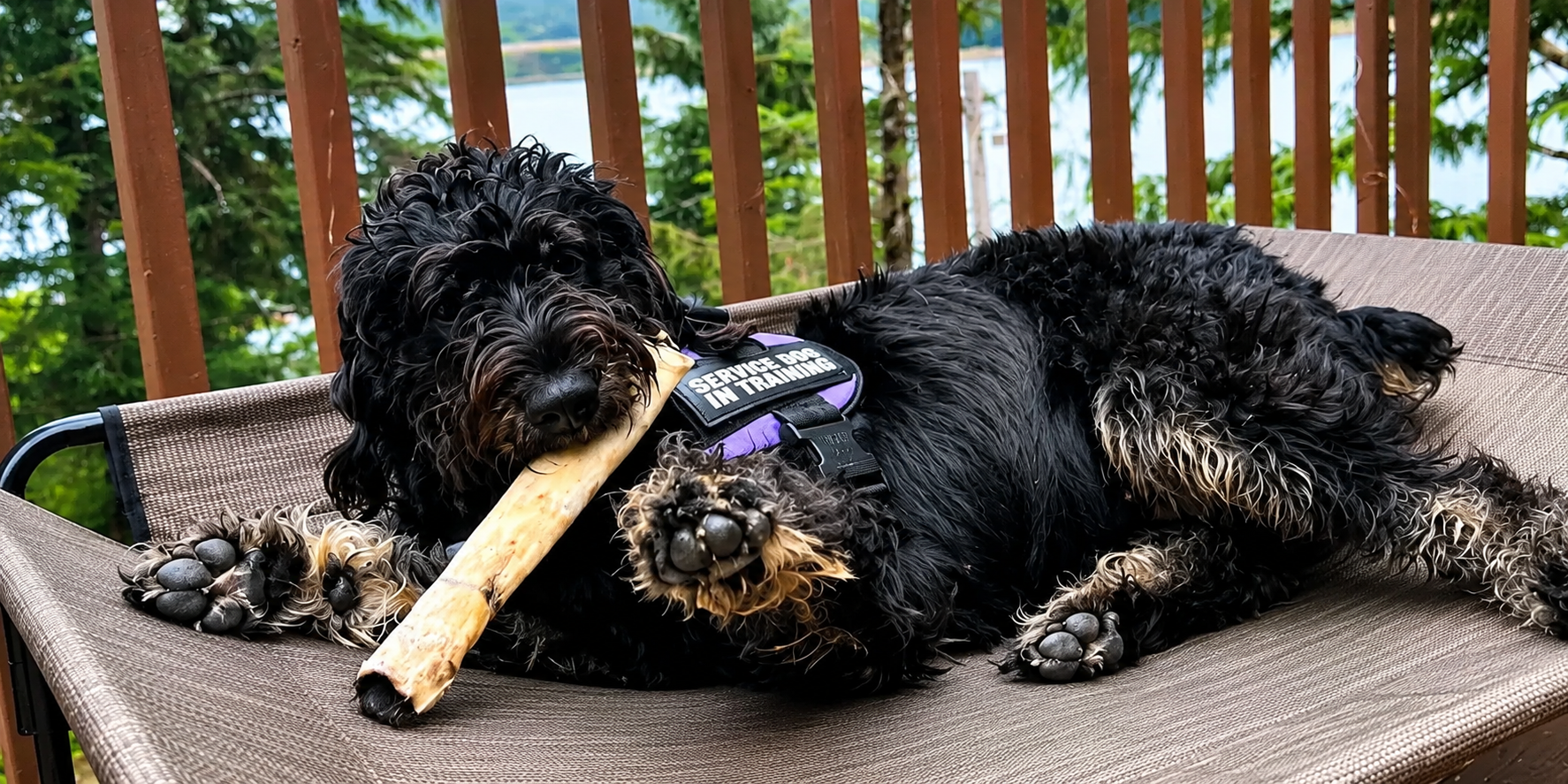
If you’ve seen hair-on hide rolls for dogs, you might be wondering, “Should I buy these for my dog? Are they safe, and why do they still have fur on them?” Many dog owners have the same questions before trying this natural chew. Hair-on hide rolls have started to gain popularity because they are less processed than regular rawhide rolls and are made of the complete hide of the animal, along with the hair still intact. These can help keep your pet entertained and satisfy its chewing urges. In this article, you will be learn briefly how they’re made, whether they’re safe, and the benefits they can offer your dog. What are hair-on hide rolls for dogs? Hair-on hide rolls for dogs are single-ingredient dog chews made from whole, un-split animal skin with the fur left intact. Unlike traditional rawhide, which is chemically split, bleached with hydrogen peroxide, and glued together with artificial binders, these rolls are a pure whole food. At Ugly Chews, things are done differently. Our treats preserve 100% of their natural thickness and organic nutrients. They are simply cleaned with hot, high-pressure water and dehydrated without toxic chemical baths. This process creates a fully digestible rawhide substitute that safely satisfies your dog's ancestral instinct to chew. Are hair-on hide rolls safe for dogs to chew? Yes, hair-on hide rolls are highly safe for dogs because they are fully digestible. They break down naturally in the stomach's acidic environment without swelling, and utilize precise thermal dehydration. And it gets rid of such dangerous bacteria as Salmonella and Listeria. Traditional rawhide is infamous for being able to cause fatal stomach blockage due to chemical treatment. This makes the collagen absolutely immune to digestion by the dog's stomach acids. Once the dog swallows the traditional commercial rawhide, it swells in his stomach as an indigestible sponge. In contrast, dehydrated dog treats like whole hide rolls break down smoothly. As they have not been chemically tanned, the hide will be digested by natural stomach enzymes. Thus, it is a great product for aggressive chewers. If your dog prefers something softer, alternative products, such as Thin Hides, offer him this digestive treat. Where does the hide and fur come from? High-quality hides are sourced from clean, grass-fed animals raised on sustainable farms. This validates a healthy life completely free from steroids or chemical antibiotics for dogs. Our pet treats began as a rural concept in reducing waste. Nowadays, we take full responsibility in providing our pets with eco-friendly treats with transparency in the sourcing of our ingredients. The unique cleaning process at Ugly Chews solves the contamination issue cleanly. The hides are cleansed through high-pressure and hot-water washes and sterilized through ultraviolet light treatments as opposed to chemical treatments. Through the continuous holding of the hide at a bacteria-killing temperature for several days during the process of dehydration, all traces of moisture in it are taken out. What are the intestinal health benefits of fur for dogs? Consuming animal fur provides critical intestinal benefits by acting as a natural gut brush that clears waste, aids anal glands, and adds minerals. Leaving the hide of the beef covered with its fur gives rise to four main foundations of good dog digestive health: Mechanical Natural Deworming Agent: The fur gets ingested into the intestines as part of the structural fiber and functions as a gentle natural brush that cleanses the microorganisms and eggs of worms from the intestine walls. Deep Colon Cleansing: The fibrous texture of the hair gently scrubs the colon walls, removing old food residue and stagnant mucus buildup to optimize your dog’s daily nutrient absorption. Firmer Stools and Anal Gland Health: The hair adds natural, non-fermentable bulk to the feces, which applies natural pressure against the anal sacs to assist with effortless anal gland expression. Native Manganese Supplementation: Animal hair is naturally rich in manganese, making single-ingredient dog chews with fur one of the easiest ways to supplement bioavailable manganese for dogs for joint and ligament health. How do you safely introduce furry chews to your dog? Begin with small bits of the chews and keep an eye on your dog while munching on the chew until you can see that it has become too small to be swallowed by the dog. Always get treats that have been appropriately treated by a reputable pet brand. Preparation and Selection When you are buying chews for your pet, you need to select the size. You should purchase chews that're larger than your pet's mouth so that your pet cannot swallow them. You have to supervise the session. Always watch your pet while your pet chews to prevent your pet from choking. You should take away the chews soon. Take the remaining piece of the treat away once it becomes small enough for your pet to swallow. Feeding Safety Practices Start with a piece of the treat on the first day when you are giving the treat to your pet. Check whether your pet has an upset tummy, diarrhea, or vomiting. You have to restrict the time. Allow your pet to chew the treats for 10 to 15 minutes. Ensure that clean water is always nearby for your pet to drink. Conclusion Modern dog care is returning to evolutionary roots. Real, single-ingredient choices from Ugly Chews bridge the gap between durable entertainment and deep digestive therapy. By selecting treats derived from transparent, clean sourcing, you provide your dog with a tough chew that cleans their teeth, feeds their joints with manganese, and purges their digestive tract safely. Ditch the bleached chemicals of the past. Switch to a cleaner, species-appropriate chew that supports your pet from the inside out. People also ask: Can puppies safely eat hair-on hide rolls? Yes, hair-on hide rolls are generally safe for puppies from 12 weeks of age onwards because the natural hide and fur act as fully digestible, soft fiber. Can furry dog treats replace my dog's chemical dewormer? No, furry dog treats are an excellent preventative digestive aid that helps physically flush out pests, but they do not chemically kill worms or replace veterinary medicine. How often should I give my dog a hair-on hide chew? Most pet nutritionists recommend giving your dog a hair-on hide chew 1 to 3 times per week to achieve the best dental and digestive benefits. Do hair-on hide rolls have a strong or bad smell? No, high-quality hair-on hide rolls have a very mild, naturally earthy scent and will not stink up your indoor living spaces.
Learn more
A Complete Guide to Rawhide Sticks for Dogs Every Pet Owner Should Know
Dogs have a powerful instinct to chew every single day, and this habit keeps their jaws strong and relieves daily boredom. As a result, many owners buy traditional rawhide sticks for their dogs. However, standard options often carry hidden safety risks and chemicals. Understanding how these chews are made helps you pick safer treats. Switching to natural alternatives protects your pet while satisfying their needs. This complete guide explains everything you should know about safe chewing. What Are Traditional Dog Rawhide Sticks? The leather industry produces rawhide sticks for dogs as a by product. They come in a variety of shapes and sizes, especially rawhide dog chews, and are made from the inner layer of dried cow or horse skins. It's understandable why dogs adore these chewable treats, which are sometimes boosted with enticing scents like beef, chicken, or liver. But there is a sinister aspect to these apparently innocuous canine treats. There are inherent concerns associated with rawhide dog treats, including choking hazards, digestive problems, and chemical exposure. However, a lot of dog owners are still ignorant of the dangers, placing their pets at risk. Understanding Potential Risks and Digestive Hazards Chemically treated hide melts into sticky leather when bitten by dogs. Pets frequently break off and ingest big pieces as a consequence. These large pieces are difficult for the dog's stomach to break down. Rather, they enlarge and cause hazardous intestinal obstructions. To properly remove these stuck parts, emergency surgery may occasionally be necessary. Furthermore, sensitive stomach linings are often irritated by residual bleach. You may fully prevent risky emergency veterinary appointments by being aware of these risks. Key Benefits of Natural Unbleached Chews Fortunately, raw cow hides are now a much safer option. These skins retain rich natural nutrients by avoiding chemical washes. To get rid of moisture without using poisons, they are gently sun-dried. This delicate method creates a durable texture that lasts for hours. Your dog's brain generates relaxing chemicals when they chew joyfully. During loud weather events, these natural chemical signals aid in lowering anxiety. As a result, pure whole hides provide complete safety and mental stimulation. Selecting products from Ugly Chews makes sure that your pet will get high-quality, hygienic chews. Feature Traditional Rawhide Ugly Chews Natural Hides Ingredients Bleached hide, glue, artificial dyes 100% natural USA beef hide Processing Method Chemical washing and machine rolling Hand-crafted and sun-dried Digestive Support None (can cause intestinal blockages) Natural hair aids intestinal sweeping Chemical Content Bleach, synthetic preservatives, harsh dyes Zero chemicals, zero preservatives How Natural Hair Supports Canine Digestion In addition to safety, whole hides with natural hair offer benefits. This unique texture closely mimics what wild canines eat naturally outdoors. As hair passes through, it acts as gentle fiber inside the intestines. It sweeps along stomach walls to collect lingering waste debris smoothly. Consequently, this gentle cleaning action supports regular and healthy stool quality. Dogs also love the authentic ranch smell of real whole hides. It satisfies their wild instincts while keeping their digestive channels clean. Choosing Right Sizes for Your Dog Sometimes, to get the most benefits of rawhide sticks for dogs, you must pick the proper size. If you pick too small a chew for your pet, your dog might swallow it in a few seconds. For instance, small breeds need compact rolls made for light jaws; on the other hand, big dogs require heavy hides that resist pressure. Matching the chew size to your pet prevents sudden choking hazards. Small Sizes (4-6 inches): Best for small dogs under 15 pounds. Medium Sizes (8-10 inches): Perfect for dogs weighing 15 to 25 pounds. Large Sizes (12 inches): Designed for heavy chewers over 25 pounds. Selecting items from Ugly Chews helps match your pet with durable rolls. Note: Once you select the right size, always supervise each chew session. It is best to limit chewing sessions to twenty minutes max. This short timeline prevents your dog from consuming too much at once. After each session, put the hide away so it hardens up. This resting period makes the hide last longer for future sessions. In addition, keep fresh drinking water nearby while your dog chews. Always take away small leftover ends before they get swallowed whole. How to Preserve Natural Dog Chews Since natural treats contain zero chemical preservatives, proper storage matters greatly. You should store these hides in open areas with plenty of airflow. Never store fresh treats in closed plastic bags or tight containers. Trapped humidity inside sealed plastic creates mold on clean natural hides. For long-term storage, keep extra hides stored safely inside your freezer. Freezing keeps raw hides perfectly fresh without using synthetic chemical sprays. Following these simple steps keeps every single treat wholesome and tasty. All-natural options from Ugly Chews remain fresh when kept dry. Final Words Providing safe chewing options is vital for your dog's overall health. Traditional options carry hidden chemical dangers and serious blockage risks. By contrast, natural whole hides offer healthy entertainment without toxicity. They keep teeth clean, satisfy instincts, and gently aid daily digestion. Simply remember to choose proper sizes and monitor every chew session. Your beloved dog deserves wholesome treats made from honest natural ingredients. If you are looking for the most reliable and trustworthy rawhide sticks for dogs? Don’t forget to visit us at Ugly Chews. You can easily pick all-natural dog treats from our collections. Contact us today to order your healthy dog chews. Frequently Asked Questions Are traditional rawhides safe for power chewers? Traditional options easily split into soft gummy pieces under strong pressure. Power chewers often swallow large chunks that cause dangerous stomach blockages. Thick whole hides offer a much safer alternative for strong dogs. How do natural hair-on chews support digestion? Natural hair acts like dietary fiber inside your dog's digestive tract. It gently sweeps intestinal walls to collect and remove built-up waste. This natural sweeping action helps keep stool firm and digestion regular. How long should a dog chew each day? Limit each chewing session to fifteen or twenty minutes at most. This short timeframe prevents stomach fatigue and makes treats last longer. Taking breaks allows hide material to re-harden between chewing sessions. How can I store chemical-free dog treats safely? Store unbleached hides in open containers that allow good air circulation. Avoid plastic bags because trapped moisture leads to quick mold growth. You can also freeze hide chews for safe long-term storage. What makes natural hides different from standard rawhide sticks for dogs? Standard rawhide sticks for dogs undergo harsh chemical bleaching and gluing. Natural hides are hand-crafted, sun-dried, and left completely chemical-free. They provide safe entertainment without toxic residues or synthetic additives. What should I do when a chew gets small? Remove small end pieces immediately to prevent sudden choking risks. Throw away small remnants that your pet could swallow whole easily. Replace worn pieces with a fresh full-sized hide chew right away.
Learn more
The Complete Guide to Why Dogs Chew Their Feet (And How to Stop It)
If you've noticed your dog constantly chewing, licking, or biting their feet, you're not alone. Paw chewing is one of the most common concerns among dog owners, and while occasional licking is normal, excessive chewing is usually a sign that something needs attention. Dogs chew their feet for many reasons, including allergies, skin irritation, injuries, parasites, boredom, anxiety, and even dietary deficiencies. Identifying the underlying cause is the first step toward helping your dog feel comfortable again. This guide explains the most common reasons dogs chew their feet, how to identify warning signs, and practical ways to stop the behavior. We'll also discuss how long-lasting natural chews from Ugly Chews can provide healthy mental stimulation while reducing boredom-related paw chewing. Why Do Dogs Bite and Lick Their Paws? Common Medical Triggers Before assuming your dog is simply bored, it's important to rule out medical issues. Many cases of excessive paw chewing begin with physical discomfort. Environmental Allergies Environmental allergies are among the leading causes of paw chewing. Grass pollen, mold, dust mites, and seasonal allergens can irritate the skin between your dog's toes. Common symptoms include: Constant licking after walks Red or inflamed paw pads Swollen toes Frequent scratching Ear infections If symptoms worsen during certain seasons, allergies may be the primary culprit. Food Allergies Some dogs develop sensitivities to proteins such as chicken, beef, dairy, or grains. Food allergies often affect the paws before other areas of the body. Signs include: Persistent foot licking Recurring skin infections Digestive upset Itchy ears Hair loss around the paws Consult your veterinarian if food allergies are suspected. Yeast and Bacterial Infections Warm, moist paws create an ideal environment for yeast and bacteria. Watch for: Brown staining from saliva Strong odor Greasy skin Inflamed toes Excessive chewing Early treatment helps prevent secondary infections. Parasites Fleas, mites, and ticks can trigger intense itching. Even a single flea bite may cause prolonged irritation in sensitive dogs. Regular parasite prevention is essential. Injuries and Foreign Objects Dogs often step on: Thorns Burrs Small rocks Glass Hot pavement Ice melt chemicals Even a tiny splinter can cause continuous chewing until removed. The Psychology Behind Paw Chewing: Chronic Boredom and Separation Anxiety Not every dog chews their feet because of a medical condition. Emotional health plays an equally important role. Dogs are intelligent animals that require daily physical exercise and mental enrichment. Without enough stimulation, they often redirect their energy into repetitive behaviors like paw chewing. Chronic Boredom Dogs left alone for extended periods may develop habits such as: Paw chewing Furniture chewing Digging Barking Tail chasing Providing healthy alternatives helps redirect these behaviors. One excellent solution is offering long-lasting raw hide chews for dogs during quiet periods. Quality chews encourage natural chewing instincts and keep dogs mentally engaged. Separation Anxiety Dogs experiencing separation anxiety may chew their feet shortly after their owner leaves. Signs include: Pacing Whining Destructive behavior Excessive drooling Paw licking House accidents If anxiety is severe, consult your veterinarian or a certified dog behaviorist. Identifying the Warning Signs: How to Inspect Your Dog's Foot Pads Regular paw inspections allow you to catch problems before they become serious. Check your dog's paws every few days. Look for: Redness Inflamed skin often indicates allergies or irritation. Cuts or Abrasions Small wounds may become infected if ignored. Swelling Swollen toes may signal infection, injury, or insect stings. Foreign Objects Carefully examine between the toes for: Grass seeds Burrs Splinters Pebbles Cracked Paw Pads Dry, cracked pads can be painful and encourage excessive licking. Nail Problems Broken or overgrown nails may also cause dogs to chew their feet. If you notice bleeding, pus, or severe swelling, schedule a veterinary examination immediately. How to Stop a Dog From Chewing Their Feet The best way to stop your dog from chewing their feet is to identify what's causing the behavior. If your veterinarian has ruled out allergies, infections, or injuries, you can focus on reducing boredom, stress, and other lifestyle factors that often contribute to excessive paw chewing. Keep Your Dog Mentally Engaged Many dogs chew their paws simply because they don't have enough to do. Interactive toys, puzzle feeders, training sessions, and regular playtime can keep their minds occupied and reduce repetitive habits. Even adding a few short enrichment activities throughout the day can make a noticeable difference. Give Them a Healthy Outlet for Chewing Chewing is a natural instinct that helps dogs relieve stress and stay mentally stimulated. Instead of allowing them to focus on their paws, offer a safe, long-lasting chew that redirects their attention. A rawhide roll is a great option for dogs that enjoy extended chewing sessions, while rawhide chips work well for lighter chewers or shorter enrichment breaks. If you're looking for a variety of natural options, Ugly Chews offers premium rawhide chews for dogs that encourage healthy chewing habits while helping keep your dog occupied. When used as part of a balanced routine, these chews can reduce boredom and provide a positive outlet for dogs that tend to chew their feet out of habit. Exercise Every Day A dog with excess energy is more likely to develop repetitive behaviors like paw licking or chewing. Daily walks, games of fetch, scent work, and obedience training help burn both physical and mental energy, making your dog more relaxed throughout the day. Keep Their Paws Clean and Comfortable After walks, wipe your dog's paws to remove pollen, dirt, road salt, or lawn chemicals that may irritate the skin. Regularly inspect the paw pads for cuts, splinters, or cracked skin, and keep the nails trimmed to prevent discomfort. Reduce Anxiety and Stress Some dogs chew their feet when they're anxious or left alone for long periods. Creating a predictable daily routine, providing enrichment before you leave the house, and rewarding calm behavior can help reduce stress-related paw chewing over time. Treat the Underlying Cause If your dog's paw chewing continues despite environmental changes, don't ignore it. Persistent licking can be a sign of allergies, infections, parasites, or pain that requires veterinary treatment. Addressing the root cause is the most effective way to stop the behavior and prevent future flare-ups. When Should You See a Veterinarian? Seek veterinary care if your dog: Chews until the paws bleed Has swollen or infected feet Develops a foul odor Suddenly begins excessive chewing Walks with a limp Shows signs of pain Stops eating or becomes lethargic Early diagnosis leads to faster recovery and prevents long-term skin damage. Preventing Paw Chewing Before It Starts Preventive care is the easiest way to protect your dog's paws. Build healthy daily habits by: Checking paws after outdoor walks Keeping nails trimmed Cleaning paws regularly Maintaining flea prevention Feeding a balanced diet Providing daily exercise Offering enriching toys and safe natural chews Scheduling routine veterinary checkups Dogs that receive both physical exercise and mental stimulation are far less likely to develop compulsive chewing behaviors. Long-lasting chews from Ugly Chews, including raw hide chews, rawhide roll, and rawhide chips, can become part of a well-rounded enrichment routine that keeps your dog occupied while satisfying their natural chewing instincts. Final Thoughts Occasional paw licking is perfectly normal, but persistent chewing is usually your dog's way of communicating discomfort or stress. Whether the cause is allergies, infection, injury, boredom, or anxiety, identifying the underlying reason is essential for effective treatment. Regular paw inspections, proper grooming, daily exercise, and mental enrichment can dramatically reduce repetitive paw chewing. Safe, long-lasting dog chews from Ugly Chews offer an excellent outlet for natural chewing instincts, helping redirect attention away from the paws while promoting healthy engagement. By combining veterinary care when needed with preventive habits and appropriate enrichment, you can help your dog stay comfortable, active, and free from excessive paw chewing. Frequently Asked Questions 1. Why is my dog suddenly chewing their feet raw? Sudden paw chewing is commonly caused by allergies, insect bites, injuries, infections, or something lodged between the toes. If your dog is chewing until the skin becomes raw or starts bleeding, schedule a veterinary examination as soon as possible to identify and treat the underlying cause. 2. Can environmental allergies cause a dog to bite their paws? Yes. Environmental allergens such as pollen, grass, mold, and dust mites frequently cause itchy paws. Dogs often respond by licking, chewing, and biting their feet, especially after spending time outdoors during allergy seasons. 3. How do I stop my dog from licking and chewing their feet at night? Start by checking for injuries, irritation, or infections. Increase daily exercise, establish a calming bedtime routine, and provide safe enrichment such as rawhide chews for dogs, a rawhide roll, or other long-lasting natural chews from Ugly Chews to help reduce boredom and anxiety before bedtime. 4. Why do dogs lick their paws until they turn pink or brown? Excessive licking causes saliva staining, which often turns white fur pink, reddish-brown, or brown. This usually indicates chronic licking due to allergies, yeast infections, anxiety, or skin irritation rather than the discoloration itself being the primary problem. 5. What treats and dog chews can stop a dog from biting their paws? Long-lasting natural chews can redirect chewing behavior caused by boredom or mild anxiety. Options such as raw hide chews, rawhide chips, and a rawhide roll from Ugly Chews provide mental stimulation and satisfy natural chewing instincts. However, if medical issues are causing the paw chewing, veterinary treatment should always come first.
Learn more
What Are Single Ingredient Dog Treats? A Complete Guide
Are single-ingredient dog treats a healthy choice for your pup? Most dog owners ask this question while searching for nutritious options. In fact, many pet parents feel completely confused when trying to read long, complicated ingredient lists on commercial bags. It is during this exact moment of frustration that they discover single ingredient dog treats. While these pure options offer high concentrations of protein, fats, and vitamins, they are meant to supplement, not replace, your dog’s balanced daily diet. These whole-food chews provide highly digestible energy that complements core meals perfectly, making digestion easier and reward time much safer. In this blog, we will help you understand how a shift towards pure dog snacks can change your dog's life completely. The True Definition of a Single Ingredient Dog Treat When we talk about simplicity in dog treats, the perfect answer implies a snack that contains only one ingredient on its ingredient list. For example, if you buy a bag of freeze-dried beef liver bites, the only word that should appear on the back of the packaging is "beef liver," not more than that. Traditional treats often contain many ingredients like corn, soy, wheat, animal by-products, artificial colors, and preservatives, which are added to keep them moist while on store shelves. However, these ingredients offer no nutritional value and can often lead to stomach issues and allergic reactions in pets. Therefore, when you choose raw, dehydrated, or freeze-dried single-protein foods, it becomes the best natural treat option for your puppy. Why Pet Parents are Making the Switch This move towards minimal ingredient diets is not a fad; it is a major correction after decades of feeding processed food to our pets. Modern-day pet parents consider their pets a part of the family. Feature Single Ingredient Treats Mass-Market Commercial Treats Ingredient Count Exactly One (1) whole food Multiple fillers and binders Preservatives None (Naturally preserved) Chemical shelf-life extenders Allergy Risk Minimal (Extremely low) High (Due to hidden additives) Nutrient Density High (Pure muscle/organ meat) Low (Diluted by cheap grain) You will have total control over all the calories and nutrients that your pet consumes on a daily basis by eliminating the white noise from the lengthy list of ingredients. Key Health Benefits of Single Ingredient Dog Treats 1. Easy-to-Digest & Gut-Friendly The dog's digestive tract is very short and highly acidic. It can digest proteins and fats easily, but in order to process something else, the body needs to exert extra effort. The result of this is increased risk of bloating, loose stools, and other types of intestinal distress. The single-source protein treats pass through the intestines smoothly, providing maximum absorption of all the nutrients while reducing bathroom accidents. 2. No More Allergies & Food Intolerances If your dog licks its paws all the time, scratches its ears, and has an irregular fur coat, then it definitely suffers from some food allergies or food intolerances. Finding out what causes it can be quite challenging if there are 15 ingredients in the treat. It's easy to do an elimination diet with one protein source. For example, if the dog is sensitive to chicken, then you can use beef or pork or just about any kind of wild game. 3. High Nutritional Value The snacks are typically made with cheap fillers, such as wheat flour or cornmeal, providing little nutritional value and are a cause of the growing number of obese dogs. Meat, organ, or whole fish-based treats, on the other hand, will provide your pet with high levels of natural vitamins, amino acids, and omegas. Ingredients You Should Pay Attention to The front of the bag may boast about being "Made with real beef," but when you turn the bag, you will find all sorts of flour, sugar, salt, and artificial colors listed after the beef. Extraction of true pure nutrition means you need to pay attention to the mandatory nutrition information list, not the graphics on the pack. There must be only one noun mentioned in the ingredient list. If you come across something that looks very technical, leave the bag where it was. High-quality snacks that contain only one type of ingredient undergo special treatment like dehydrating, baking, or freeze-drying that helps preserve vitamins. Introducing Ugly Chews: Pure, Honest Nutrition When it comes to sourcing transparent, high-protein rewards that respect your dog's biological needs, Ugly Chews sets the industry standard. This company offers the best handmade, long-lasting products free of artificial chemicals and dangerous bleaching substances. Working with trusted firms allows them to maintain the natural structure and aroma of their chews, making them mentally stimulating and satisfying for pets. A simple manufacturing process guarantees that your pet will get wild and natural energy in each chew, which will not contain any harmful processing agents or fillers. How to Safely Introduce Simple Chews to Your Dog’s Diet Despite being perfectly healthy and safe, it is important to introduce any kind of food into your dog’s diet gradually to avoid temporary stomach problems. Try a Little Bit: Offer your pet a tiny piece of treat on the first day to check how his stomach tolerates rich protein. Watch Stools: Monitor your pet's stool quality during the next 24 hours to make sure everything goes right. Do Not Overeat: Remember that treats should never be more than 10% of the total daily calorie intake of your dog. Rotate Proteins: Switch between different pure options like beef liver, fish skins, or pork options to provide a wide spectrum of natural vitamins. Summary of Core Value Propositions Pure Ingredients: Includes only one single identifiable food with no fillers whatsoever. Skin Sensitivity Solution: Does not include any sneaky ingredients causing skin itching and stomach issues. Intact Vitamins & Minerals: All macro and micronutrients are preserved by the use of freeze and air drying. Encourage Healthy Teeth: Treats with a higher fibre content serve as natural cleaners and aid in the removal of plaque during chewing. Improve Your Dog's Snacking Experience Now Instead of burdening their digestive tract with needless chemical binders, your dog deserves authentic, clean food that supports their active lifestyle. Eliminate the mystery foods from your cupboard to give your pet the gift of robust health, a shiny coat, and easy digestion. Visit the Ugly Chews Single Ingredient Dog Treats collection to see the entire lineup of unadulterated, farm-fresh treats and choose the ideal protein treat for your pet! FAQs:- What are single ingredient dog treats? The items refer to natural pet treats that contain only one type of food component, for example, pure beef liver, chicken breasts, or sweet potatoes without additional chemicals, grains, and preservatives. Is it OK for sensitive dogs to eat individual treats? For sensitive dogs, single-ingredient treats are highly recommended because sensitive dogs can more easily digest treats that contain only one ingredient that they are not likely to be allergic to. How long can natural single ingredient treats be kept? They can be kept for months in a sealed container, in a dry and cool place, as they are in a dried form without moisture or freeze-dried. Why are some single ingredient treats irregular or ugly? The reason for the irregularity of these treats is the natural production of the treats and non-bleaching of them, which allows keeping the natural form of products and prevents molding them into an artificial shape using machine technology. Where can I purchase high-quality single-ingredient treats? As there are multiple shops in the market, it's natural to confuse where to get the most reliable and healthy treats for your dog. You can purchase the best variety of transparent and farm-sourced treats through the Ugly Chews Collection store.
Learn more
The Ultimate Guide to Dog Treats Long Lasting Options for Every Life Stage
Should your canine finish a doggy snack within just a few minutes, you're certainly not the only one. There are plenty of pet parents who are looking for tasty dog treats lasting long enough to ensure their furry friends' engagement, satisfaction, and happiness. The proper chew is not just for making your dog happy. The good chew will allow you to maintain adequate chewing behavior in your dog, such as promoting proper dental hygiene and even stimulating their mind. Whether your pet is a puppy, adult, or a senior dog, finding the right chew will definitely benefit all of them. In this blog, we will help you understand what aspects you need to consider when purchasing dog treats long lasting varieties for your dog. What Are Long-Lasting Dog Treats? Dog chews are dog snacks that are designed to last for a longer period of time than other normal snacks. Typically, these treats are made from natural ingredients and are hard enough that dogs chew them slowly instead of gulping them down in a matter of several minutes. This will keep them busy and content for a long stretch of time. The main reason so many people buy these chews is that they satisfy a dog’s natural urge to chew and help reduce boredom when they’re at home. Why Do Dogs Require Long-Lasting Chews? Dogs perform natural activities, including chewing. This activity allows dogs to interact with their environment, reduce stress, and stimulate their brains. With a chew treat, you will gain a lot of advantages. The most important benefits are listed below: Keeps dogs entertained for longer Helps reduce boredom and destructive chewing Supports healthy teeth and gums Gives dogs mental stimulation Rewards good behavior Satisfies natural chewing instincts Instead of chewing furniture, shoes, or other household items, your dog has a safe and enjoyable alternative. Choosing the Right Chew for Every Life Stage Different breeds require different types of chews. Breed, age, and chewing power can determine the best option for your pet. Puppies Puppies like to bite because they are in their teething period. At this stage, your dog requires some chews that are hard enough to soothe gum irritation, but not too hard to damage your dog's teeth. When choosing long lasting puppy chews, you should always select products made from natural materials and easily digestible. The size should be appropriate for your puppy. Adult Dogs Adult dogs have stronger jaws and more energy than puppies. Long-lasting chews are distractions and also help satisfy the natural urge to chew in dogs. Chews like these will keep your dog busy and help prevent boredom when you leave your dog home alone during the day. Pick chew toys that fit your dog's size and chewing habits. It is always better to have natural chews with simple ingredients. Older Dogs Older dogs still love to chew but often have more sensitive teeth and gums. Chews that last a long time should be softer so as not to damage your dog’s teeth and gums. They are mentally stimulating for dogs, and they don’t put any strain on their mouths. Best Long Lasting Dog Chews for Aggressive Chewers Some dogs can destroy almost any chew within minutes. Bigger breeds and heavy chewers often need tougher options that will hold up to some serious chewing. When choosing the best long lasting dog chews for aggressive chewers, you should go for products made specifically from natural ingredients, such as Our Hair-on Hide rolls, collagen chews, and other tough treats, which usually last longer than usual treats. The right size is also required. If a chew is not big enough, it may create a hazard for the pet and disappear very quickly. Therefore, transition to single-ingredient options manufactured by premium suppliers. At Ugly Chews, we ensure a durable, splinter-free chewing experience for your dog. How to Choose the Best Long Lasting Dog Treat Think about all the factors about your dog before you choose a chew. When you go to choose a long-lasting treat, ask yourself the following questions: What is the age of my dog? Do they chew a lot or a little? Do they have any food allergies? Are the ingredients natural? Is it the right size? Is it digestible? Always read the ingredient list. The fewer ingredients a product contains, the more comprehensible it is. Safety Tips for Serving Long Lasting Chews Even the safest product must be used properly; you must be aware of some safety tips when serving treats to your canines. Please take note of the following advice: Always observe your dog while they chew. Choose the perfect size of chew for the breed Avoid chews that can cause clogging in dogs. Make sure to give your dog fresh drinking water all the time. The chews must be stored in a cool and dry location. If your dog has some health problems, consult your veterinarian first. Chewing is safe and enjoyable if you understand these basic guidelines. Conclusion Finding the right dog treats long lasting enough to keep your dog happy doesn’t have to be difficult. With the appropriate chew depending on your dog’s age, size, and chewing tendencies, you can offer your dog something fun to chew that benefits their teeth, prevents boredom, and promotes good chewing habits. If you’re looking for safe, long-lasting chews for your furry friend, then there are many quality options available on Ugly Chews. In our collection, you can pick long-lasting chews as per your suitable choice; this will definitely be loved by your dog. FAQs:- What makes long-lasting dog chews for aggressive chewers and teething puppies safe? The safest chews contain only whole 100% natural hides which soften in the warm mouth of a dog rather than breaking off into small sharp pieces. Do puppies like long-lasting chews? Yes, Chewing is a biological need that soothes sore gums during teething, relieves stress, and provides essential mental stimulation to keep them from gnawing on your furniture or shoes. How often can I give my dog treats long lasting chew? You can safely give your dog a long-lasting chew treat two to three times a week, limiting single sessions to 20–30 minutes. Where can I find long lasting puppy chews with 100% natural ingredients? Seek out speciality small batch makers. Ugly Chews is the trusted partner that specialises in single-ingredient air-dried thin hides made for the growing mouths of puppies.
Learn more
Best All Natural Treats for Dogs vs Regular Treats: Which is Better for Long-Term Health
Every dog owner aspires to maintain their pet’s health and vitality for many years. Your dog's general health is greatly impacted by the food you choose each day. A lot of pet owners find it difficult to choose between processed market treats and basic organic nibbles. Conventional snacks sometimes have substantial fillers, preservative chemicals, and artificial colors that are dangerous to dogs. Giving your dog clean food helps guard them from long-term health concerns, allergies, and upset tummies. Knowing these nutritional variations gives you the ability to feed your pet more intelligently. This is a comprehensive analysis that contrasts normal processed store selections with natural options. Why Pet Food Ingredients Matter Most Reviewing ingredient labels gives you vital details regarding what your dog eats every day. The chemical names of typical refined snacks are long and difficult to figure out. Synthetic chemicals may cause skin irritation, chronic inflammation, and unpredictable stomach issues in dogs. Simple snacks can provide clean protein sources free of extra chemicals, wheat, or corn fillers. Your dog consumes clean vitamins more rapidly when food is kept close to its natural state. Selecting the best all natural treats for dogs guarantees total security throughout regular snack times. Throughout all phases of life, a clean diet promotes immune system health, joint strength, and active energy. Understanding Hidden Synthetic Snack Fillers Mass-produced treats rely heavily on low-cost fillers like soy, corn, and artificial binders. These ingredients increase product weight while offering almost zero actual health value to dogs. Dogs frequently develop digestive stress when consuming processed wheat gluten and artificial food dyes. Chemical flavorings fool dogs into liking snacks that lack real protein or essential minerals. Consuming these cheap fillers daily can trigger weight gain and frequent trips to veterinarians. Switching to clean treats removes unnecessary chemical additives from your dog’s daily diet completely. The Benefits Of Single Ingredient Treats Single-ingredient rewards make tracking your dog's daily nutritional intake simple and completely clear. You always know precisely what enters your pet’s body with every single reward given. Dogs with severe food sensitivities thrive when complex ingredient lists are eliminated. Pure meat rewards provide high-quality protein that helps build strong, lean body muscles. At Ugly Chews, we focus on simple, unrefined ingredients to protect sensitive dog stomachs. Fewer ingredients mean fewer digestive complications and better overall nutrient absorption for dogs. Supporting Better Long-Term Dog Digestion Natural, single-ingredient proteins are far easier for a dog's digestive system to absorb than processed formulae. Gas, diarrhea, and stomach discomfort result from the disruption of good gut flora caused by chemical preservatives. Every day, your pet may easily absorb essential vitamins thanks to the easy breakdown of simple treats. Over time, smaller, firmer stools and fewer unexpected gastrointestinal problems result from regular digestion. Dogs' digestive systems remain robust and balanced when they choose the best all natural chews for dogs. Immunity is directly improved by a healthy gut flora, keeping your dog active for many happy years. Better Dental Care Through Natural Chewing Chewing is an instinct that keeps canine teeth clean and the mind fully occupied. Standard processed chews often break apart rapidly or leave sticky sugar residues on teeth. Raw, unrefined chews gently scrape away dangerous plaque and tartar buildup during chew sessions. Products crafted by Ugly Chews offer durable, natural textures that safely clean dog teeth. Healthy chewing habits reduce bad breath while keeping gums firm, strong, and disease-free naturally. Providing durable chews protects your dog’s dental health without relying on artificial cleaning chemicals. Comparing Nutritional Value Across Treats Nutritional Feature All Natural Dog Treats Standard Regular Treats Primary Ingredients Real meats, single-sourced organs Meat by-products, wheat, corn Preservatives Air-dried or freeze-dried naturally BHA, BHT, potassium sorbate Artificial Colors None used Red #40, Yellow #5, titanium dioxide Digestibility Highly digestible for stomach safety Hard to digest due to chemical binders Allergy Risk Low risk for sensitive dogs High risk due to fillers and additives Dense vitamins, good fatty acids, and pure, accessible minerals may be found in premium natural treats. Conventional treats include artificial vitamin sprays, which are less efficient at absorbing nutrients. Coat shine, skin moisture, and consistent energy levels throughout the day are all supported by whole foods. Instead of empty calories that lead to harmful weight gain, natural solutions offer actual nutritious benefit. Purchasing high-quality incentives will pay off in the long run by lowering the expense of medical treatment for your pet. Protecting Dogs From Common Food Allergies Dogs with food allergies typically have red paws, itchy skin, and recurrent infections of the ear. These unpleasant allergy responses are often caused by artificial colors and chemical preservatives. By removing artificial chemicals, precise food sensitivities can be identified without the need for costly allergy testing procedures. Pet owners may safely separate proteins like beef, poultry, or liver using clean treats. Feeding the best all natural treats for dogs lowers overall allergy risks significantly for pets. Your dog enjoys immediate comfort when troublesome chemical fillers are removed from their daily diet. Environmental Benefits Of Choosing Natural Chews Healthy pet treats use clever, environmentally friendly production techniques to minimize animal waste. Utilizing underused animal parts keeps important materials rich in nutrients out of landfills. In addition to providing abundant nutrition to hungry dogs worldwide, the production of whole-animal chews respects the environment. While providing pet owners with cleaner goods, ethical sourcing methods promote ethical farming. Choosing Ugly Chews supports sustainable practices that help protect our environment for the future. Eco-conscious feeding choices benefit your pet's health while preserving natural resources for everyone. How To Select Safe Dog Treats Before making any retail purchases, it's important to thoroughly study product labels in order to choose safe solutions. Look for brief ingredient lists with authentic beef sources at the top. Steer clear of snacks whose packaging lists artificial flavorings or chemical preservatives like BHA and BHT. To ensure stringent safety regulations throughout product production procedures, confirm the source of raw materials. Clear sourcing details appear immediately on the packaging of the best all natural chews for dogs. Your pet will enjoy safe, high-quality treats every day if you take the extra time to read labels. Final Words Upgrading your pet's snacks is one of the easiest ways to improve long-term health. Replacing chemical-filled options with clean alternatives reduces allergies and improves overall digestion noticeably. Simple, single-ingredient rewards deliver vital nutrients while keeping your dog happy during daily training. Are you looking for a trustworthy firm from which you can get all your natural dog treats and don’t know where to go? Fear not; at Ugly Chews, we offer simple, honest options that put canine health first. Choosing the best all natural treats for dogs gives your companion a happier, healthier life. To have the healthiest treats for your pet, visit us today. Frequently Asked Questions How can the oral health of dogs be preserved using natural chews? Natural chews offer long-lasting textures that gently remove tartar and plaque while being chewed. They don't use sticky synthetic sweeteners or unnatural chemical additions; instead, they clean teeth naturally. What distinguishes conventional processed dog treats from natural ones? Natural options are made out of natural single nutrients free of dangerous chemicals, cheap fillers, and artificial coloring. They eventually reduce the danger of allergies, offer more nutritional value, and make digestion simpler. What causes certain dogs to react allergically to processed treats? Synthetic colorings, chemical preservatives, and heavy grain fillers like maize are all included in processed foods. Sensitive dogs often experience skin irritation, paw licking, and digestive upset due to these unnecessary additions. Is it possible to give my dog natural treats every day? As part of a balanced eating plan, you can give clean snacks every day. Treats should make up no more than 10% of daily calories and should be consumed in conjunction with regular meals. Can dogs with sensitive stomachs safely consume single-ingredient treats? Yes, because all-natural products do not include complicated chemical additions, they are perfect for sensitive dogs. Pet owners may simply keep tabs on components and steer clear of certain protein triggers that upset the stomach. How can I spot chemical components that are disguised on treatment labels? Look for ambiguous terminology such as animal digest, artificial colors, BHA, or BHT on ingredient labels. Safe choices include identifiable entire foods like unprocessed hide or pure cow liver.
Learn more
Natural Dog Chews for Rainy Days: Keeping Dogs Busy Indoors
Your dog eagerly waits by the door with a wagging tail for their routine walk. Suddenly, it begins to rain. Within hours, they start pacing, chewing the edges of the sofa, or bringing all of their toys at once. Does this sound familiar? Rainy days may bring even the most cheerful dog boredom and restlessness. But there is something you should know. You do not have to wait for the perfect weather to entertain your dog. The right chew will make your dog’s long rainy day fun and stimulating, as well as ensure healthy teeth and satisfy the natural urge to chew. In this blog, you’ll learn more about how to select natural dog chews and entertain your dog! Why Rainy Days Can Lead to Boredom in Dogs With inclement weather comes disruption of a dog's regular schedule. The absence of the regular neighborhood walk prevents them from getting their necessary physical and mental exertion. Canines perceive the world through the use of their senses, and staying inside prevents them from having the outdoor stimulation that they need to exhaust themselves physically. The absence of a way for them to vent their excess energy soon causes problems in the form of undesired behaviors like barking, whimpering, scratching at the carpet, and gnawing on the furniture. This change in their regular pattern causes them to exhibit such behaviors as a way to get rid of their accumulated energy. Their intention is not to cause trouble, but rather to find some kind of release. How Natural Dog Chews Keep Dogs Mentally Engaged Indoors Chewing is a natural and soothing activity that triggers the natural production of endorphins and dopamine in a dog's brain. Thus, the process acts as a stress reliever that alleviates anxiety brought about by loud thunderstorms or accumulated energy. Therefore, when you give your dog safe dog chews, you are giving your pet a constructive puzzle that needs to be solved by using mental and physical effort. While artificial toys do not provide much sensory input to a dog, chews occupy their mind entirely. The challenging texture allows the dog to think about the angles from which it would tear the chew into pieces. The whole process is mentally exhausting, similarly to a run in a park, and transforms your restless dog into a calm one. Choosing the Right Long-Lasting Chew for Indoor Play Not all chews are created equal. The best option depends heavily on your dog's size and individual chewing style. While smaller dogs should use softer chews, larger dogs should try more durable ones. The following quality criteria must be considered when choosing a good dog chew: Shopping Checklist Core Indoor Requirements Pure Formula Natural ingredients with minimal processing Proper Fit A size that matches your dog’s breed. Clean Build Products made without artificial colors or preservatives. Gut Health Good digestibility. Trustworthy Reliable sourcing and quality standards. Many owners like long lasting dog chews as they entertain a dog for a longer period of time and are therefore perfect when you can’t go out in the rain. When trying a new chew, always remember about gradual introduction so you can see how your dog reacts to it. Tips for Safe Indoor Chewing During Wet Weather While keeping your pet occupied is the main goal, safety must always come first. Whenever you introduce secure chews, make sure to supervise your dog throughout their chewing session. Watch how they interact with the item to ensure they are taking their time, rasping it down slowly rather than attempting to swallow massive chunks whole. Indoor dog chews also require some strategic thinking to avoid unnecessary messes. Hand-cut clean chews are exactly what you need since these will not soil your carpets or produce an unpleasant smell in the room. It is important to take the chew away when it gets too small, and your dog can easily swallow it whole. Don't let your dog's chewing sessions last for more than 30-45 minutes to prevent possible jaw pain and an upset stomach. Why Ugly Chews Are a Great Choice for Rainy Day Entertainment Rainy days do not have to bore your pet. You can find an appropriate chew for him or her to get entertained and keep their mind busy. Ugly Chews focuses on providing naturally sourced chewing options that satisfy dogs’ instincts without relying on unnecessary artificial ingredients. Their products are designed to keep dogs engaged while giving owners confidence about what they’re offering their pets. Whether your dog is relaxing after indoor games or simply looking for something rewarding to enjoy while the rain falls outside, Natural Dog Chews can become part of a healthy daily routine. Customers also love the results, with Jasmine H. sharing: "My Dog absolutely loved them. I used them as a meal topper; he absolutely destroyed them." With quality products from Ugly Chews, rainy afternoons become an opportunity for enrichment instead of frustration. Ready to Beat the Rainy Day Blues? Do not allow rain to spoil the fun in your dog's life. Instead, give your pets a healthy and safe option of natural dog chews that will cater to their instincts. Come visit us at Ugly Chews to get hold of quality one-ingredient products that will ensure that your pet stays content, tranquil, and silently busy during the stormy days! FAQs:- What are the best natural dog chews for rainy days? These would be single-ingredient chews like full hides or collagen sticks, which would keep them occupied all day long without coming into contact with any artificial chemicals. How can I keep my dog entertained indoors during bad weather? You need to give durable chews to your dog along with brain teaser puzzles to keep them busy and active mentally. This will channel their energy in a productive manner. Are long lasting dog chews safe for indoor use? Yes, but only if you get quality, non-splintering, non-smelly, and non-staining chews that can be given out freely in the living room without any trouble. There are many Ugly chews available that satisfy the criteria. How long should I let my dog chew each day? A session of 30-45 minutes of chewing is perfect for a dog daily to get a great workout. It will also prevent overuse of the jaw and stomach issues. What makes raw dog chews better than processed treats? Wholesome chews don't contain the artificial bleaches, artificial coloring agents, and other artificial binders present in mass-produced rawhides. They act as dog chews for boredom that support oral health and are highly digestible.
Learn more
The Complete Guide to Safe Dog Chews: Benefits, Ingredients, and Safety Tips
Dog chews are a comfort food for dogs. They love to chew when they are stressed or when new teeth are coming in. But dogs have their own preferences when it comes to chews. So, picking the right chew matters. Safe dog chews keep your dog happy and healthy. They have many other benefits. However, you should follow certain safety tips to ensure that your dog enjoys their treat safely. Here is a beginner’s guide on the benefits of chewing. It also covers what to look for in safe chews for dogs and safety tips to follow. Why Chewing Matters for Dogs Most dog owners understand chewing wrong. They believe it to be a habit, but it is a need for dogs. A few reasons why chewing matters: It helps clean teeth and cut down plaque It keeps dogs mentally busy It eases stress and boredom It gives puppies relief during teething Thus, keep your dog fit, both physically and mentally, by giving them the right chew, especially if you want to save your chewed and furniture. What Makes a Chew Safe? Not all chews are safe for your pawed friend. A good choice in this category will be the one with: Simple ingredients - Fewer additives means less confusion and less risk of an upset stomach. The right size - The size chosen should be according to your dog’s growth. Durable material - A chew that breaks apart fast can be a choking hazard. No harsh chemicals - Some cheap chews may contain bleach or dyes. These are not safe to consume. These are the basic things to check when choosing a chew for your dog. Picking safe chews for dogs becomes easier by ensuring these points. Choosing Chews Based on Your Dog's Chewing Style Every dog chews differently. Picking the right chew for your dog's style keeps things safe. Best Dog Bones for Aggressive Chewers Some dogs go through chews fast. Is your dog a power chewer? Look for extra tough, dense options. These need to hold up under pressure. Softer chews can break apart quickly. That's a choking risk for dogs that chew hard. Look for something built to take tough chewing. Best Dog Bones for Puppies Puppies need something different. Softer options are gentler on developing teeth and gums. Look for smaller sizes made for teething puppies. Adult-sized chews can be too tough or too big. A gentle chew should feel easy from the very first bite. Chews for Dogs With Sensitive Stomachs Some dogs need a gentler option. Look for chews with simple, natural ingredients. Easier digestibility matters too. Has your dog had stomach issues before? This is a good place to start. Good chew bones for dogs with sensitive stomachs should not have anything artificial. Long Lasting Dog Chews A chew that disappears in five minutes doesn't do much good. A tougher option keeps your dog busy longer. It also gives you more value for your money. A few things that make a chew last longer: Thicker, denser material Natural, tough textures like bully sticks or bones Proper storage to keep chews from drying out too fast A chew like this keeps your dog busy without you having to restock every week. That's a win for both of you. Common Ingredients to Look For (and Avoid) Reading the label matters just as much as picking the right size. Look for: Single-ingredient options, like plain beef or bully sticks Natural preservatives instead of artificial ones Clear sourcing information from the brand Try to avoid: Added dyes or artificial coloring Vague ingredient lists Chews with a strong chemical smell Ugly Chews keeps ingredient lists simple. This makes sure that you know what your pet is eating. Safety Tips for Chew Time A few habits keep chew time safe, no matter which chew you pick: Always supervise your dog with a new chew Take chews away once they get too small Store chews properly to keep them fresh Introduce new chews slowly to watch for any reaction Check with your vet if your dog has digestive issues Why Choose Ugly Chews? Picking a trusted brand is the first step toward selecting a safe chew for your dog. Ugly Chews presents the best collection of safe dog chews made with simple ingredients. We have sizes available for puppies, adult dogs and aggressive chewers. We use natural ingredients that are recognizable. Our products are built to last so you get more value per purchase. These are the best choice if you want to introduce them to your small puppy. The Bottom Line When introducing chews to your dog, picking the right one is important. It should be chosen according to your dog's size, age and chewing style. Safe dog chews protect your dog's health. They also give your dog something they truly enjoy. Whether you need tough chews for a power chewer or gentle ones for your puppy, Ugly Chews has it all. Give your dog a treat that's both fun and safe. FAQs: 1. How to introduce a new chew to a pup? Go slow. Keep your pup in supervision. Watch when it gets smaller and replace right away. Notice any signs of discomfort. Also notice how they act afterward, like appetite and energy. Switch chews or check with your vet. 2. How often should dogs get chews? There's no single answer here. It depends on your dog's size, age and energy level. Some dogs do well with a chew a few times a week. Others enjoy one daily. Treat chews like treats, not meals. Keep the rest of your dog's diet balanced. 3. How to store chews the right way? Keep chews in a cool, dry place Store in a sealed container to avoid pests Check for any signs of mold before giving a chew to your dog Don't leave chews out for long periods in humid weather 4. What makes Ugly Chews best? Ugly Chews products are the safest for dogs of all ages. We use simple ingredients. The sizes are chosen according to the dog’s age and different chewing styles. We use natural, recognizable ingredients. Our products are built to last.
Learn more
Is Beef Rawhide Safe for Dogs
Chewing is one of the things dogs do when they need comfort. Different dogs have different chewing habits and choices for chews. With so many dog chews available in the market, dog owners often get confused. Beef rawhide for dogs is available in most pet products stores. It's one of the most popular chew treats owners prefer. But is it actually safe? Here’s what you should know about rawhide, its benefits, the risks and how to pick one for your pet. What Is Beef Rawhide? Rawhide is made from the inner layer of cowhide. The processing involves cleaning, shaping and drying. Some of them are rolled; others are pressed. Some come as knotted bones. Dogs like chewing on it when their new teeth are coming in. It comforts their teeth and keeps gums healthy. Different types of rawhides are made in different ways. The process, ingredients and quality may vary from one product to another. For dog owners, choosing the right chew shouldn’t be difficult. How safe are dog chews? Dog chews made from beef rawhide are generally safe. Ensure the quality if you are trying it for the first time. Observe your dog while they chew. Here are some safety tips to remember: Pick the right size – The chew size must be chosen according to age, as small pieces can be a choking hazard. Feed them under your supervision – Observe your pet and make sure the chew is not too small to get swallowed whole. Choose high-quality rawhide – Pick a known brand for pet products. Cheap chews can break faster or have harsh chemicals. Remove very small pieces – A small piece is easier to swallow and can be a choking risk. Watch for signs of trouble – If your pet shows signs like vomiting, gagging or skipping food after chewing, there may be a problem with the chews. You can visit your vet to discuss. Chew time is fun for your pet. But ensuring their safety during this time is essential. Benefits of Beef Rawhide Chews Chewing isn't just fun for dogs. It has real benefits too: Helps cut down plaque and tartar buildup Keeps dogs mentally busy and less bored Can ease teething pain in puppies Gives dogs a healthy way to satisfy their chewing instinct Lasts longer than most soft treats Common risks associated with dog chews Before giving a rawhide chew to your pet, it is important to know the risks: Choking - Big as well as small pieces can cause choking. They can get stuck if swallowed whole. Digestive blockages – If your dog swallows chunks, it can sometimes cause blockages. This is a common problem in smaller dogs. Chemical residue – When dog chews are not properly processed, they can leave chemicals behind. This is not good for your dog’s digestive system. Upset stomach – Some dogs are more sensitive to rawhide than others. If you face issues like upset stomach, consider visiting your vet. Picking a trusted dog products brand is essential to ensure your dog’s health. Ugly Chews is a premium dog products brand that focuses on high-quality beef rawhide for dogs. For us, your pet’s safety and health come first. Quality control at every step makes our products safe for all dog breeds. How to Choose the Right Chew for Your Dog While choosing the right chew, consider these points: Your dog's size. Bigger dogs need bigger, tougher chews. Chewing style. Aggressive chewers may need thicker, denser rawhide. Age. Puppies may need softer chews made for teething. Sensitivities. Some dogs need a specific type of rawhide, or a different chew entirely. At Ugly Chews, you can find the most suitable size of dog chews according to your dog’s size, chewing style, age and sensitivities. Alternatives to Rawhide If your dog has a sensitive stomach and rawhide doesn't suit, you can skip it and try these instead: Bully sticks Dental chews made for oral health Freeze-dried treats Rubber chew toys built for heavy chewers These options offer similar health benefits. They come with fewer of the risks tied to regular rawhide. Some dogs do better with a rotation of a few chew types. It keeps things interesting. It keeps your dog busy and entertained. How to Introduce Rawhide to Your Dog Never given your dog rawhide before? Introduce it slowly. Start with a short, supervised session. Try ten to fifteen minutes. Watch how your dog handles it. Some dogs chew hard right away. Others take a slower, more curious approach. A few things to watch for in that first session: How fast your dog works through the chew Whether they're biting off big pieces instead of gnawing slowly Any gagging, extra drooling, or signs of discomfort How they act afterward, like appetite and energy level Everything look fine? You can slowly increase chew time. If you see a red flag, switch to a different size or texture. Or check with your vet before you continue. Getting used to beef rawhide for dogs takes a little patience. Most dogs get the hang of it fast. Tips for Safe Chewing A few habits keep chew time safe: Supervise your dog, especially the first few times with a new chew Store chews the right way to keep them fresh Swap out old, worn-down chews before they turn into a hazard Introduce new chews slowly and watch for any reaction If your dog has a sensitive stomach or digestive issues, discuss with your vet before starting chews Keep chews away from other pets in the house The Bottom Line Beef rawhide can be a safe, satisfying treat for your pet. Pick quality products and keep an eye on your dog while they chew. Also, consider your dog’s size, chewing style, age and sensitivities before choosing the chews. Ugly Chews offers a range of beef rawhide for dogs made with quality and safety in mind. Treat time stays worry-free with our safe and healthy products. Frequently Asked Questions 1. Can puppies have beef rawhide? Yes. For small puppies, pick a softer option sized for their age. Supervise closely, since puppies tend to chew hard while teething. 2. How long can a dog chew on rawhide? It depends on the dog. Keep checking the chew size. When it becomes small enough to swallow whole, remove and replace it. 3. Is rawhide better than bully sticks? It depends on your dog’s choice. Either one can become a favorite for them according to their preferences, chewing style and sensitivities. 4. What are the best alternatives to rawhide for dogs? Bully sticks Dental chews made for oral health Freeze-dried treats Rubber chew toys built for heavy chewers
Learn more