

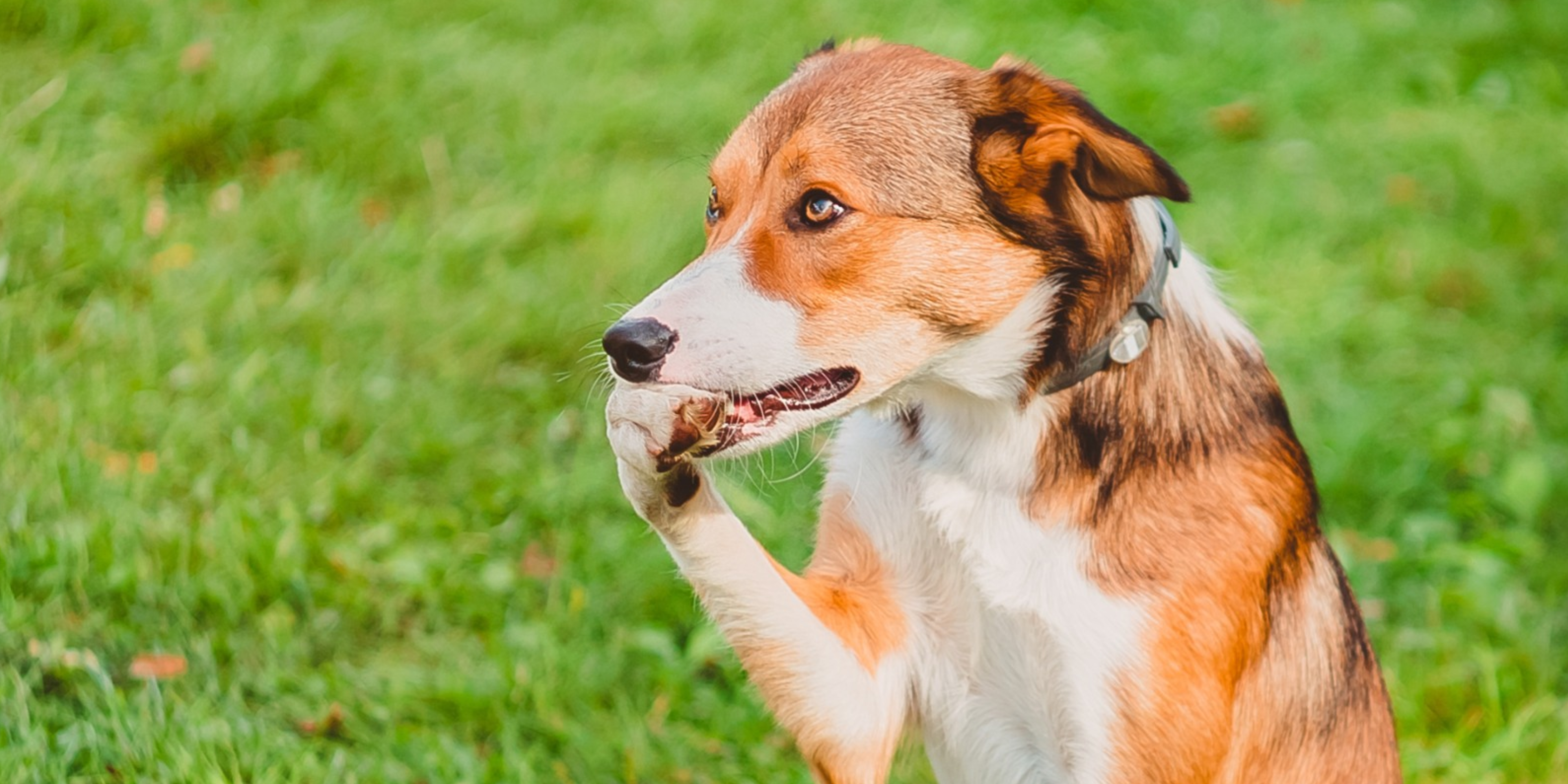
If you've noticed your dog constantly chewing, licking, or biting their feet, you're not alone. Paw chewing is one of the most common concerns among dog owners, and while occasional licking is normal, excessive chewing is usually a sign that something needs attention.
Dogs chew their feet for many reasons, including allergies, skin irritation, injuries, parasites, boredom, anxiety, and even dietary deficiencies. Identifying the underlying cause is the first step toward helping your dog feel comfortable again.
This guide explains the most common reasons dogs chew their feet, how to identify warning signs, and practical ways to stop the behavior. We'll also discuss how long-lasting natural chews from Ugly Chews can provide healthy mental stimulation while reducing boredom-related paw chewing.
Why Do Dogs Bite and Lick Their Paws? Common Medical Triggers
Before assuming your dog is simply bored, it's important to rule out medical issues. Many cases of excessive paw chewing begin with physical discomfort.
Environmental Allergies
Environmental allergies are among the leading causes of paw chewing. Grass pollen, mold, dust mites, and seasonal allergens can irritate the skin between your dog's toes.
Common symptoms include:
-
Constant licking after walks
-
Red or inflamed paw pads
-
Swollen toes
-
Frequent scratching
-
Ear infections
If symptoms worsen during certain seasons, allergies may be the primary culprit.
Food Allergies
Some dogs develop sensitivities to proteins such as chicken, beef, dairy, or grains. Food allergies often affect the paws before other areas of the body.
Signs include:
-
Persistent foot licking
-
Recurring skin infections
-
Digestive upset
-
Itchy ears
-
Hair loss around the paws
Consult your veterinarian if food allergies are suspected.
Yeast and Bacterial Infections
Warm, moist paws create an ideal environment for yeast and bacteria.
Watch for:
-
Brown staining from saliva
-
Strong odor
-
Greasy skin
-
Inflamed toes
-
Excessive chewing
Early treatment helps prevent secondary infections.
Parasites
Fleas, mites, and ticks can trigger intense itching. Even a single flea bite may cause prolonged irritation in sensitive dogs.
Regular parasite prevention is essential.
Injuries and Foreign Objects
Dogs often step on:
-
Thorns
-
Burrs
-
Small rocks
-
Glass
-
Hot pavement
-
Ice melt chemicals
Even a tiny splinter can cause continuous chewing until removed.
The Psychology Behind Paw Chewing: Chronic Boredom and Separation Anxiety
Not every dog chews their feet because of a medical condition. Emotional health plays an equally important role.
Dogs are intelligent animals that require daily physical exercise and mental enrichment. Without enough stimulation, they often redirect their energy into repetitive behaviors like paw chewing.
Chronic Boredom
Dogs left alone for extended periods may develop habits such as:
-
Paw chewing
-
Furniture chewing
-
Digging
-
Barking
-
Tail chasing
Providing healthy alternatives helps redirect these behaviors.
One excellent solution is offering long-lasting raw hide chews for dogs during quiet periods. Quality chews encourage natural chewing instincts and keep dogs mentally engaged.
Separation Anxiety
Dogs experiencing separation anxiety may chew their feet shortly after their owner leaves.
Signs include:
-
Pacing
-
Whining
-
Destructive behavior
-
Excessive drooling
-
Paw licking
-
House accidents
If anxiety is severe, consult your veterinarian or a certified dog behaviorist.
Identifying the Warning Signs: How to Inspect Your Dog's Foot Pads
Regular paw inspections allow you to catch problems before they become serious.
Check your dog's paws every few days.
Look for:
Redness
Inflamed skin often indicates allergies or irritation.
Cuts or Abrasions
Small wounds may become infected if ignored.
Swelling
Swollen toes may signal infection, injury, or insect stings.
Foreign Objects
Carefully examine between the toes for:
-
Grass seeds
-
Burrs
-
Splinters
-
Pebbles
Cracked Paw Pads
Dry, cracked pads can be painful and encourage excessive licking.
Nail Problems
Broken or overgrown nails may also cause dogs to chew their feet.
If you notice bleeding, pus, or severe swelling, schedule a veterinary examination immediately.
How to Stop a Dog From Chewing Their Feet
The best way to stop your dog from chewing their feet is to identify what's causing the behavior. If your veterinarian has ruled out allergies, infections, or injuries, you can focus on reducing boredom, stress, and other lifestyle factors that often contribute to excessive paw chewing.
Keep Your Dog Mentally Engaged
Many dogs chew their paws simply because they don't have enough to do. Interactive toys, puzzle feeders, training sessions, and regular playtime can keep their minds occupied and reduce repetitive habits. Even adding a few short enrichment activities throughout the day can make a noticeable difference.
Give Them a Healthy Outlet for Chewing
Chewing is a natural instinct that helps dogs relieve stress and stay mentally stimulated. Instead of allowing them to focus on their paws, offer a safe, long-lasting chew that redirects their attention.
A rawhide roll is a great option for dogs that enjoy extended chewing sessions, while rawhide chips work well for lighter chewers or shorter enrichment breaks. If you're looking for a variety of natural options, Ugly Chews offers premium rawhide chews for dogs that encourage healthy chewing habits while helping keep your dog occupied.
When used as part of a balanced routine, these chews can reduce boredom and provide a positive outlet for dogs that tend to chew their feet out of habit.
Exercise Every Day
A dog with excess energy is more likely to develop repetitive behaviors like paw licking or chewing. Daily walks, games of fetch, scent work, and obedience training help burn both physical and mental energy, making your dog more relaxed throughout the day.
Keep Their Paws Clean and Comfortable
After walks, wipe your dog's paws to remove pollen, dirt, road salt, or lawn chemicals that may irritate the skin. Regularly inspect the paw pads for cuts, splinters, or cracked skin, and keep the nails trimmed to prevent discomfort.
Reduce Anxiety and Stress
Some dogs chew their feet when they're anxious or left alone for long periods. Creating a predictable daily routine, providing enrichment before you leave the house, and rewarding calm behavior can help reduce stress-related paw chewing over time.
Treat the Underlying Cause
If your dog's paw chewing continues despite environmental changes, don't ignore it. Persistent licking can be a sign of allergies, infections, parasites, or pain that requires veterinary treatment. Addressing the root cause is the most effective way to stop the behavior and prevent future flare-ups.
When Should You See a Veterinarian?
Seek veterinary care if your dog:
-
Chews until the paws bleed
-
Has swollen or infected feet
-
Develops a foul odor
-
Suddenly begins excessive chewing
-
Walks with a limp
-
Shows signs of pain
-
Stops eating or becomes lethargic
Early diagnosis leads to faster recovery and prevents long-term skin damage.
Preventing Paw Chewing Before It Starts
Preventive care is the easiest way to protect your dog's paws.
Build healthy daily habits by:
-
Checking paws after outdoor walks
-
Keeping nails trimmed
-
Cleaning paws regularly
-
Maintaining flea prevention
-
Feeding a balanced diet
-
Providing daily exercise
-
Offering enriching toys and safe natural chews
-
Scheduling routine veterinary checkups
Dogs that receive both physical exercise and mental stimulation are far less likely to develop compulsive chewing behaviors.
Long-lasting chews from Ugly Chews, including raw hide chews, rawhide roll, and rawhide chips, can become part of a well-rounded enrichment routine that keeps your dog occupied while satisfying their natural chewing instincts.
Final Thoughts
Occasional paw licking is perfectly normal, but persistent chewing is usually your dog's way of communicating discomfort or stress. Whether the cause is allergies, infection, injury, boredom, or anxiety, identifying the underlying reason is essential for effective treatment.
Regular paw inspections, proper grooming, daily exercise, and mental enrichment can dramatically reduce repetitive paw chewing. Safe, long-lasting dog chews from Ugly Chews offer an excellent outlet for natural chewing instincts, helping redirect attention away from the paws while promoting healthy engagement.
By combining veterinary care when needed with preventive habits and appropriate enrichment, you can help your dog stay comfortable, active, and free from excessive paw chewing.
Frequently Asked Questions
1. Why is my dog suddenly chewing their feet raw?
Sudden paw chewing is commonly caused by allergies, insect bites, injuries, infections, or something lodged between the toes. If your dog is chewing until the skin becomes raw or starts bleeding, schedule a veterinary examination as soon as possible to identify and treat the underlying cause.
2. Can environmental allergies cause a dog to bite their paws?
Yes. Environmental allergens such as pollen, grass, mold, and dust mites frequently cause itchy paws. Dogs often respond by licking, chewing, and biting their feet, especially after spending time outdoors during allergy seasons.
3. How do I stop my dog from licking and chewing their feet at night?
Start by checking for injuries, irritation, or infections. Increase daily exercise, establish a calming bedtime routine, and provide safe enrichment such as rawhide chews for dogs, a rawhide roll, or other long-lasting natural chews from Ugly Chews to help reduce boredom and anxiety before bedtime.
4. Why do dogs lick their paws until they turn pink or brown?
Excessive licking causes saliva staining, which often turns white fur pink, reddish-brown, or brown. This usually indicates chronic licking due to allergies, yeast infections, anxiety, or skin irritation rather than the discoloration itself being the primary problem.
5. What treats and dog chews can stop a dog from biting their paws?
Long-lasting natural chews can redirect chewing behavior caused by boredom or mild anxiety. Options such as raw hide chews, rawhide chips, and a rawhide roll from Ugly Chews provide mental stimulation and satisfy natural chewing instincts. However, if medical issues are causing the paw chewing, veterinary treatment should always come first.


