

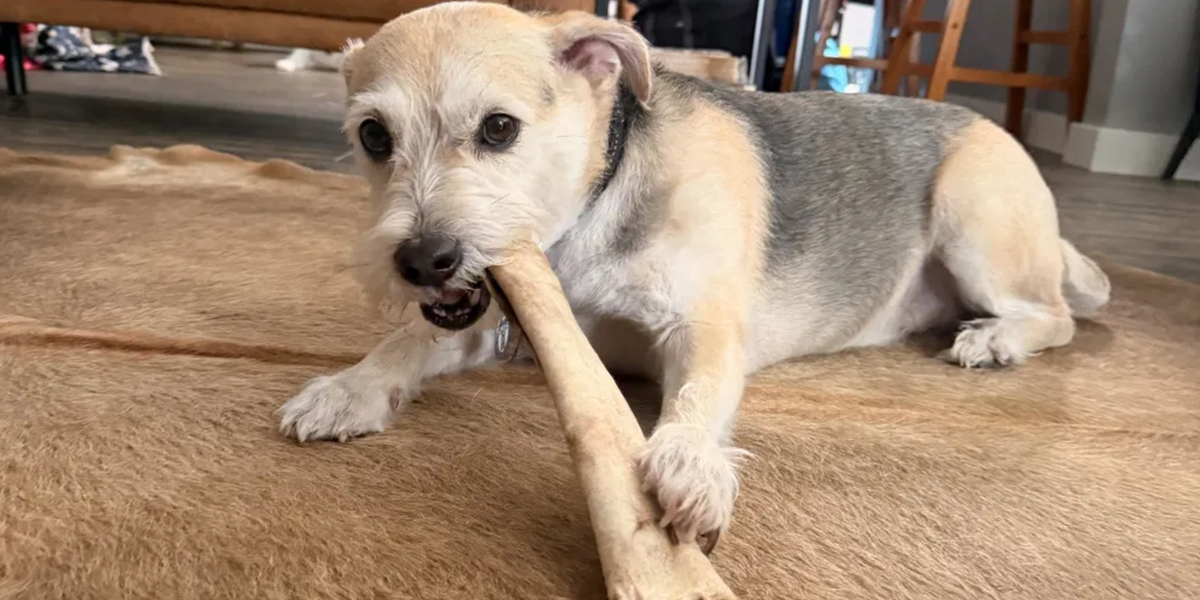
A chew can look simple on the outside while having a very different story behind it.
When you pick up a dog chew, the shape, color, and size are usually the first things you notice. But those details do not tell you how the chew was made. For pet owners, the more useful questions are: Was the hide split? How was it cleaned? Were additives used? How thick is it? And will it suit the way my dog chews?
That is why understanding processing matters. Two chews can look similar on a store shelf but have very different textures and chewing behavior. Here, in this guide, we are discussing the processing differences that every buyer should know about before picking the rawhide bones for dogs. If you are curious about knowing, stay with us till the end.
Processing Changes the Whole Chew
The word “rawhide” does not tell you everything about a product. Processing can change the hide before it becomes a bone, roll, twist, or another familiar shape.
Traditional commercial rawhide is commonly processed and formed into different shapes. The hide may be cleaned, treated, split, shaped, and processed for consistency. The exact process varies by manufacturer, so checking the ingredient and product information is important.
A less processed whole-hide chew takes a different approach. Instead of turning the hide into a thin sheet and rebuilding it into a shape, the natural thickness of the hide can be retained.
That difference affects several things:
-
Thickness
-
Texture
-
Firmness
-
How the chew softens
-
How long it may last
-
What pieces can come loose during chewing
So, the shape on the shelf should not be the only thing you compare.
Why Splitting the Hide Matters
Here is one detail many buyers overlook: splitting.
A whole hide has natural thickness. When a hide is split, a thinner layer is separated from the original material. That thinner material can then be processed and shaped into familiar chew forms.
For a buyer, this creates an important question: What part of the original hide am I actually getting? A whole-hide chew keeps more of the original structure. That can make a noticeable difference for dogs that like to work on a chew rather than finish it quickly.
With Ugly Chews, Hair-On Hide Rolls are made from full-thickness beef hide and are not split. They are hand-cut and rolled before being dried. This is not just a marketing detail. It explains why the chew has a different feel from a thin, highly processed product.
What Processing Can Add
Processing is not automatically bad. Some steps are necessary to prepare animal-based products for safe use and storage. The important point is knowing which steps are used and why.
When comparing chews, look for clear information about:
|
What to Check |
Why it matters |
|
Main ingredient |
Tells you what the chew is actually made from |
|
Hide thickness |
Helps you understand the chew’s physical structure |
|
Processing method |
Shows how much the original material has been changed |
|
Added ingredients |
Helps you identify colors, flavors, binders, or preservatives |
|
Sourcing |
Gives you more information about where the material comes from |
|
Size options |
Helps match the chew to your dog’s size and chewing style |
A company that clearly explains its process gives you more useful information than a product that only uses words such as “natural” or “premium.”
Whole Hide Has a Different Texture
Texture is one of the first things your dog will notice.
A thin processed chew can become soft fairly quickly as a dog works on it. A thicker whole-hide chew behaves differently. It can soften during chewing without immediately losing all of its structure.
Ugly Chews describes its Hair-On Hide Rolls as one-ingredient beef hide, cleaned with water and dried using UV light and sunlight. The company also leaves the natural hair attached and rolls it toward the inside of the chew.
For dogs that enjoy longer chewing sessions, that physical difference can be important. It also means the chew may not behave like a conventional rawhide-shaped bone. Instead of judging it by appearance, consider how the material responds to your dog's bite.
Size Matters More Than Appearance
Even a well-made chew is not automatically suitable for every dog.
Your dog's weight and chewing style should guide the size you choose. A small chew may be inappropriate for a powerful chewer because it can become small enough to swallow sooner.
The Hair-On Hide Rolls are offered in three approximate sizes:
-
Small: about 4–6 inches for dogs up to 15 pounds
-
Medium: about 8–10 inches for dogs around 15–25 pounds
-
Large: about 12 inches for dogs 25 pounds and above
These measurements are approximate because natural hides vary in thickness.
Compare Chews Beyond Their Shape
It is easy to compare a bone with another bone because they look similar. That can lead buyers to overlook the material underneath.
Instead, use a simple checklist:
-
Read the ingredient list. Look for a clear description of the main material.
-
Check the processing information. Find out how the hide is cleaned and prepared.
-
Ask whether it is whole or split. This can tell you a lot about its structure.
-
Look at the available sizes. Make sure they match your dog's weight and chewing habits.
-
Read the feeding instructions. Good products should explain how they should be used.
-
Check the company's transparency. Clear sourcing and manufacturing details are useful signs for buyers.
This approach gives you more information than judging a chew by its shape or packaging alone.
What Buyers Should Remember
The most significant lesson is simple: a dog chew's shape does not tell you how it was processed. When comparing rawhide bones for dogs, look beyond the familiar bone shape. Ask what part of the hide was used, whether it was split, how it was cleaned, what components were added, and how thick the finished chew is.
In contrast to a thin processing rawhide product, a whole-hide product requires an additional production procedure. The chewing sensation, durability, and texture may all be impacted by this variation.
Ugly Chews' Hair-On Hide Rolls are centred around that distinction. This material is made with a single component: a thickly trimmed cowhide, hand-cut, and UV- and water-dried. The key takeaway for a consumer is not that a single label ensures that every chew is suitable for every dog. It says that you can make better decisions if you are aware of how a chew is created.
Frequently Asked Questions
Do rawhide bones come from whole bones?
Not necessarily. Different manufacturers use different processes. Thinner split hides make thinner chews, and thicker hides make thicker chews. Always read the manufacturer's description.
Will processing change a dog's chew?
Yes. The thickness, texture, firmness and structure of a chew can be altered through processing. This is why it’s important to distinguish between two products containing animal hide and how each reacts when chewed by a dog.
What is the appropriate chew size?
Look at your dog's size and chewing habits. Bigger sizes are recommended for strong or fast chewers. When allowing your dog to chew, always size it according to the manufacturer's recommendations and supervise your pet.
Do dogs need to be supervised when chewing?
Yes. Supervision is a key aspect of good chew usage. Take out small chunks that are getting chewed up and terminate the chew if your dog is chewing large chunks.
What makes whole-hide chews different?
Whole-hide chews are thick, natural splits, rather than using a thin split layer. This can give them a different texture and chew. Final characteristics will still be dependent on the sourcing and preparation of the product.
Choose the Chew Behind the Shape
Next time you see a bone-shaped dog chew, look past the shape. Ask what is underneath it.
If you want a chew made from full-thickness beef hide rather than a thin, rebuilt form, explore the Hair-On Hide Rolls from Ugly Chews and review the sizing and feeding guidance before choosing an option for your dog. A better chew decision starts with knowing what you are actually buying.


