

When choosing a chew for your dog, it is natural to wonder whether natural dog chews are better than synthetic alternatives. Dogs have an instinctive need to chew, and the right chew can provide mental stimulation while supporting healthy chewing habits. However, not every chew is suitable for every dog.
In general, natural dog chews can be a great choice because many are made from animal-based ingredients with fewer manufactured materials. They may also provide an enjoyable texture, flavor, and chewing experience. Synthetic chews, on the other hand, are often designed for durability and can be useful for dogs that quickly destroy softer treats.
The best option ultimately depends on your dog's size, age, chewing strength, and individual needs.
What Are Natural Dog Chews?
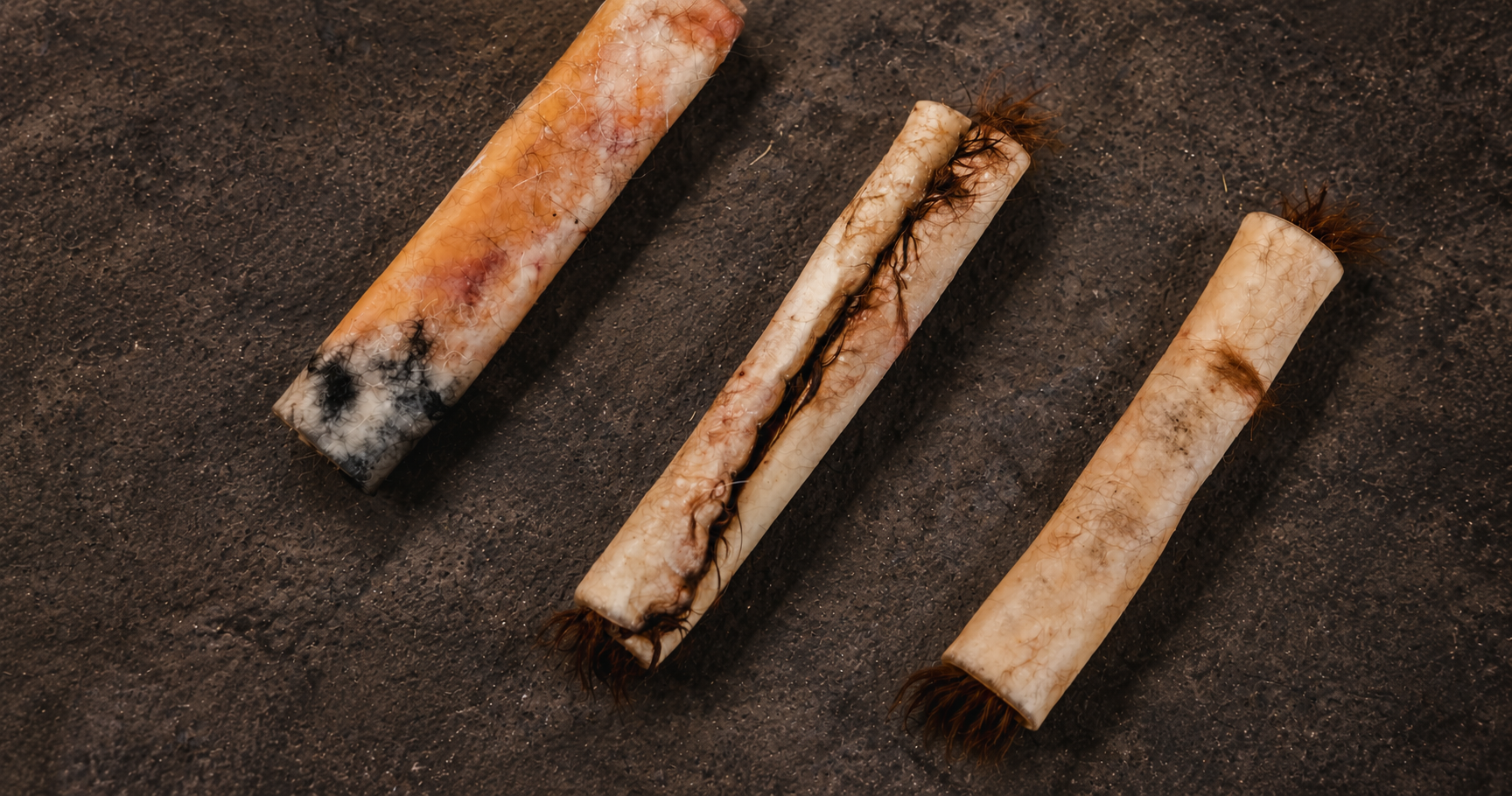
Natural dog chews are made from naturally sourced ingredients rather than primarily manufactured plastics or synthetic materials. Depending on the product, they may include animal-based ingredients such as beef hide, tendons, ears, or other chewable parts.
One of the biggest advantages is that natural chews can provide dogs with an engaging chewing experience. The texture and natural aroma can encourage dogs to spend more time working on the chew.
For pet owners looking for a simple ingredient profile, natural chews can also make it easier to understand what their dog is consuming. However, "natural" does not automatically mean risk-free. Some extremely hard natural products, including certain bones, antlers, and hooves, may be hard enough to damage teeth.
Are Natural Dog Chews Easier to Digest?
Digestibility depends on the specific chew, its ingredients, how it is processed, and how much the dog consumes. Some natural chews can be easier for dogs to break down than certain synthetic materials, particularly when small pieces are swallowed.
However, dogs should never be encouraged to swallow large chunks of any chew. A piece that is too large can become a choking hazard or potentially cause a digestive obstruction.
This is why choosing the appropriate size is important. A chew should be large enough that your dog cannot easily swallow it whole. Once a natural chew becomes small enough to swallow, it should be removed.
Natural Dog Chews and Dental Health
Chewing can provide mechanical action against the teeth, which may help remove some surface debris. Certain textured natural chews can therefore complement a dog's regular dental-care routine.
However, chews should not be considered a replacement for professional veterinary dental care or routine tooth brushing. Extremely hard products can create another concern: tooth fractures.
The goal should be to choose a chew that provides an appropriate amount of resistance without being excessively hard. If you cannot make a small impression in a chew with reasonable pressure, it may be too hard for some dogs.
Mental Stimulation From Chewing
One important benefit of chewing is mental engagement. Dogs naturally enjoy investigating different smells, textures, and flavors, and an appropriate chew can give them a productive activity.
A dog that spends time working on a chew may be more occupied than one that has nothing appropriate to chew. This can be particularly useful for dogs that enjoy chewing furniture, shoes, or other household objects.
For chew chew dog searches and products, owners should focus less on simply finding the hardest option and more on finding a chew that matches their dog's chewing style.
How Do Synthetic Dog Chews Compare?
Synthetic chews are manufactured from materials such as nylon, rubber, or other durable compounds. Their major advantage is longevity. A strong chewer may destroy a soft natural chew quickly, while a durable synthetic chew may last much longer.
This makes synthetic options appealing to owners of powerful chewers.
However, synthetic chews also require supervision. Dogs can sometimes break off pieces, especially as the product becomes worn. Swallowed fragments may create choking or digestive concerns.
The material itself also matters. Pet owners should select products designed specifically for dogs and follow the manufacturer's size and usage recommendations.
Which Is Safer: Natural or Synthetic?
There is no universal answer because safety depends heavily on the individual chew and the dog using it.
Natural chews may be preferable for owners who want an edible chewing option with a straightforward ingredient profile. Synthetic chews may be preferable when durability is the primary concern.
The safest choice is one that is appropriately sized, not excessively hard, made for dogs, and used under supervision.
It is also important to inspect a chew regularly. Discard it if it develops sharp edges, becomes dangerously small, cracks, splinters, or starts breaking into pieces that your dog could swallow.
What About Rawhide?
Traditional rawhide deserves special consideration. Some rawhide products can be difficult for dogs to digest, particularly when large pieces are swallowed. Dogs that aggressively tear and gulp chews may be at greater risk of swallowing unsuitable pieces.
Instead of automatically choosing rawhide because it is a familiar product, consider other appropriately processed natural options and evaluate the chew based on your dog's chewing behavior.
No chew should be left with a dog without supervision simply because it is labeled natural.
Choosing Natural Chews for Different Dogs
Your dog's size and chewing style should guide your decision.
Small dogs: Choose appropriately sized chews that they can comfortably handle without attempting to swallow whole.
Large dogs: Larger, durable chews may provide a more suitable chewing experience, but they should still not be excessively hard.
Puppies: Puppies have developing teeth, so avoid extremely hard chews. Select age-appropriate products and supervise closely.
Power chewers: Strong chewers may require durable options, but durability should never come at the expense of safety.
Senior dogs: Older dogs may have different chewing abilities and dental needs, so softer, appropriately textured options may be more suitable.
Why Choose Ugly Chews?
If you are looking for natural chewing options, Ugly Chews can be considered as a source for thoughtfully selected dog chews. We recommend choosing products according to your dog's size, chewing habits, and ability to handle the texture safely.
Rather than assuming that the hardest or longest-lasting chew is automatically the best, focus on an appropriate balance between enjoyment, durability, ingredients, and safety. Always monitor your dog while chewing and remove any product that becomes small, damaged, or unsafe.
Natural vs. Synthetic Dog Chews: Which Should You Choose?
Natural and synthetic chews both have advantages. Natural options can provide an appealing taste and texture while fitting the preferences of owners who want naturally sourced ingredients. Synthetic products can offer greater durability for dogs that are determined chewers.
For many owners, the best approach is not to ask whether every natural chew is better than every synthetic chew. Instead, consider the specific chew and the specific dog.
Choose an appropriate size, avoid excessively hard products, monitor chewing behavior, and replace damaged chews promptly. These simple steps can make chewing safer and more enjoyable.
Frequently Asked Questions
1. Are natural dog chews better than synthetic ones?
Natural dog chews can be a good choice because many offer naturally sourced ingredients and an enjoyable chewing experience. However, safety depends on the individual product, its hardness, size, and the dog's chewing behavior.
2. Are synthetic dog chews safe for dogs?
Some synthetic chews are designed specifically for dogs and can be useful for strong chewers. They should still be inspected regularly and removed if pieces begin breaking off or the chew becomes damaged.
3. What are the safest natural dog chews?
The safest choice depends on your dog's age, size, chewing strength, and dental condition. Avoid excessively hard products and choose appropriately sized chews that your dog cannot easily swallow whole.
4. Can natural dog chews help clean a dog's teeth?
Chewing may provide some mechanical cleaning by helping remove surface debris. However, natural chews should complement, rather than replace, regular dental care and veterinary examinations.
5. Should I supervise my dog with a natural chew?
Yes. Dogs should be supervised with edible and non-edible chews. Remove the chew if it becomes small enough to swallow, develops sharp pieces, breaks apart, or otherwise becomes unsafe.


