

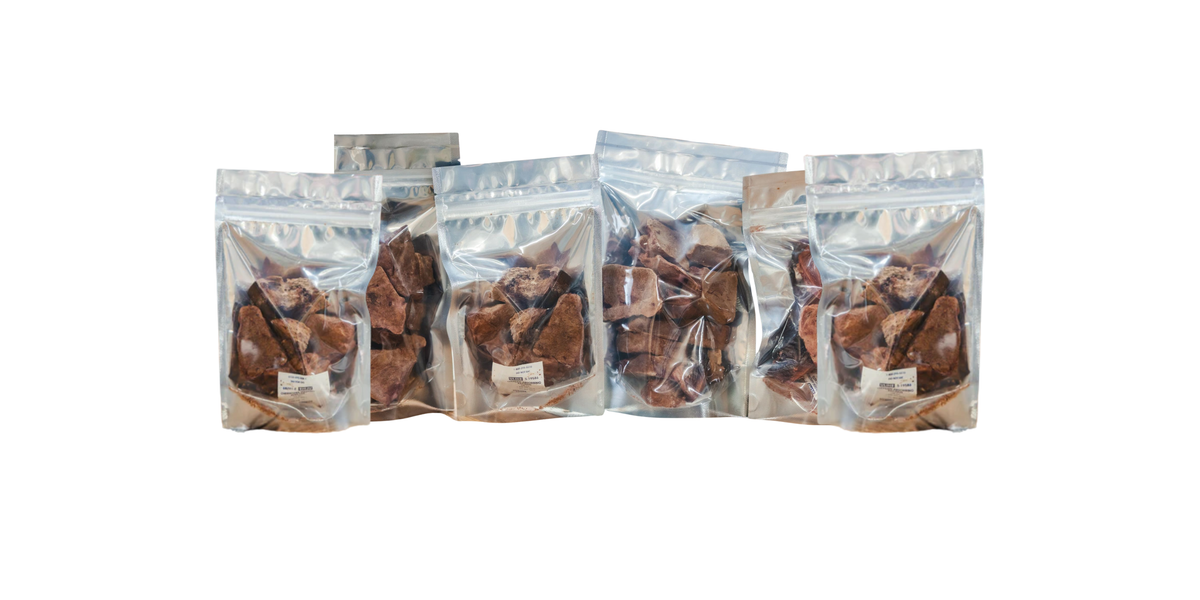
When it comes to awarding our dogs, every pet parent wants treats that are both succulent and nutritional. At Ugly Chews, we believe treats should support your canine’s health, not compromise it. That’s why numerous canine possessors today are switching to indurate-dried options, especially liver treats. But questions remain: are freeze dried liver treats good for dogs, or should you avoid them altogether?
Let’s take a closer look at the benefits, safety guidelines, and tips for choosing the right freeze-dried liver treats for dogs.
What Are Freeze-Dried Liver Treats?
The freeze-dried liver treats are prepared in a slow process that removes moisture content inside the raw liver at extremely low temperatures. However, unlike other cooking procedures that may end up destroying nutritional value, freeze drying is known to conserve the natural nutrients of fresh meat. These snacks are easy to carry and contain a high amount of protein, and dogs, due to their inherent taste and smell, find them very attractive.
The treats of high quality tend to be made with only one ingredient, such as real liver, without preservatives, artificial colours, or fillers. The Ugly Chews team takes care to preserve nutrients during processing. As a result, the best healthy treats for dogs can provide essential vitamins and minerals in their most natural forms.
Are freeze-dried liver treats good for dogs?
This is a common question among pet parents, and many struggle to find a clear answer. In reality, freeze-dried liver treats offer several nutritional benefits when given responsibly.
1. Packed with Essential Nutrients
Liver is naturally rich in vitamins and minerals, including vitamin A, vitamin B12, iron, and copper, which help support your dog’s overall health and vitality.
2. Excellent Source of Protein
High-quality protein helps maintain muscle health and keeps dogs active, making these treats ideal for training and daily rewards.
3. Minimal Processing
Due to preservation of nutrients in freeze-drying, the treated foods are very close to raw food and do not contain chemical preservatives.
4. Perfect Training Reward
Dogs are fond of the powerful aroma and the flavour, and this makes them the best with regard to training through positive reinforcements.
Are Freeze Dried Liver Treats Bad for Dogs?
This treat is not good in some specific situations that are given below.
Potential Risks to Know:
-
Overfeeding Problems: The liver treat is overly nutritious. So using it in the right measurement is important. Otherwise, overconsumption can cause constipation.
-
Vitamin A Excess: It is naturally found in the liver in copious quantities. Excessive intake of vitamin A over a long period can become harmful and may lead to joint discomfort or abnormal bone development.
-
Sensitive Stomachs: Some dogs can suffer from slight stomach upsets if introduced too quickly.
The most important lesson of veterinary advice is quite obvious: the doses must be taken with meals rather than without them.
Freeze-Dried vs Dried Liver Treats
It's also important to separate freeze-dried and dried liver treats because, although analogous, they aren't the same. Dried liver treats are dried using heat, which compromises their nutritive value and makes them harder and less digestible for tykes.
The freeze-drying system retains the texture and nutritive value of the treat more completely, making it a lighter and far more affable treat that crumbles fluently and is easier to break into pieces for youngish dogs and smaller breeds.
How to Choose the Best Freeze Dried Liver Treats for Dogs
Not every treat is made equal. In choosing the products, we suggest the following:
- Single-ingredient recipes
- Clearly sourced meat
- No artificial preservatives
- Proper airtight packaging
- Quality testing and safety standards
Ugly Chews prioritise transparency and premium sourcing, so pet parents know exactly what they’re feeding their dogs.
Safe Feeding Tips from Ugly Chews
To keep treats healthy and beneficial:
- Use as rewards, not meals
- Break into small pieces for training
- Introduce gradually
- Follow portion guidelines based on dog size
- Always provide fresh water
The Ugly Chews Promise Behind Freeze-Dried Treats
We stand by one belief: real ingredients create better treats. Our frozen liver treats are made to provide your dog with practical health benefits while maintaining natural nutrition. They can become a healthy and dependable reward option with careful feeding and high-quality sourcing.
Conclusion
Liver treats, done appropriately, are one of the most useful tools in a dog owner's kit. It is high-value, nutritious, and genuinely motivating for almost every dog. The method of processing is what separates a treat worth buying from one that just borrows the liver's good reputation.
The right freeze-dried liver treats have one ingredient, a transparent process, and no chemical shortcuts. That is exactly what we set out to make at Ugly Chews. Explore our collection of freeze-dried liver bites and give your dog a treat they will look forward to every time.
FAQs:
Are dried liver treats bad for dogs?
No, when consumed in temperance, dried liver treats are not dangerous. Because of the close attention to nutrients, overfeeding may lead to digestive problems or a vitamin imbalance.
How many liver treats that have been snap-dried can a dog eat each day?
Treats should typically account for no more than 10% of your dog's daily caloric intake, depending on size and exertion level.
Can dogs benefit from freeze-dried beef liver treats?
Indeed, because they have been carefully repurposed to preserve natural nutrients and are devoid of artificial complements, these liver treats are especially nutrient-rich.
Are dried liver treats good for dogs?
Indeed. When used as periodic treats, they offer high-quality protein and vital vitamins that support immunity, energy, and muscle conservation.


