

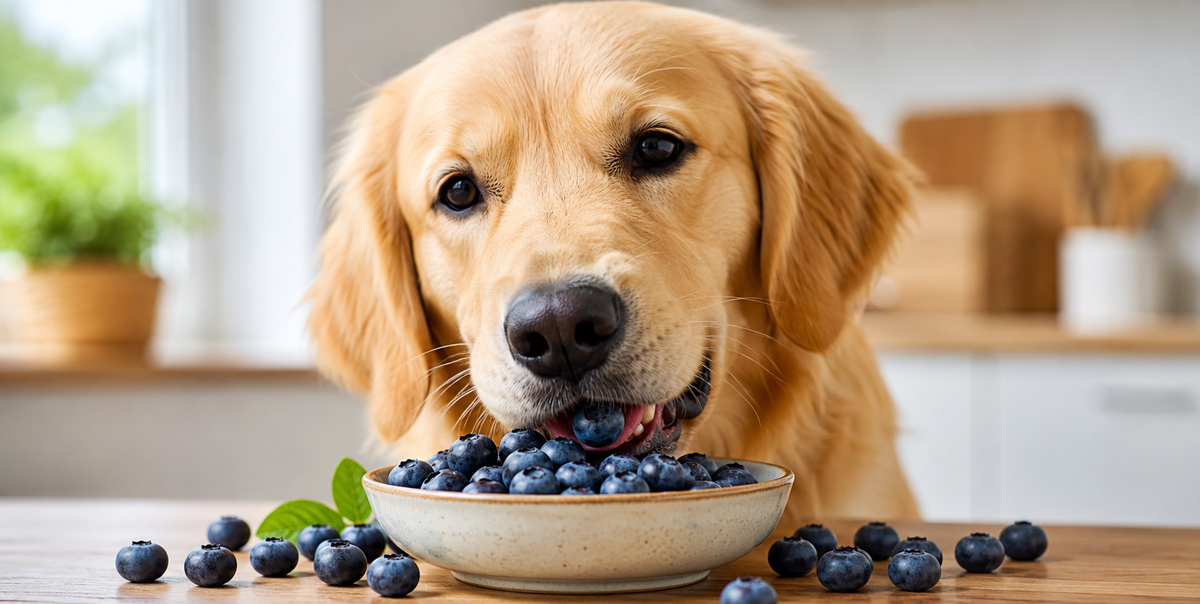
Yes, most dogs can eat plain blueberries in moderation. Start with 1–2 berries for small dogs, 2–4 for medium dogs and 4–6 for large dogs, and keep all treats under 10% of daily calories.
If your dog begs whenever you reach for a bowl of blueberries, you may wonder if sharing is safe. It is, for most dogs. Blueberries are low in calories and contain antioxidants, fiber and vitamins, which makes them a handy occasional snack. But fruit is only one part of a good treat routine. Many pet parents also pair small fruit rewards with natural dog chews, which satisfy a dog's urge to chew in a way a soft berry cannot. At Ugly Chews, we focus on exactly that: helping you choose treats that suit your dog's size, age and chewing style.
"A treat should fit the dog, not just the moment: the right size, the right texture and the right portion."
Are Blueberries Good for Dogs?
Yes. Plain blueberries are a healthy occasional treat for most dogs. They should complement a complete and balanced dog food, never replace it.
Antioxidants
Blueberries contain anthocyanins, the pigments behind their blue-purple color. Antioxidants help protect cells from oxidative damage, and canine nutrition research has explored their role in exercise and healthy aging. Keep expectations realistic, though: blueberries are a nutritious food, not a medical treatment.
Fiber, Vitamins and Minerals
Blueberries provide dietary fiber plus small amounts of vitamin C, vitamin K and potassium. Dogs get what they need from complete dog food, so berries add variety rather than essential nutrition. Too much fiber too fast can cause gas or loose stools.
Low in Calories
Fresh blueberries contain about 57 calories per 100 grams, lighter than many processed treats. Calories still add up, so count berries toward your dog's daily treat allowance.
How Many Blueberries Can a Dog Eat?
There is no single ideal portion. Begin with one or two berries and watch how your dog responds. This is a conservative starting guide, not a veterinary-prescribed allowance.
|
Dog size |
Suggested starting portion |
|
Small dogs |
1–2 blueberries |
|
Medium dogs |
2–4 blueberries |
|
Large dogs |
4–6 blueberries |
Follow the 10% Treat Rule
Treats and extras, including fruit, training rewards, chews and table scraps, should total no more than about 10% of daily calories. If your dog is overweight or on a therapeutic diet, ask your veterinarian for a calorie allowance.
How to Feed Blueberries to Dogs Safely
Step-by-step
-
Wash thoroughly under running water and discard any moldy or damaged fruit.
-
Serve plain. No sugar, syrup, sweeteners or seasoning.
-
Adjust the size. Mash or halve berries for tiny dogs, puppies and gulpers, and supervise eating.
-
Introduce gradually. Offer one or two berries and watch for vomiting, diarrhea, gas or itching.
-
Change one thing at a time so you can spot the cause of any reaction.
Fresh, Frozen, Dried or Canned: Which Is Best?
-
Fresh: The best option for most dogs. Easy to portion and free of additives.
-
Frozen: Fine when plain. Let them soften first, especially for small, senior or dental-sensitive dogs.
-
Dried: Water removal concentrates sugar, and some products add sugar or oils. Use sparingly and check labels.
-
Canned in syrup: Avoid. The added sugar is not suitable for dogs.
Blueberry Foods to Avoid
Plain berries are not the same as blueberry-flavored human foods. Skip muffins, jam, pie and sweetened yogurt, which are high in sugar and fat. Never feed chocolate-covered blueberries, and check "sugar-free" products for xylitol, which can cause life-threatening poisoning in dogs. If your dog eats xylitol or chocolate, call a veterinarian or animal poison service immediately.
Are There Risks to Feeding Blueberries?
Plain blueberries are generally safe, but keep these in mind:
-
Digestive upset: Too many can cause gas, loose stools or diarrhea.
-
Choking: Whole berries can be a hazard for small dogs and puppies.
-
Extra calories and sugar: Important for dogs with diabetes or weight concerns.
-
Individual sensitivity: Facial swelling, difficulty breathing or collapse need emergency veterinary care.
Talk to your veterinarian first if your dog has diabetes, kidney disease, a history of pancreatitis, food allergies or a prescribed diet.
Can Puppies Eat Blueberries?
Yes, in small amounts once they eat solid food. Start with one mashed or finely cut berry, introduce one new food at a time, and keep complete puppy food as the foundation of the diet.
Healthier Treat Alternatives: Why Natural Dog Chews Stand Out
Blueberries are a snack. Chewing is a different need. Dogs chew to relax, stay occupied and satisfy natural instinct, and fruit is gone in seconds. That is where natural dog chews come in.
"Choosing a chew is about matching size, hardness and chewing style to the individual dog."
Why Pet Parents Choose Ugly Chews
Ugly Chews specializes in natural dog chews, so we know how much detail matters. When you shop with us, you can compare products by size and chewing style, read the ingredient list and feeding guidance, and build a routine that fits your dog's age and needs. Browse the Ugly Chews range to find a chew that suits your dog.
How to Choose a Safe Chew
-
Pick a size and shape that matches your dog's body and chewing habits.
-
Read the ingredients and feeding instructions.
-
Supervise every chewing session and provide fresh water.
-
Remove any chew small enough to swallow whole.
-
Avoid chews so hard they could damage teeth.
-
Count edible chews toward daily calories.
Natural does not automatically mean risk-free, so supervision always matters.
Blueberries vs. Natural Dog Chews
|
Category |
Blueberries |
Natural dog chews |
|
Best for |
Occasional snack or small reward |
Supervised chewing time |
|
Texture |
Soft fresh, firmer frozen |
Varies by product |
|
Main considerations |
Choking, digestion, calories |
Hardness, choking, ingredients, calories |
You do not have to choose. Offer a couple of berries during a training session and save an Ugly Chews product for a separate, supervised chewing break.
Other Simple Treat Ideas
Seedless apple pieces, plain cucumber, cooked unseasoned vegetables and your dog's regular kibble all work well as small rewards.
Final Verdict
Most dogs can enjoy plain blueberries in moderation. Wash them, start small, adjust the size to your dog and avoid sweetened or processed blueberry products. For long-lasting enrichment beyond a quick snack, explore natural dog chews from Ugly Chews and pick the one that fits your dog's size, chewing style and dietary needs.
Frequently Asked Questions
1. Can dogs eat blueberries every day?
Most healthy dogs can have a few plain blueberries regularly if they fit within the daily calorie allowance, but daily feeding is not necessary. Check with your veterinarian if your dog has a medical condition.
2. How many blueberries can a dog eat in one day?
It depends on size, health and diet. Start with one or two berries and keep all treats within about 10% of daily calories.
3. Can puppies eat blueberries safely?
Yes, in small amounts once they eat solid food. Mash or cut the berries and keep complete puppy food as the base diet.
4. Are frozen blueberries safe for dogs?
Yes, when plain. Let them soften first if your dog is small or has sensitive teeth, and supervise.
5. What can I give my dog instead of blueberries?
Try plain cucumber or seedless apple, or offer a suitable natural dog chew from Ugly Chews for dogs who love to chew. Always check ingredients, choose the right size and supervise.


