
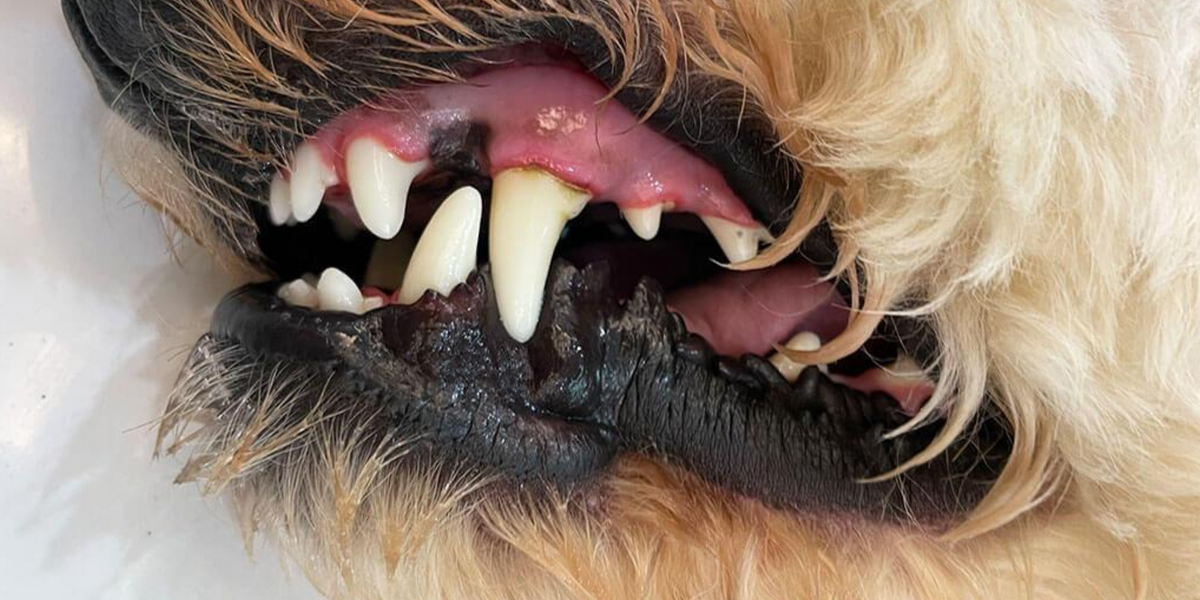
Dog teeth loss can be a normal part of growing up, but it can also signal dental disease, an injury, or another health problem. If you have noticed a tiny tooth on the floor, a little blood on your puppy's chew toy, or a gap in your adult dog's smile, knowing the difference between normal and abnormal tooth loss is essential.
Puppies typically lose their baby teeth as their adult teeth develop, while adult dogs should generally keep their permanent teeth throughout their lives. Age, dental hygiene, chewing habits, and underlying health conditions can all influence a dog's oral health. Understanding these factors helps you make better decisions about dental care, feeding, and choosing appropriate chewing products.
At Ugly Chews, we believe responsible dog care starts with understanding your dog's natural behaviors and everyday needs. From choosing suitable natural dog chews to recognizing when professional dental care is necessary, this guide explains five important things every dog owner should know about dog teeth loss.
1. Puppy Teeth Loss Is Usually a Normal Part of Development
One of the most common reasons for dog teeth loss is the natural transition from puppy teeth to permanent adult teeth. Like human children, puppies develop temporary teeth that eventually fall out as their adult teeth emerge.
Puppies are generally born without visible teeth. Their deciduous, or baby, teeth begin to erupt at around two to three weeks of age. By approximately six to eight weeks, most puppies have their complete set of 28 baby teeth.
The transition to permanent teeth usually begins at around three to four months of age and continues over the following months. By approximately six to seven months, most puppies have developed their 42 permanent teeth.
What happens when puppies lose their baby teeth?
As permanent teeth develop beneath the gums, they gradually push against the roots of the baby teeth. The roots are absorbed, allowing the temporary teeth to loosen and fall out. This process creates room for the adult teeth to grow into position.
During this stage, you might notice:
-
Small baby teeth on the floor, in bedding, or near your puppy's food bowl.
-
Increased chewing or mouthing as the gums feel uncomfortable.
-
Mild gum sensitivity or occasional traces of blood on a toy.
-
Small gaps where baby teeth have fallen out.
-
Adult teeth beginning to appear behind or beside the remaining baby teeth.
Puppies frequently swallow their loose baby teeth while eating or playing. This is generally harmless, so you may never find every tooth your puppy loses.
How can you help a teething puppy?
Teething puppies benefit from supervision, suitable chew toys, and gentle handling. Choose products designed specifically for puppies, with an appropriate size and texture for their developing teeth.
Avoid pulling loose teeth yourself, even when a tooth looks ready to fall out. Forcing a tooth out can injure the gums or damage surrounding structures.
You should also check your puppy's mouth periodically. If a baby tooth remains beside an emerging adult tooth, or the gums become significantly swollen, painful, or infected-looking, arrange a veterinary examination. Retained baby teeth can interfere with adult tooth positioning and may contribute to crowding.
Puppy teeth loss is usually normal between approximately three and seven months of age. Tooth loss outside this developmental stage, especially in an adult dog, deserves closer attention.
2. Adult Dog Teeth Loss Is Not Usually Normal
Unlike puppies, adult dogs should not routinely lose their permanent teeth. If your mature dog has a missing tooth, a loose tooth, or a tooth that suddenly falls out, it is important to identify the cause.
Two of the most common reasons for adult dog teeth loss are periodontal disease and dental trauma.
Periodontal disease can damage the structures supporting teeth
Periodontal disease develops when plaque accumulates on the teeth and hardens into tartar. Bacteria in plaque can irritate the gums, leading to inflammation known as gingivitis.
Without appropriate dental care, inflammation may progress into periodontal disease. This more advanced condition can damage the tissues and bone that hold the teeth in place. As the supporting structures deteriorate, teeth may become loose and eventually fall out.
Signs of periodontal disease include:
-
Persistent bad breath.
-
Red, swollen, or bleeding gums.
-
Yellow or brown deposits on the teeth.
-
Difficulty chewing or dropping food.
-
Pawing at the mouth or avoiding facial contact.
-
Loose teeth, receding gums, or visible discomfort.
Dogs do not always show obvious signs of dental pain. A dog may continue eating despite having significant oral disease, so normal appetite does not rule out a dental problem.
Regular veterinary dental examinations help identify problems before they progress. Your veterinarian may recommend professional cleaning under anesthesia, dental X-rays, treatment of diseased teeth, or extractions when necessary.
Injuries can cause sudden tooth loss
Dental trauma can happen when a dog falls, collides with a hard object, chews something excessively hard, or experiences an accident involving the mouth.
An injured tooth may fracture, become displaced, or lose the support needed to remain in place. Even if a tooth does not fall out immediately, damage to its root or surrounding tissues can create problems later.
Contact your veterinarian if your dog suddenly loses a permanent tooth, breaks a tooth, develops facial swelling, or shows signs of mouth pain. A knocked-out permanent tooth is time-sensitive, so seek veterinary care immediately rather than waiting for symptoms to worsen.
Important distinction: A loose baby tooth in a teething puppy may be expected. A loose permanent tooth in an adult dog is a reason to arrange veterinary assessment.
3. Dog Teeth Loss Can Have Several Warning Signs
Dog teeth loss does not always happen without warning. In many cases, the mouth shows changes that can help you recognize a problem before a tooth falls out.
Knowing what to watch for is especially important because dogs often hide discomfort. Changes in eating habits or chewing behavior may be the first clues that something is wrong.
Common signs that deserve attention
Persistent bad breath: Strong, ongoing breath odor can indicate plaque accumulation, gum inflammation, infection, or another oral health issue. It should not automatically be dismissed as normal dog breath.
Bleeding gums: A small amount of blood can occasionally appear during puppy teething. However, repeated bleeding, spontaneous bleeding, or bleeding in an adult dog should be checked by a veterinarian.
Difficulty chewing: Your dog may chew on one side of the mouth, eat more slowly, drop kibble, or prefer softer food. These behaviors can indicate painful teeth or gums.
Loose, discolored, or broken teeth: Teeth that move, look unusually dark, or have visible cracks may require prompt dental evaluation.
Swollen face or mouth: Swelling near the jaw, beneath an eye, or around the muzzle may indicate an infection or injury. Seek prompt veterinary attention, especially if the swelling is painful or worsening.
Changes in behavior: Irritability, reduced playfulness, reluctance to have the head touched, or withdrawing from normal activities can sometimes be associated with oral discomfort.
When should you contact a veterinarian?
Seek urgent veterinary care if your dog has significant oral bleeding, facial swelling that is progressing, severe pain, difficulty breathing or swallowing, or a major mouth injury. Sudden loss of a permanent tooth also warrants immediate contact with a veterinarian.
For persistent bad breath, gum redness, difficulty eating, or a loose adult tooth without an obvious emergency, schedule an appointment promptly.
Do not try to diagnose the problem based on appearance alone. Veterinary examination, and sometimes dental imaging, may be needed to determine whether a tooth can be saved or requires treatment.
Bad breath, bleeding gums, loose adult teeth, difficulty chewing, and facial swelling are important warning signs that should not be ignored.
4. Your Dog's Chewing Habits and Dental Care Matter
Chewing is a natural behavior for dogs. It provides mental stimulation, satisfies an instinctive urge, and can help puppies manage the discomfort associated with teething. However, not every chew is appropriate for every dog, and chewing should never replace routine dental care.
Choose natural dog chews carefully
Natural dog chews come in a variety of forms, textures, and sizes. Some dogs enjoy animal-based chews, while others do better with appropriately designed chew toys or softer options.
When choosing a chew, consider your dog's age, body size, chewing strength, dental history, and tendency to swallow large pieces.
A few practical guidelines can help:
-
Match the chew to your dog's size. A chew should be large enough to reduce the risk of swallowing it whole and appropriate for your dog's chewing style.
-
Avoid excessively hard materials. Antlers, hard bones, and other rigid objects can fracture teeth, particularly in powerful chewers.
-
Supervise chewing sessions. Remove a chew when it becomes small enough to swallow or develops sharp, hazardous pieces.
-
Consider dental sensitivity. Dogs with loose teeth, gum disease, or recent dental treatment may need to avoid certain chews until a veterinarian advises that chewing is safe.
-
Check product suitability. Follow the manufacturer's instructions and consider choking, digestive obstruction, and food-safety risks associated with edible chews.
A useful rule of thumb is that a chew should not be so hard that it cannot yield under pressure. The commonly used fingernail test is only a rough screening guide, not a guarantee that a product is safe or will not fracture teeth.
Are all-natural dog treats for dogs good for dental health?
All-natural dog treats for dogs can be useful for rewarding good behavior and adding variety to a dog's routine. However, the term natural does not automatically mean that a treat is safe for every dog or that it prevents periodontal disease.
Some chews may help reduce certain plaque deposits through mechanical action, but their effectiveness varies by product. Only products with appropriate evidence and recognized veterinary dental acceptance should be relied on for a specific dental-health claim.
If your dog has a history of broken teeth, periodontal disease, or tooth loss, ask your veterinarian which textures and products are suitable. A dog with painful or compromised teeth may need softer alternatives rather than firm, long-lasting chews.
At Ugly Chews, we encourage dog owners to consider the individual dog's needs instead of choosing a chew based on popularity alone. Responsible chewing includes selecting suitable products, supervising use, and recognizing when a dog's oral health requires professional attention.
Chewing does not replace brushing
Even dogs that regularly enjoy natural dog chews need a consistent dental hygiene routine.
Daily toothbrushing with a dog-specific toothbrush and toothpaste is generally considered the gold standard for at-home plaque control. Never use human toothpaste unless your veterinarian specifically approves it; some ingredients, including xylitol in certain products, can be dangerous to dogs.
If brushing is new to your dog, introduce it gradually. Begin by allowing your dog to become comfortable with gentle handling around the muzzle, then progress to touching the teeth and using a small amount of dog-safe toothpaste.
Dental diets, dental chews, and other oral-care products may complement brushing when appropriate, but they should not replace veterinary examinations or professional treatment.
5. Preventing Future Tooth Loss Starts With Consistent Care
Although not every dental problem can be prevented, a consistent oral-care routine can reduce the risk of periodontal disease and help you identify problems earlier.
Prevention is especially valuable because dental disease can progress gradually while remaining difficult for owners to see.
Build a simple dental care routine
1. Brush your dog's teeth regularly. Aim for daily brushing using a dog-specific toothbrush and toothpaste. Focus on the outer surfaces of the teeth, where plaque commonly accumulates.
2. Schedule routine veterinary dental examinations. Your veterinarian can check the gums, teeth, bite, and other oral structures. The frequency of professional cleaning depends on your dog's age, breed, dental history, and examination findings.
3. Inspect your dog's mouth when practical. Look for redness, broken teeth, unusual growths, discoloration, or changes in gum appearance. Do not force your dog's mouth open if it is painful or your dog is distressed.
4. Provide suitable chewing options. Choose chews based on size, texture, chewing behavior, and dental condition. Avoid giving hard objects that could damage permanent teeth.
5. Respond to changes quickly. Bad breath, reduced appetite, difficulty chewing, and loose adult teeth should prompt veterinary advice rather than being treated as inevitable signs of aging.
Why small dogs may need extra dental attention
Some small breeds are particularly prone to dental crowding because their teeth must fit into a relatively small jaw. Crowded teeth can make plaque accumulation and periodontal disease more likely.
Breed is not the only factor, however. Age, genetics, diet, daily hygiene, and previous dental problems all influence an individual dog's risk.
Senior dogs may also have a greater history of accumulated plaque, gum disease, worn teeth, or previous dental injuries. Tooth loss should not simply be accepted as a normal consequence of aging; it is a reason to evaluate the dog's oral health.
What if your dog has already lost a tooth?
First, determine whether the missing tooth was a baby tooth or a permanent tooth. If your dog is a puppy in the normal teething period and appears comfortable, monitor the mouth for expected development.
If an adult dog loses a permanent tooth, contact your veterinarian promptly. Do not assume the problem has resolved just because the tooth is no longer present. The socket, surrounding gums, and other teeth may still need examination and treatment.
Until you receive veterinary guidance, avoid hard chews and do not manipulate the affected area. Your veterinarian can recommend appropriate food textures, pain management, cleaning, or other treatment based on the cause of the tooth loss.
Why trust Ugly Chews for responsible chewing guidance?
Ugly Chews focuses on natural dog chews and treats for dog owners who want to make informed decisions about their pets' everyday chewing routines. Our approach emphasizes understanding a dog's needs, selecting suitable products, and treating safety as an essential part of responsible pet care.
Ugly Chews, LLC is a registered business entity in Wyoming, USA, with Wyoming Secretary of State Filing ID 2022-001101720. As a dedicated provider of natural dog chews and treats, Ugly Chews is committed to helping pet owners make informed choices for their dogs’ everyday chewing needs. We prioritize responsible product selection, chewing safety, and guidance that supports a thoughtful approach to pet care. By encouraging owners to consider their dogs’ individual needs, chewing habits, and dental health, Ugly Chews aims to support a safer and more informed chewing experience.
Our guidance is intended to help dog owners understand chewing and oral-care considerations, not to replace an individual veterinary examination. When a dog shows signs of pain, gum disease, injury, or permanent tooth loss, a veterinarian is the appropriate professional to assess the problem.
The best approach combines informed product selection, regular toothbrushing, veterinary dental care, and attention to changes in your dog's behavior. These habits can help support better oral health throughout your dog's life.
Frequently Asked Questions About Dog Teeth Loss
1. At what age do dogs start losing their baby teeth?
Most puppies begin losing their baby teeth at around three to four months of age. Adult teeth generally continue to emerge until approximately six to seven months. The exact timing varies between puppies, and retained baby teeth should be evaluated by a veterinarian.
2. Is it normal for an adult dog to lose a tooth?
No. Losing a permanent tooth is not generally considered normal in an adult dog. Periodontal disease, dental trauma, and other oral health problems can cause tooth loss. Contact your veterinarian if an adult dog's tooth becomes loose or falls out.
3. Can natural dog chews cause tooth loss?
Yes, certain excessively hard chews can fracture teeth, particularly in dogs that chew forcefully. Choose products appropriate for your dog's size, age, chewing style, and dental condition. Supervise chewing and ask your veterinarian for advice if your dog has a history of dental disease.
4. What should I do if my dog's tooth falls out?
If your puppy loses a baby tooth during normal teething and appears comfortable, this is usually expected. If an adult dog loses a permanent tooth, contact your veterinarian promptly. Seek urgent care for significant bleeding, severe pain, facial swelling, or a traumatic injury.
5. How can I help prevent dog teeth loss?
Brush your dog's teeth daily with dog-specific toothpaste, arrange regular veterinary dental examinations, provide suitable chew products, and monitor for bad breath, gum inflammation, or chewing difficulties. Early treatment of dental disease can help protect the teeth and surrounding tissues.
Support Your Dog's Everyday Chewing Routine With Ugly Chews
Healthy chewing habits start with understanding what your dog needs at each stage of life. Whether you are caring for a teething puppy or an adult dog with established chewing preferences, choose suitable products, supervise every chewing session, and keep regular dental care part of your routine.
Browse Ugly Chews' natural dog chews and all-natural dog treats for dogs to find options that fit your dog's everyday routine. Always consider your dog's age, chewing strength, and dental condition before choosing a product.
Shop Ugly Chews today and make informed choices for your dog's chewing routine. For assistance, call us at (307) 761-2145. If you notice a loose permanent tooth, bleeding gums, persistent bad breath, or difficulty chewing, contact your veterinarian for an examination before offering firm chews.


