

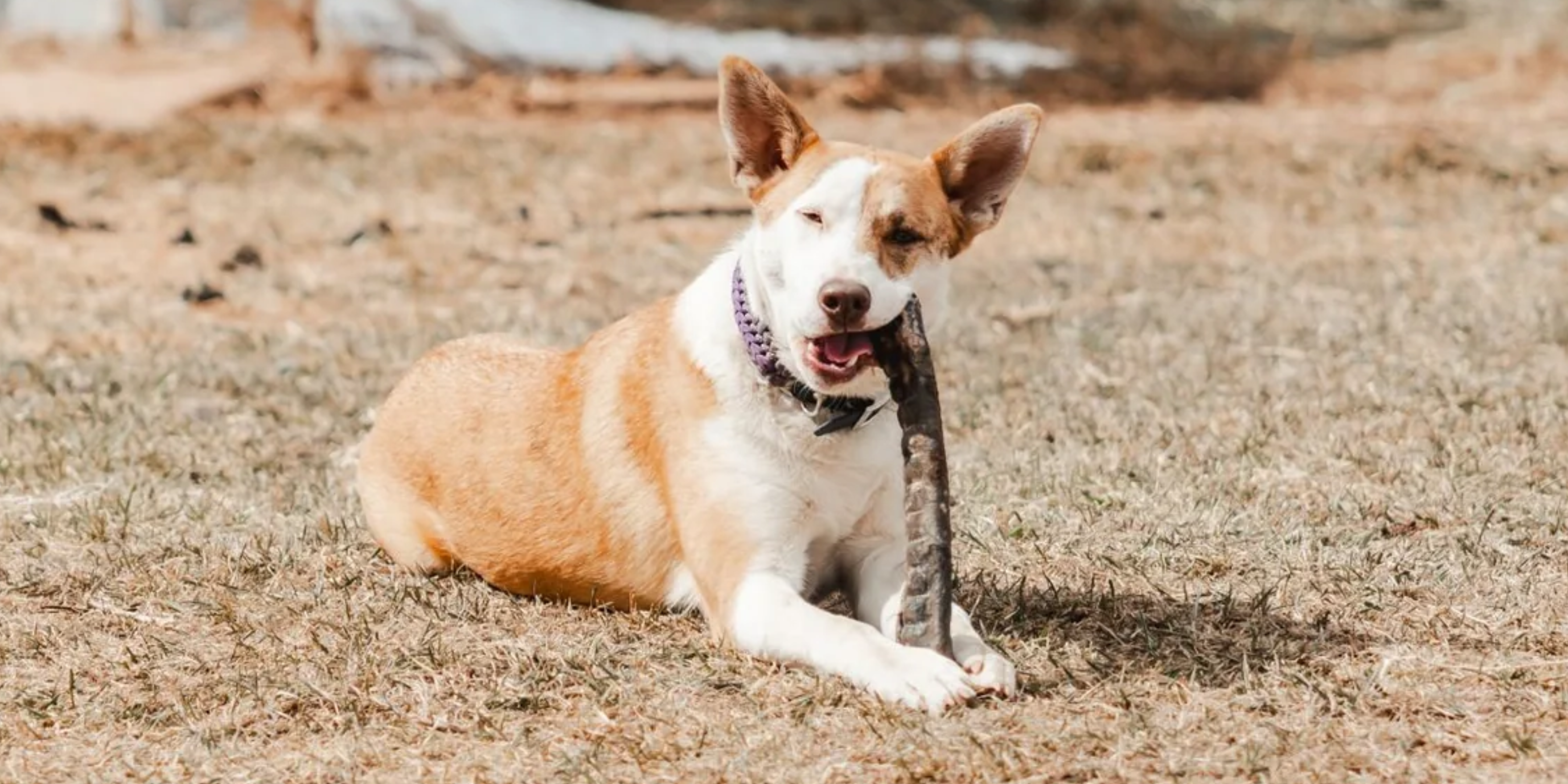
Our dogs will take any chew with enthusiasm, without understanding the difference in what they are provided, especially when we consider beef hide vs rawhide options. That is why having the right chew is much more important than even the majority of pet parents are aware of. Go out to any pet store or go online, and very soon you will see terms such as beef hide used nearly synonymously with rawhide. This brings about a very valid question, of course: Is Beef hide raw hide, or are the two really different when it comes to the safety and pleasure of your dog?
In UglyChews, we constantly talk to dog owners who desire natural and long-term treats but are confused by the labelling and contradicting information. It is said that all hide chews are alike, and some will go so far as to never touch them without knowing how sourcing and preparation make all the difference. The reality is in the middle of this, and when you know the correct chew, then it is much easier to pick the correct chew.
Let’s break down the real differences, clear the myths, and help you decide what truly belongs in your dog’s chew routine.
Dog Chews: The Importance of the Difference.
Chewing is not only an activity that dogs enjoy but also helps them keep their teeth healthy, helps them fight boredom, alleviates anxiety, and fulfills instincts. The chews are not all processed equally, though. Knowing if 'beefhide' and 'rawhide' are the same thing helps pet owners avoid low-quality products and choose safer, longer-lasting alternatives.
At UglyChews, we believe transparency matters. That’s why understanding ingredients and processing methods is essential before handing any chew to your furry companion.
What Is Rawhide?
Rawhide is harvested from the inner part of an animal's hide, usually from cattle. Once the outer part is extracted to produce leather, the other part is washed, processed, hammered, and moulded into chews.
How Rawhide Is Typically Processed
- Hides are soaked and cleaned.
- Hair and fat layers are removed.
- Sheets are chemically or mechanically treated.
- The material is shaped into bones, rolls, or twists.
While rawhide can last long during chewing, heavy processing may reduce digestibility depending on manufacturing quality.
What Is Beef Hide?
Beef hide is specifically cow-skin chews, yet the distinction is in the level of minimal or natural processing of the product. The beef-hide chews that are of high quality emphasise conservation of the original structure of the hide rather than subjecting it to extreme modification.
At Ugly Chews, our snacks focus on natural drying techniques and thorough processing to ensure longevity and higher digestibility.

Why Beef Hide Appeals to Dog Owners
- Naturally rich in protein
- Longer chewing engagement
- Supports dental scraping action
- Often less processed when responsibly produced
Beef Hide vs Rawhide: Key Differences in the beef hide vs rawhide Debate
- Processing Method: Rawhide is often heavily treated to achieve uniform shapes and colors. Beef hide chews, especially premium ones like ours, aim for minimal processing.
- Digestibility: Naturally processed beef hide is likely to become soft during chewing, which is less difficult to digest by dogs than over-packed rawhide products.
- Ingredient Transparency: Many rawhide chews focus on appearance. Beef hide chews prioritise natural texture and function.
- Nutritional Value: Beef hide retains more natural proteins when processing is limited.
- Chewing Experience: Dogs like beef hide because of its natural smell and taste.
Why Ugly Chews Chooses Beef Hide Treats
At Ugly Chews, our philosophy is simple: dogs deserve chews that are honest, durable, and thoughtfully prepared.
Our beef-hide treats are crafted to:
- Encourage healthy chewing habits
- Support cleaner teeth naturally
- Provide long-lasting engagement
- Avoid unnecessary additives or artificial enhancements
How to Choose the Right Hide Chew for Your Dog
- Consider Your Dog’s Size: Larger dogs need thicker chews to prevent quick swallowing.
- Observe Chewing Style: Aggressive chewers benefit from dense beef hide textures.
- Check Ingredient Simplicity: Fewer ingredients usually indicate less processing.
- Supervise Chewing: Always monitor your dog during chew time, regardless of product type.
Choosing wisely ensures chewing remains a healthy activity rather than a risk.
Common Misconceptions About Beef Hide and Rawhide
Many assume all hide chews are identical, but production quality varies widely across brands. The real question isn’t only whether beef hide is rawhide – it's how the chew was made. Natural preparation methods create safer and more enjoyable chewing experiences compared to heavily altered alternatives.
Choosing Smarter Chews for Happier Dogs
The debate around beef hide vs raw hide often comes from misunderstanding rather than facts. While both originate from animal hide, processing quality transforms the final product dramatically.
At Ugly Chews, we focus on creating treats that respect a dog’s natural chewing instincts while giving pet parents confidence in what they’re offering. When you understand the difference between beef hide and rawhide, choosing the right chew becomes simple, and your dog enjoys every moment of it. Because in the end, a great chew isn’t about appearance; it's about trust, quality, and tails that keep wagging.
FAQ Section
Is beef hide rawhide?
Most of the rawhide items are made of the same animal as beef hide, although they are not necessarily identical. The distinction is mostly in the methods of processing. The beef hide chews of Ugly Chews are minimally processed, which preserves more of the natural qualities.
Is beef hide and rawhide the same thing for dogs?
They are related but not identical. 'Rawhide' refers broadly to processed hide products, while 'beef hide' often indicates a more natural cattle-based chew depending on manufacturing practices.
Are beef hide chews good for dental health?
Yes. The chewing action helps reduce plaque buildup by mechanically scraping teeth while keeping dogs mentally stimulated.
Is beef hide the same as raw hide in terms of safety?
Safety depends on preparation quality. Properly prepared beef hide chews are generally easier for dogs to chew and soften gradually, making supervision and sourcing important factors.


