

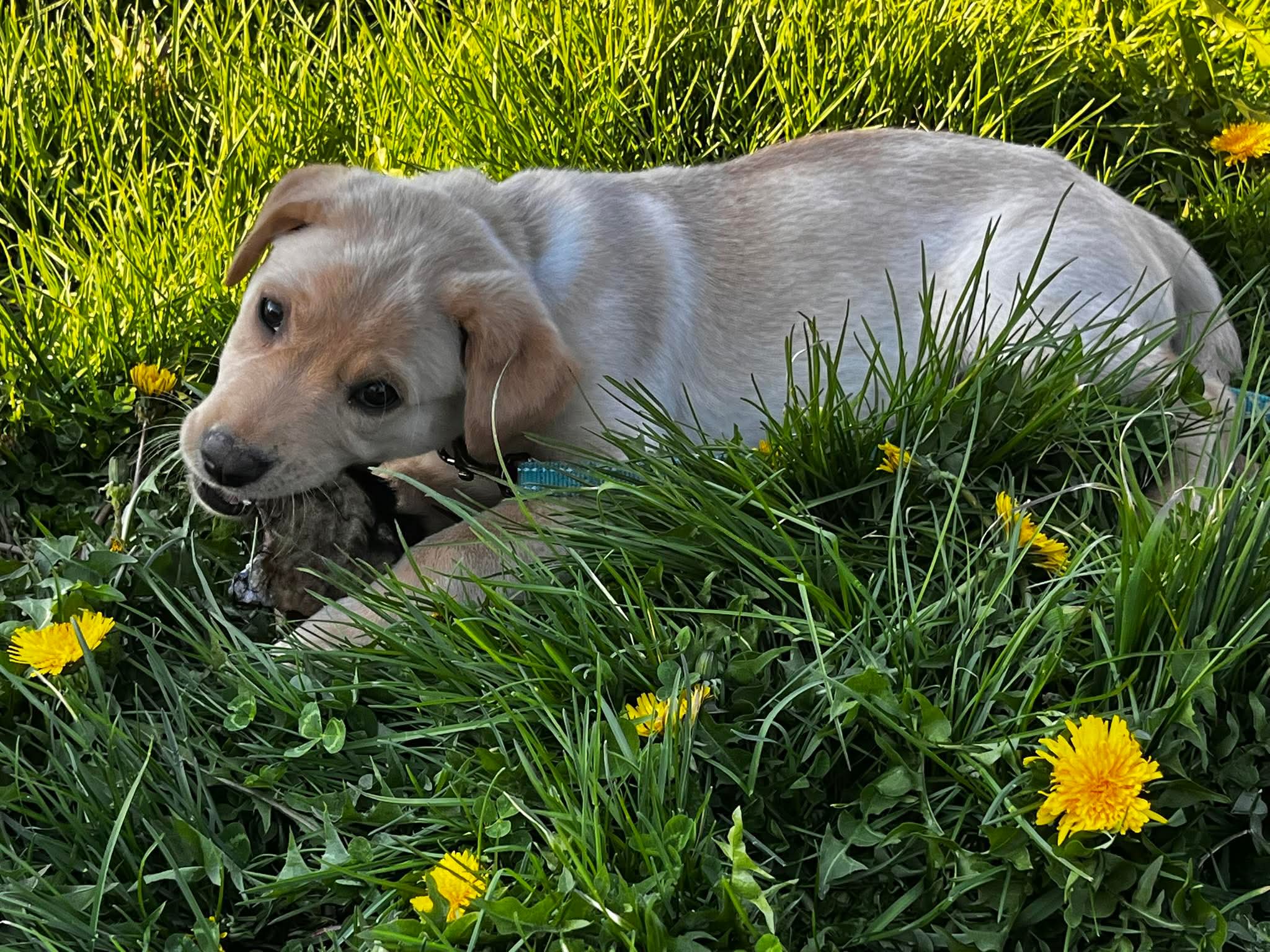
Walk into any pet store and you'll see a wall of rawhide. Understanding rawhide vs beef hide can be confusing. Twisted, knotted, white, brown, beef-flavored, chicken-flavored. It's been the default chew aisle for forty years.
Most of it doesn't deserve to be there.
Here's the actual difference between standard rawhide and natural beef hide. It matters for what ends up inside your dog.
Rawhide vs beef hide: understanding why rawhide is a process, not an ingredient
The word "rawhide" suggests raw hide, animal skin, minimally processed, dried for chewing. That's not what's in most bags.
Standard industrial rawhide production looks like this:
- Hides get soaked in chemical baths (lime, sodium sulfide) to strip hair and fat.
- They're degreased — often with detergents.
- Most are bleached with hydrogen peroxide or chlorine to get that white color.
- They're glued, pressed, or knotted into shapes. The "rolls" you see are sometimes held together with adhesive.
- They're dyed, flavored, and coated with preservatives so they don't mold on the shelf.
A 2017 FDA report flagged contamination concerns in imported rawhide. None of this processing is on the label. "Processing aids" don't have to be disclosed under current pet food rules.
What's in an Ugly Chew
One ingredient: beef hide.
Hides come from Bar W Beef in Nephi, Utah. They travel to our facility in Evanston, Wyoming, where they're slowly dried in temperature-controlled rooms with fans and dehumidifiers. No chemicals, no preservatives, no bleach, no glue.
That's the whole process. The "hair on" version of our chews (here's why we leave the hair on) has the hair still attached. We don't strip it. The Chips, Chunks & Scraps bag is exactly what it sounds like. They're smaller pieces from the same hides. They're bagged for affordability. Otherwise, they'd be thrown out.
Why the difference matters
A chew lives in your dog's mouth and digestive tract for hours. Whatever's on it ends up in them. Stack a few chews a week over a dog's lifetime. The difference between "processed industrial product" and "one-ingredient food" compounds.
What you tend to see with rawhide: digestive upset. The chemicals are hard on the gut. There's choking and obstruction risk. Glued or pressed rawhide can break off in pieces. These pieces don't break down in the stomach. Contamination is also common. FDA recalls on rawhide are routine, look them up.
What you tend to see with natural hair-on hide: it digests cleanly. Dogs are drawn to the real scent rather than artificial flavoring. There's no chemical residue because there's no chemicals to begin with.
FAQ
Is rawhide bad for dogs?
Standard processed rawhide carries real risks — chemical residue, choking, obstruction, and digestive upset. Many veterinarians now recommend against it. Natural beef hide without processing is a different product and carries far fewer of these risks.
What's the difference between rawhide and beef hide?
Rawhide is typically a multi-step chemical process: bleached, glued, dyed, flavored. Natural beef hide is dried hide with no chemical processing. Ugly Chews are natural beef hide.
Are Ugly Chews safer than rawhide?
We can't make medical claims, but our chews are single-ingredient and contain no bleach, glue, dyes, flavoring, or preservatives. That's a meaningful difference from standard rawhide.
Make the switch
If your dog has chewed rawhide for years, the move to natural beef hide is usually a smooth one. The Sample Bundle lets you try a few different formats without committing to a single SKU.
For dedicated chewers, the Hair-On Hide Rolls are the most rawhide-like format we make. They have the same shape, with a completely different ingredient list.


