

All dog owners are familiar with the time of the excited eyes looking through the kitchen window or the wagging tail when a chew treat is in sight. Raising our dogs is not just another procedure to feed and treat them, but it is the way we demonstrate our love, construct trust, and promote their overall well-being over time. We believe that all dogs should eat well at Ugly Chews.
In this guide, we explore how to cook beef chunks for dogs in the right way and break down important questions.
Cooking Beef for Dogs: What Actually Matters
It is easy to cook beef to give to your dog; however, there are some differences between what makes a really good treat and one that might cause trouble.
-
Keep It Plain:
Dogs do not need seasoning. Most of the common cooking herbs, including garlic, onion, and salt, are toxic or irritating to dogs to different extents. What you are seeking is plain beef boiled or pan-cooked without anything added. The taste of actual meat is already too much to keep your dog occupied.
-
Choose the Right Cut:
Lean cuts work better than fatty ones for regular treat use. The large amounts of fats can cause stomach upsets or, in the long run, contribute to pancreatitis in dogs that are prone to it. Trim cuts such as chuck, round, and stewing beef go well for everyday choices.
-
Cooking Method Matters:
The easiest and least risky is boiling; it preserves the meat wet, does not need anything added, and the resulting broth can be saved as treats on its own. In case of pan-cooking, add no or a minimal amount of plain coconut oil. Frying should be avoided, and butter should never be used.
After cooking, chop it up into small cubes that would suit your pet. Keep refrigerated for no more than two hours and use within three days, or freeze in portion-sized packages and keep for up to three months.
Chew Chips vs Cooked Beef: What's the Difference?
Cooked beef feeds your dog. A chew chip for dogs does something else entirely, and that distinction is worth understanding before you reach for either one.
A chew chip made from whole, natural beef hide keeps a dog occupied and supports dental health through mechanical chewing. It also delivers a calming effect that cooked meat simply does not produce in the same way. The act of sustained chewing itself is what triggers those serotonin and dopamine releases that help dogs settle and self-regulate.
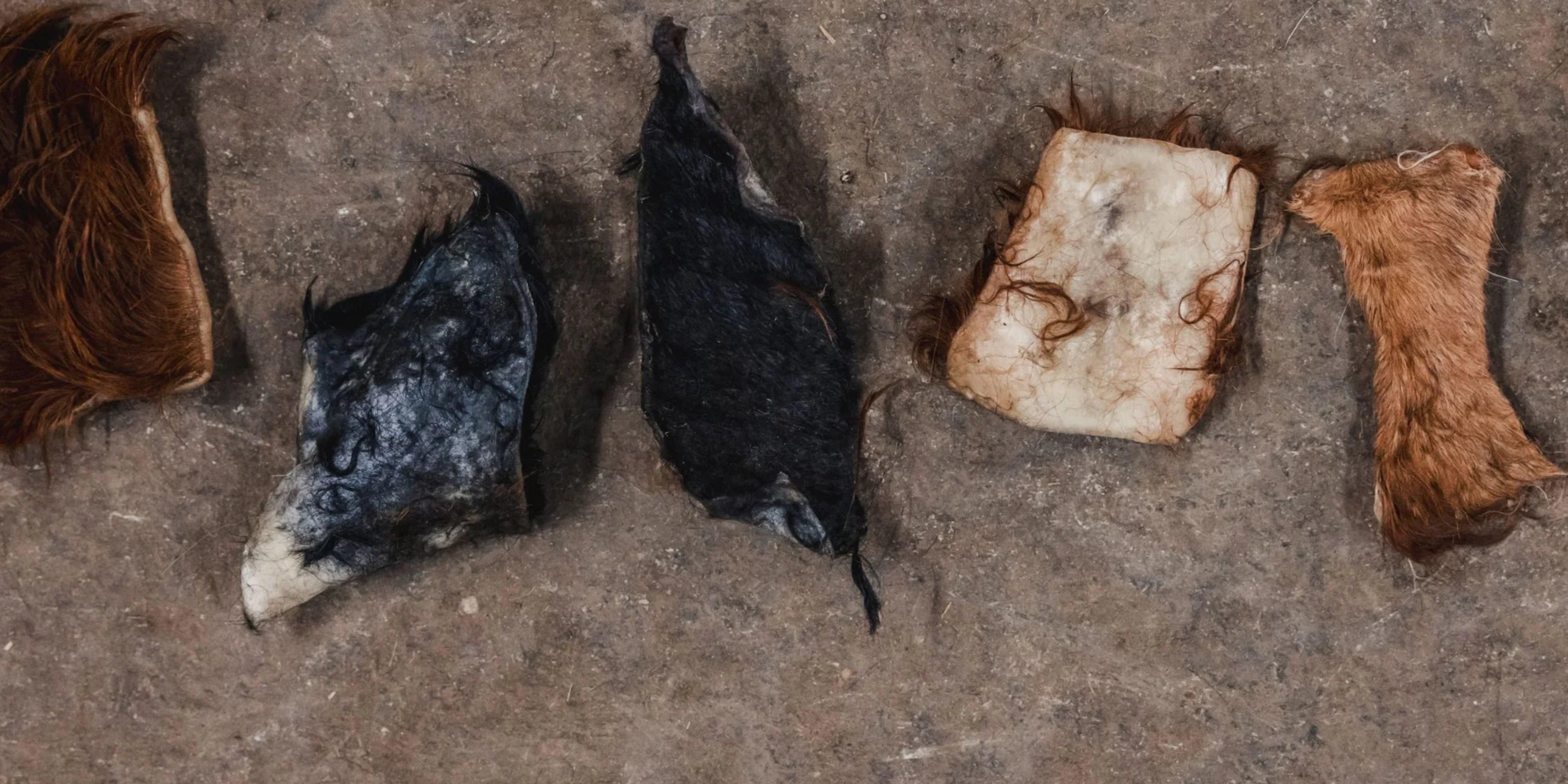
Ugly Chews Chips, Chunks, and Scraps are cut from the same whole, untreated beef hide as our rolls, sourced from local ranches in Wyoming, Utah, and Idaho. They are cleaned with water only, hand-cut, and sun-dried using natural UV exposure. No bleach, no chemical preservatives, no artificial anything. The irregular shapes are a direct result of our zero-waste approach. Every usable scrap becomes something your dog genuinely wants to chew.
How to Select Safer Chew Chips
Not all chew chips are made the same way, and the differences matter. Here is what to look at before buying.
-
Thickness Over Thinness:
Thin, brittle chips break into sharp fragments more easily. A thicker chip cut from the whole hide. Rather than a split, a thinned layer softens and compresses under chewing instead of shattering. That texture difference is one of the most practical safety distinctions in the chew category.
-
Ingredient Transparency:
A good chew chip has one ingredient. If the product lists preservatives, colour additives, or flavour enhancers, those are signals that the base product needed help to be appealing, which usually means the base product is not particularly good. Real, whole beef hide does not need any of that.
-
Size for Your Dog:
Chips should not be small enough to swallow whole. For smaller dogs, smaller pieces are appropriate. But the rule holds: if it fits entirely in the mouth without resistance, it is too small. Supervise sessions and take the chip away once it reduces to a size that could be swallowed in one go.
Conclusion
Cooked beef and chew chips each have their place in a dog's life: one as a wholesome food treat and the other as purposeful enrichment. Getting both right means paying attention to what goes in and what has been left out.
At Ugly Chews, our chips, chunks, and scraps exist because good hides shouldn't go to waste, and dogs earn a commodity to bite on. Visit our site to explore our full range and find the right size and format for your doggy. Because a happy chewer is a settled, healthier canine.
FAQ
How to cook beef chunks for dogs?
Cook beef chunks by boiling or stewing spare beef without seasoning. Ensure the meat is completely cooked, cooled, and served in small portions appropriate for your canine’s size. Avoid spices, salt, onions, or oils, as these can harm doggies.
Are rawhide chips good for dogs?
Rawhide chips can give biting satisfaction and dental benefits when sourced and reused responsibly. They should always be given under supervision and chosen according to your dog’s chewing strength and size to minimise pitfalls.
Are thick rawhide chips safer?
Thicker rawhide chips are generally considered safer because they last longer and reduce the chance of dogs swallowing large pieces snappily. Still, safety depends on quality manufacturing and proper supervision during chewing.
How much for a chip for a dog?
The right quantity depends on your dog’s size and chewing habits. Generally, one moderately sized chew chip at a time is enough. Treat chews as occasional enrichment rather than daily calorie sources, and cover consumption to avoid overeating.


